U.S. and Iran agree roadmap for nuclear deal in Switzerland
U.S. and Iran set a 60-day roadmap in Switzerland, but the deal still hinged on nuclear limits, sanctions relief and de-confliction in Lebanon and the Strait of Hormuz.
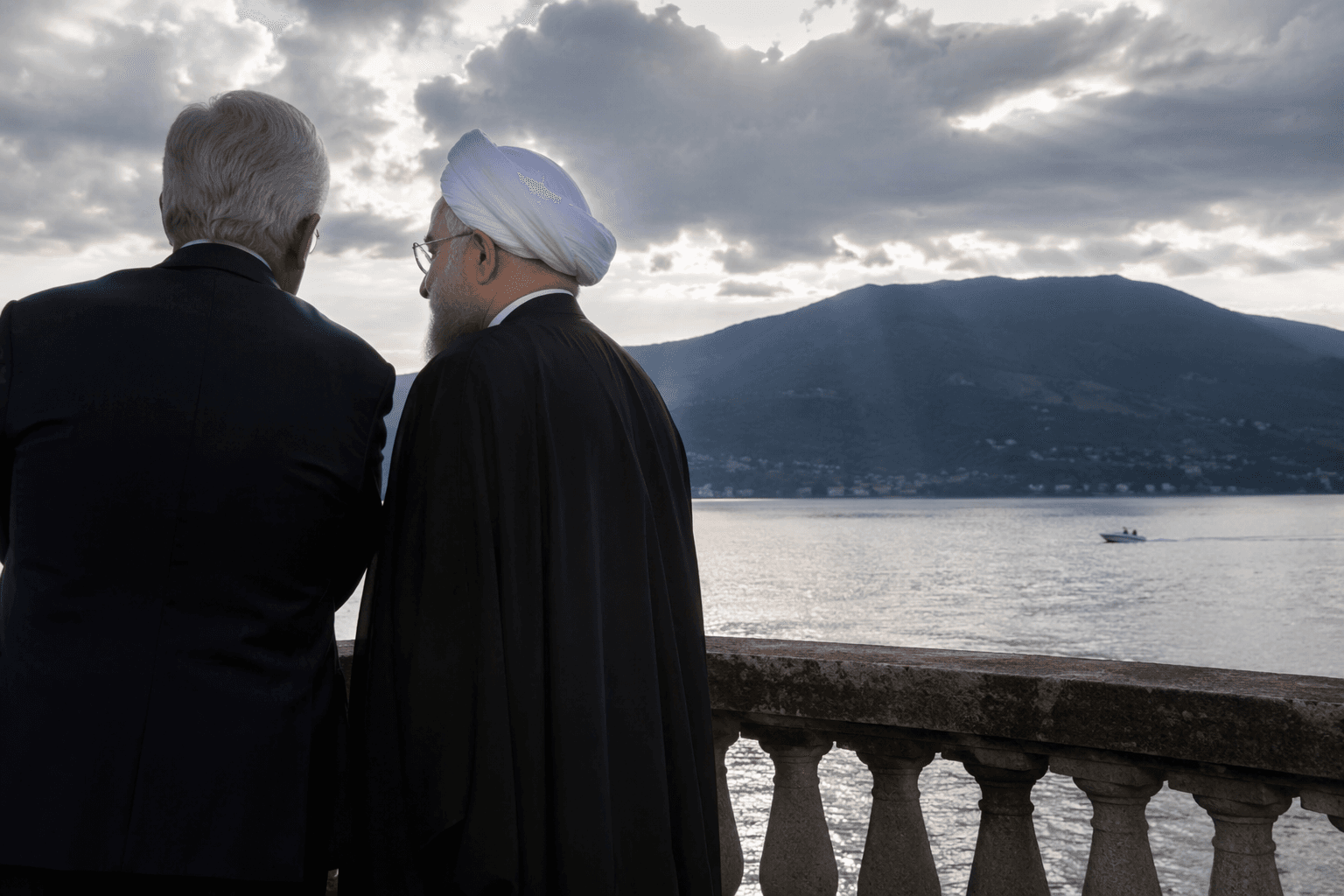
A roadmap for a final deal gave the U.S.-Iran talks in Switzerland their first concrete shape, but it also started a 60-day clock that left little room for error. Mediators from Qatar and Pakistan said the sides agreed to immediate technical talks, a High-Level Committee to oversee the process, and working groups on nuclear issues, sanctions and dispute resolution.
The first round of high-level negotiations took place at the Bürgenstock resort near Lucerne, with talks stretching into the night and into Monday. The delegations were led by U.S. Vice President JD Vance on the American side and Foreign Minister Abbas Araghchi on the Iranian side, with Steve Witkoff and Jared Kushner also present for Washington and parliamentary speaker Mohammad Bagher Qalibaf joining the Iranian team. Rafael Grossi, the head of the International Atomic Energy Agency, was also reported to be attending.
The joint mediator statement said the sides also agreed to a de-confliction mechanism involving the United States, Iran and Lebanon, aimed at ending military hostilities there and avoiding incidents in the Strait of Hormuz. That detail underscored how far the talks had moved beyond Iran’s nuclear program alone: the negotiating table was now carrying sanctions relief, regional security and maritime risk in the same package.
Araghchi said there had been “major progress” and claimed Tehran had secured waivers for oil and petrochemical exports, the lifting of a blockade on its ports, the release of some frozen assets and a reconstruction and development plan. Those concessions, if they hold, would carry immediate economic and political consequences inside Iran, where sanctions have helped deepen pressure on households, wages and public services. But the same breadth that makes the package ambitious also makes it fragile, because each element can be challenged by different power centers in both capitals.
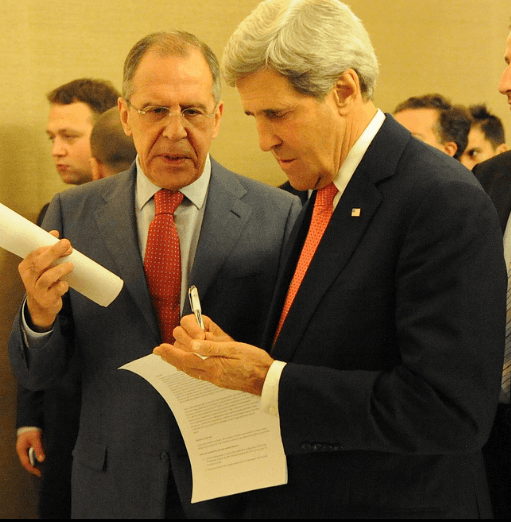
The talks built on a memorandum of understanding signed the previous week, and the agreement was framed as an attempt to stop a wider Middle East conflict from spilling further across borders. That urgency was sharpened by President Donald Trump’s threat of renewed strikes if the deal faltered and by warnings from the Iranian military that it was ready to respond. With hard deadlines now attached to nuclear limits, sanctions relief and regional security, the next 60 days will test whether diplomacy can produce enforceable commitments before spoilers in Washington and Tehran blow the process apart.
This article was produced by Prism’s automated news system from verified source data, official records, and press releases, then run through automated quality and moderation checks before publishing. The system is built and supervised by the people who set the standards it runs under. Read our full AI policy.
Know something we missed? Have a correction or additional information?
Submit a Tip