Brazil tightens rules for Google, Meta and TikTok over illegal content
Brazil put Google, Meta and TikTok on notice, tightening liability for illegal posts after a Supreme Court ruling made platforms civilly responsible in key cases.

Brazil has moved to make its biggest platforms answer more directly for illegal user content, escalating a global fight over who is responsible when harmful posts spread online. President Luiz Inácio Lula da Silva signed two decrees on May 20, 2026, that tighten the rules for Google, Meta and TikTok and give regulators new tools to probe how the companies respond to complaints and court orders.
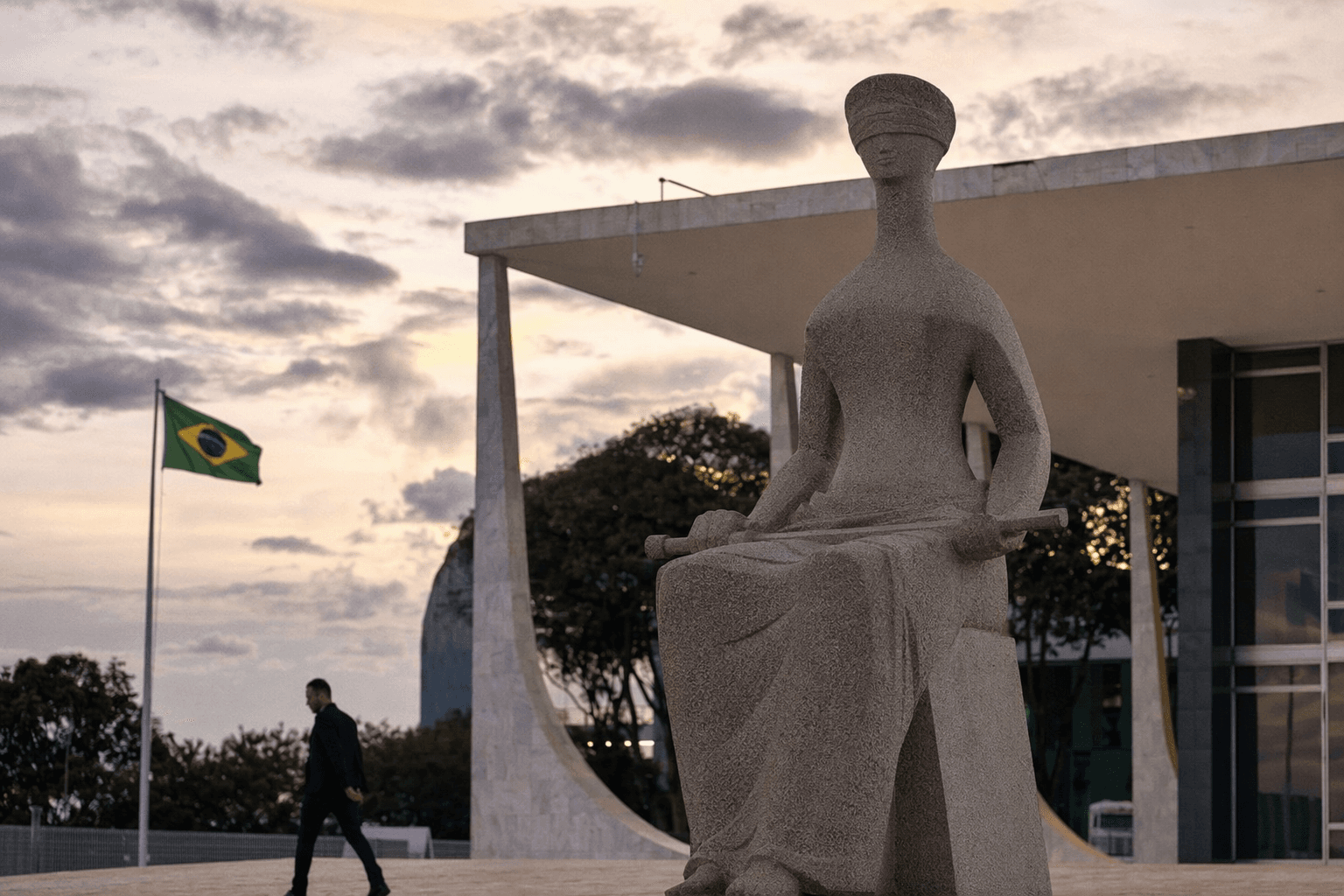
The first decree aligns government rules with a June 26, 2025 ruling from Brazil’s Supreme Federal Court, which voted 8-3 to strike down Article 19 of the Internet Civil Rights Framework as unconstitutional. Under that decision, platforms can be held civilly liable for user posts until Congress passes a new law. The court also set out categories of illegal content that must be removed after extrajudicial notice, including anti-democratic acts, terrorism, incitement to suicide and self-harm, discrimination, crimes against women, child pornography and human trafficking.
Lula’s decrees push that ruling into day-to-day enforcement. The government said platforms must analyze complaints and remove criminal content immediately while notifying the person responsible. Possible penalties for noncompliance include warnings, fines and temporary suspension. One decree also empowers the National Data Protection Agency, or ANPD, to investigate how platforms respond in these cases, extending the agency’s role beyond privacy into broader digital oversight.
The second decree focuses on protecting women in the digital environment, reflecting Brazil’s wider effort to confront misogyny online, coordinated attacks on women and the spread of AI-generated intimate content involving women. Together, the measures broaden the debate from simple takedowns to institutional accountability, forcing platforms to show not just that they can delete posts, but that they can document how they moderate, investigate and escalate illegal content.
Patricia Peck, a council member of Brazil’s Data Protection Authority, said Brazil is taking a “side road” because Congress has not passed specific platform-liability legislation. That legislative stalemate has left Lula relying on executive action to turn judicial principles into enforcement.
The stakes go beyond Brazil. Governments from the United States to the European Union are revisiting intermediary liability, free speech and platform enforcement as they wrestle with misinformation, fraud and online violence. Brazil’s move is especially consequential because it combines direct liability, administrative oversight and a broader definition of online harm, from scams and digital fraud to violence against women. With the ANPD already expanding its role under Brazil’s Digital ECA child-safety framework, the country is building a tougher enforcement architecture for the next phase of platform regulation.
Know something we missed? Have a correction or additional information?
Submit a Tip