Breadtopia’s Sourdough Tutorials: Shaping, Scoring, Proofing, Open Crumb, Blistered Crusts
Breadtopia offers hands-on tutorials and videos showing shaping, scoring, proofing, and baking techniques to help home bakers achieve open crumb and blistered crusts.
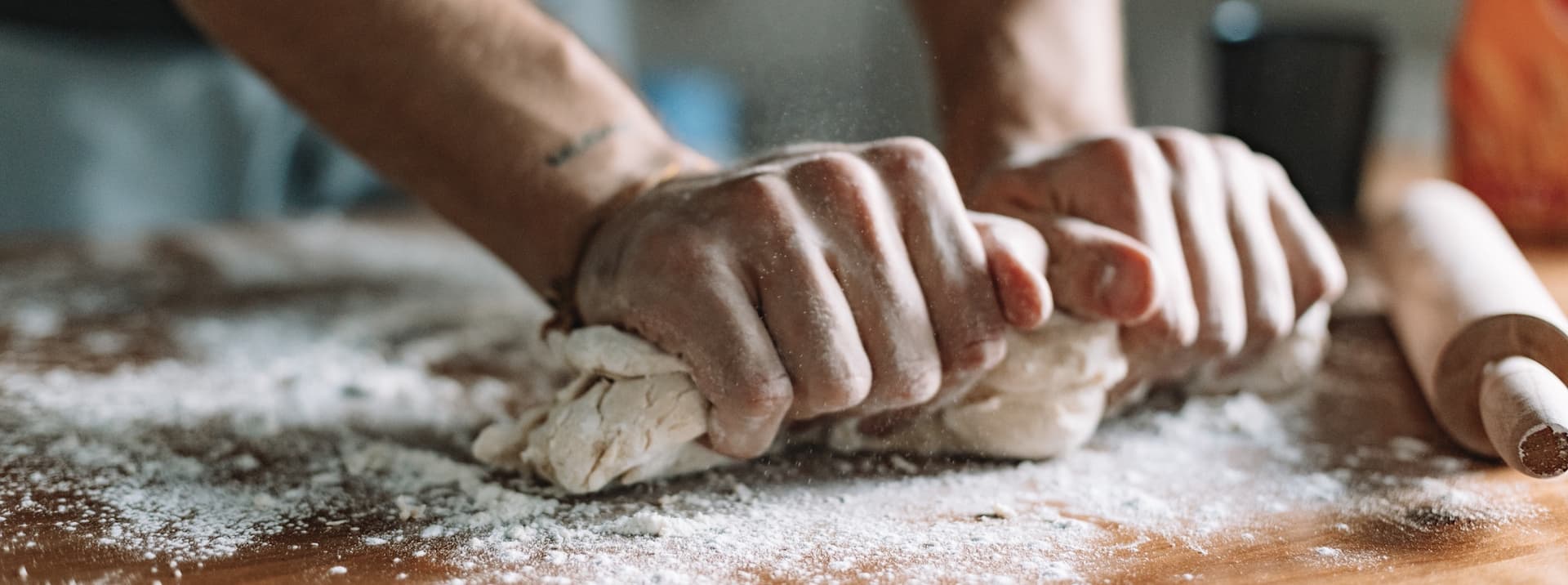
Breadtopia’s tutorials lay out practical, workshop-style instruction for the essential bread moves that separate good loaves from great ones. The site presents step-by-step demos for shaping boules and batards, scoring patterns and the why behind each cut, banneton proofing techniques, and a range of oven approaches including Dutch oven baking, baking stone use, and steam strategies that promote blistered crusts.
Shaping coverage focuses on building surface tension and achieving consistent seams so loaves hold their shape during final proof and oven spring. The tutorials show hand positions and motion for a tight boule versus a slashed batard, and explain how gentle handling preserves interior structure. Proofing basket instruction covers floured and linen-lined bannetons, orientation for transferring to the peel or Dutch oven, and tips to manage stickiness without overflouring the dough surface.
Scoring sections explain scoring as both functional and aesthetic. Different patterns are tied to outcomes: a single long slash for controlled bloom, multiple ears for decorative lift, and shallow versus deeper cuts for different oven springs. The scoring rationale helps bakers choose patterns that steer expansion and reveal crumb structure without relying on luck.
Baking technique lessons compare the Dutch oven method, which traps steam to set crust and encourage oven spring, with baking on a stone paired with added steam techniques like preheated steam trays or judicious spraying. The materials emphasize how steam management affects crust color and blistering. Recipes aimed at home bakers include workable hydration ranges and shaping-friendly formulas so readers can practice without industrial equipment.
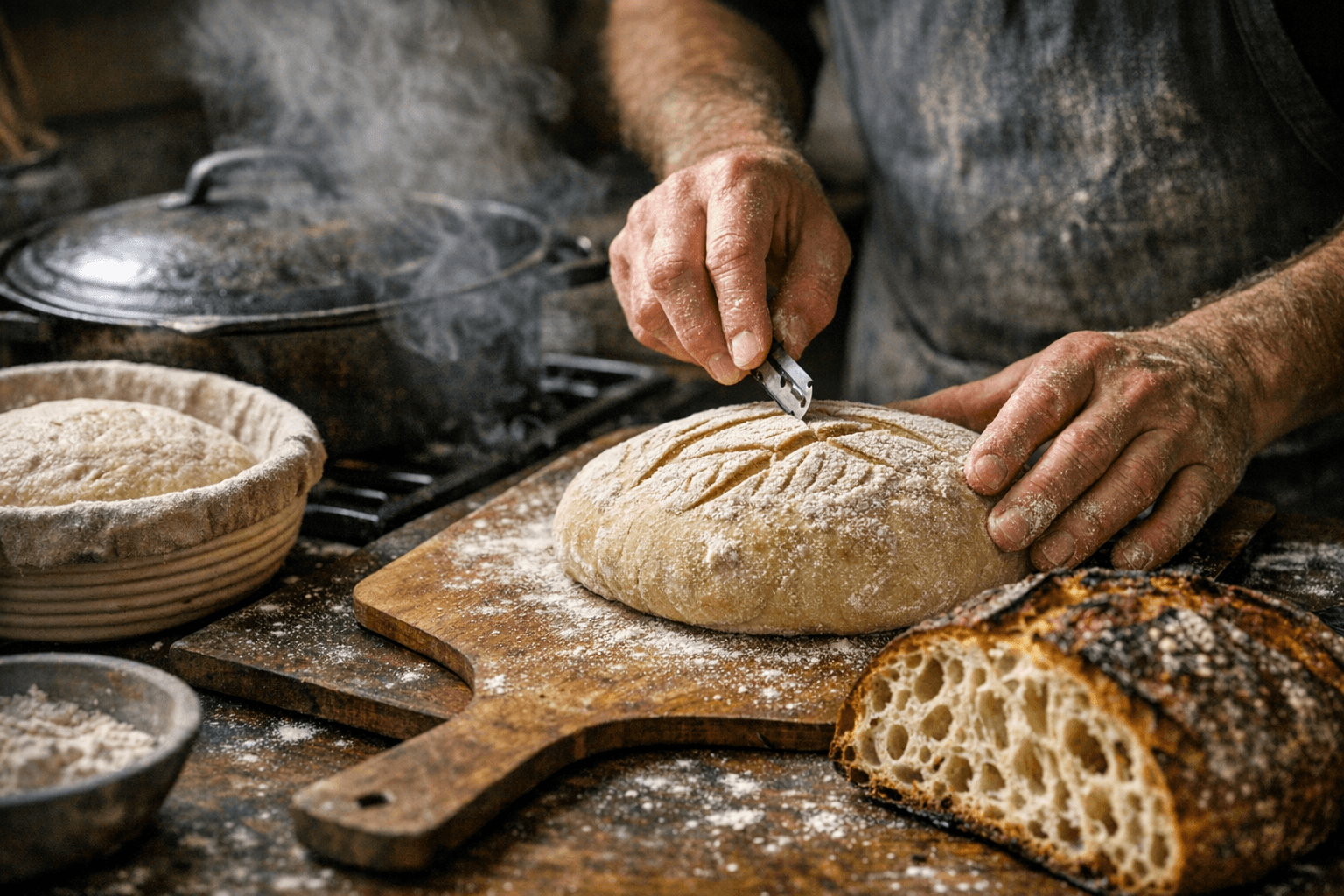
Open crumb is treated as a sequence of choices: adequate fermentation, minimal degassing at shaping, appropriate hydration, and well-timed folds to develop strength without tightening the dough. The tutorials translate that sequence into tangible steps to experiment with hydration and fold frequency. Blistered crusts are presented as the payoff for strong fermentation, high heat, and focused steam early in the bake.
Troubleshooting sections address common fermentation and oven issues. Tight, dense crumb is linked to underfermentation or overhandling; collapsed loaves indicate overproofing or weak structure. Dull crusts often trace back to insufficient steam or low surface sugars. Practical fixes are given so bakers can iterate batch to batch.
For community bakers this is hands-on instruction you can put into practice tonight: pick a shaping demo, try a scoring pattern, and test a Dutch oven roast versus stone and steam. With focused practice and simple adjustments readers can expect more reliable oven spring, a more open crumb, and the blistered crust that signals time well spent with the starter.
Know something we missed? Have a correction or additional information?
Submit a Tip