Breezm Expands Nationwide with On-Demand, AI-Designed 3D-Printed Eyewear
Breezm expands nationwide in the U.S., offering AI-designed, 3D-printed on-demand eyewear that promises better fit, faster turnaround, and reduced manufacturing waste.
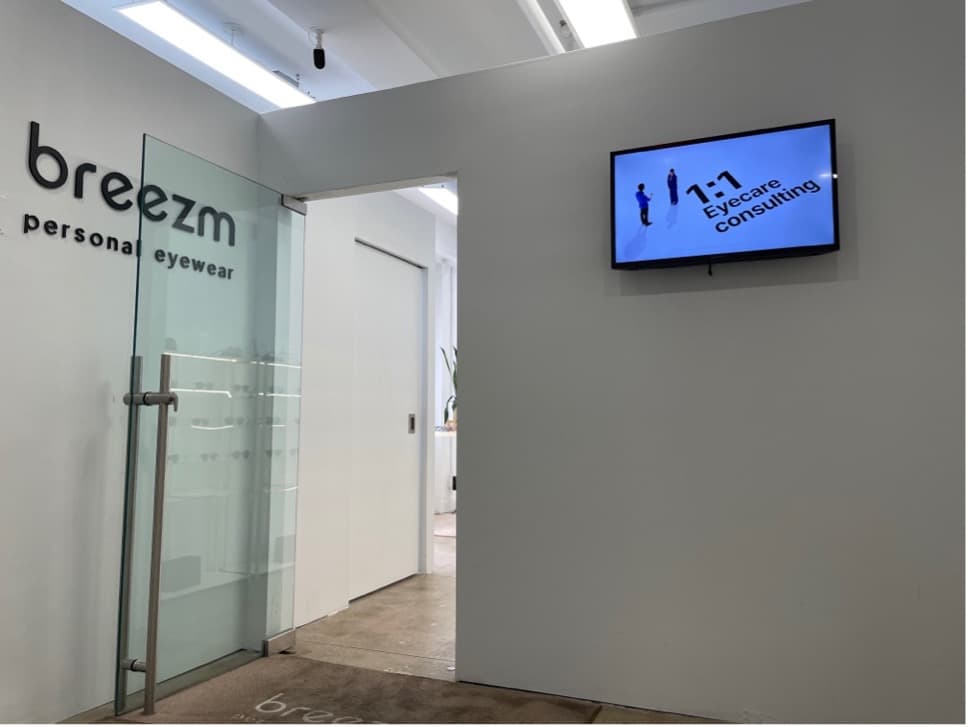
Breezm, a South Korean startup, is rolling out nationwide operations in the United States with an on-demand, AI-driven approach to 3D-printed eyewear. The company’s model replaces traditional tooling and inventory with a scan-to-print workflow that matters to anyone who buys glasses: better fit, faster customization, and less waste.
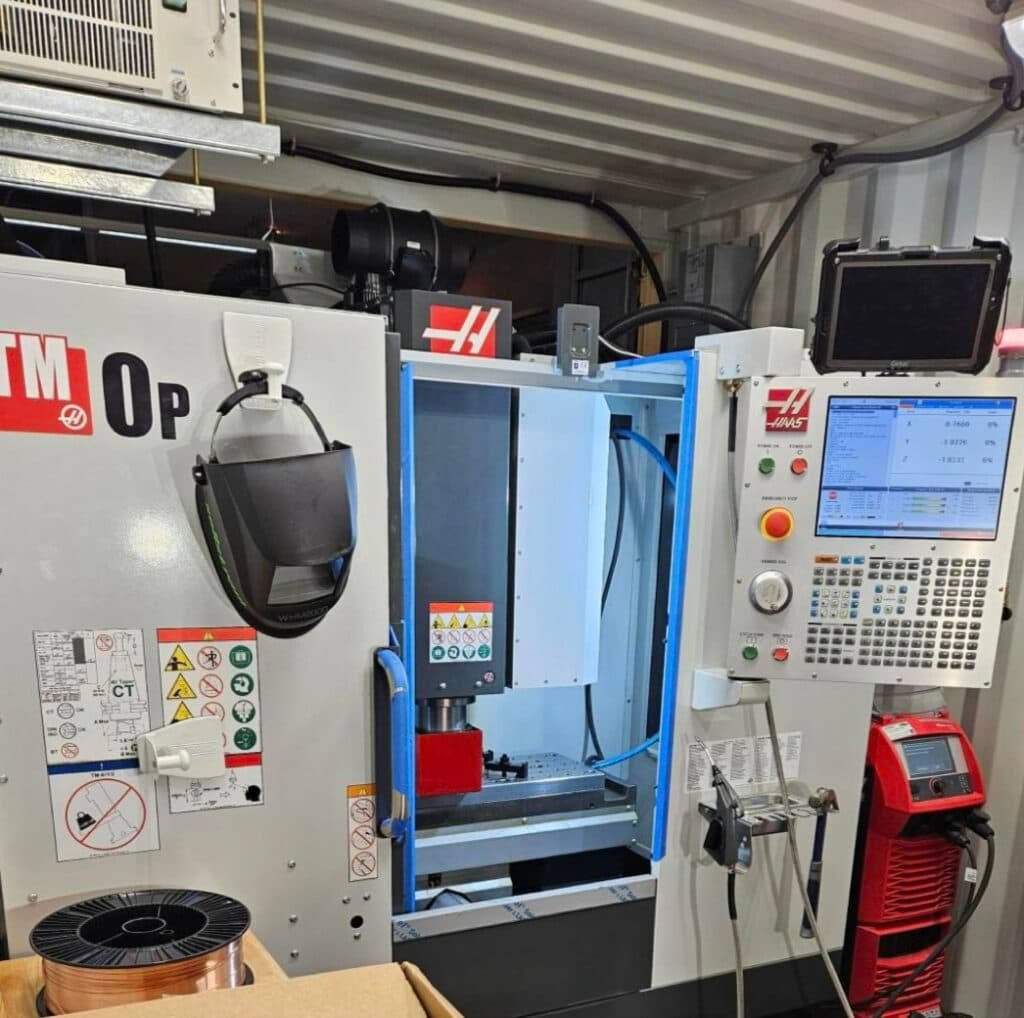
Customers start with a quick facial scan that captures more than 1,200 facial coordinates. Those measurements feed AI-assisted styling that adapts frame geometry to individual proportions, then converts the result into production-ready files. Breezm sends those files to its smart-factory, where powder bed fusion and laser systems produce finished frames. The company uses a mix of EOS and HP printers to handle different colorways and material finishes, and pairs printing with industrial post-processing to meet optical tolerances.
The technical setup positions Breezm as a manufacture-on-demand brand rather than a traditional eyewear house. Removing injection-mold tooling and large inventory runs reduces upfront costs and material waste. For local makers and small labs following the same path, the practical lesson is clear: digital inventory and tool-less production let brands test styles and sizes without risking mass overproduction. For opticians and retail partners, the model can cut return rates by improving fit up front.
Pricing is competitive with other personalized eyewear options, with frames and lenses starting at roughly $258–$298. Turnarounds are built around the company’s store presence and smart-factory operations, enabling rapid customization and regional distribution without the delays of offshore tooling. That logistics mix also gives consumers a try-on touchpoint in store while preserving the economics of centralized digital manufacturing.

Sustainability is a headline for Breezm. The company highlights reduced waste compared with conventional frame manufacturing, since parts are printed to order rather than produced in long runs. For the 3D-printing community, the environmental case reinforces a broader narrative: additive techniques can shrink the supply chain and make personalized wearables more resource-efficient once post-processing and material choices are optimized.
Breezm joins a crowded field of personalized eyewear players, but its emphasis on a full-stack workflow from facial-scanning to PBF production underscores an important trend: 3D printing is moving from prototyping to production for consumer goods that must fit well. That transition creates new opportunities for local labs, retail opticians, and makers who can integrate scanning, AI-driven design, and print post-processing.
For readers, the takeaway is immediate. Expect more local access to made-to-fit frames, faster cycles from scan to spectacle, and pricing that reflects the economics of on-demand production. Watch how returns, supply chain footprints, and design iterations evolve as more brands adopt the same digital-first playbook.
Sources:
Know something we missed? Have a correction or additional information?
Submit a Tip