Brief Meditation May Ease Stress in Just Minutes, Study Finds
Meditation-related brainwave changes may start in 2 to 3 minutes and peak near 7, but the clearest benefits still come from studies with structured practice.

A few minutes of meditation may be enough to nudge the brain toward a calmer state, according to new work in Mindfulness that found meditation-related brainwave changes could begin in about 2 to 3 minutes and peak around 7 minutes. That makes the headline claim more concrete than the usual wellness shorthand, but it also raises the real question for stressed readers: how much relief does a couple of minutes actually buy?
The answer appears to be modest, not miraculous. The new finding fits into a broader literature showing that meditation can affect brain structure, brain function and stress response, while shorter self-guided mindfulness exercises have been tested as practical stress tools in experimental settings. In public-health terms, that matters because stress is not just a personal complaint. The World Health Organization says stress can harm physical and mental health, and that a few minutes each day can be enough to practice some self-help techniques.
That framing helps explain why short meditation has drawn so much attention in the first place. Harvard-affiliated researchers have described meditation as increasingly recommended to reduce stress and anxiety and improve mood and emotional regulation. Still, the evidence is uneven. A 2024 study in Nature Human Behaviour, spread across 37 sites and involving 2,239 participants, found that four single mindfulness exercises reduced short-term self-reported stress more than an active control. Earlier work also tested mindfulness-based stress reduction in an eight-week program with 42 participants and a 25-person control group, showing the field has relied on both quick interventions and longer courses.
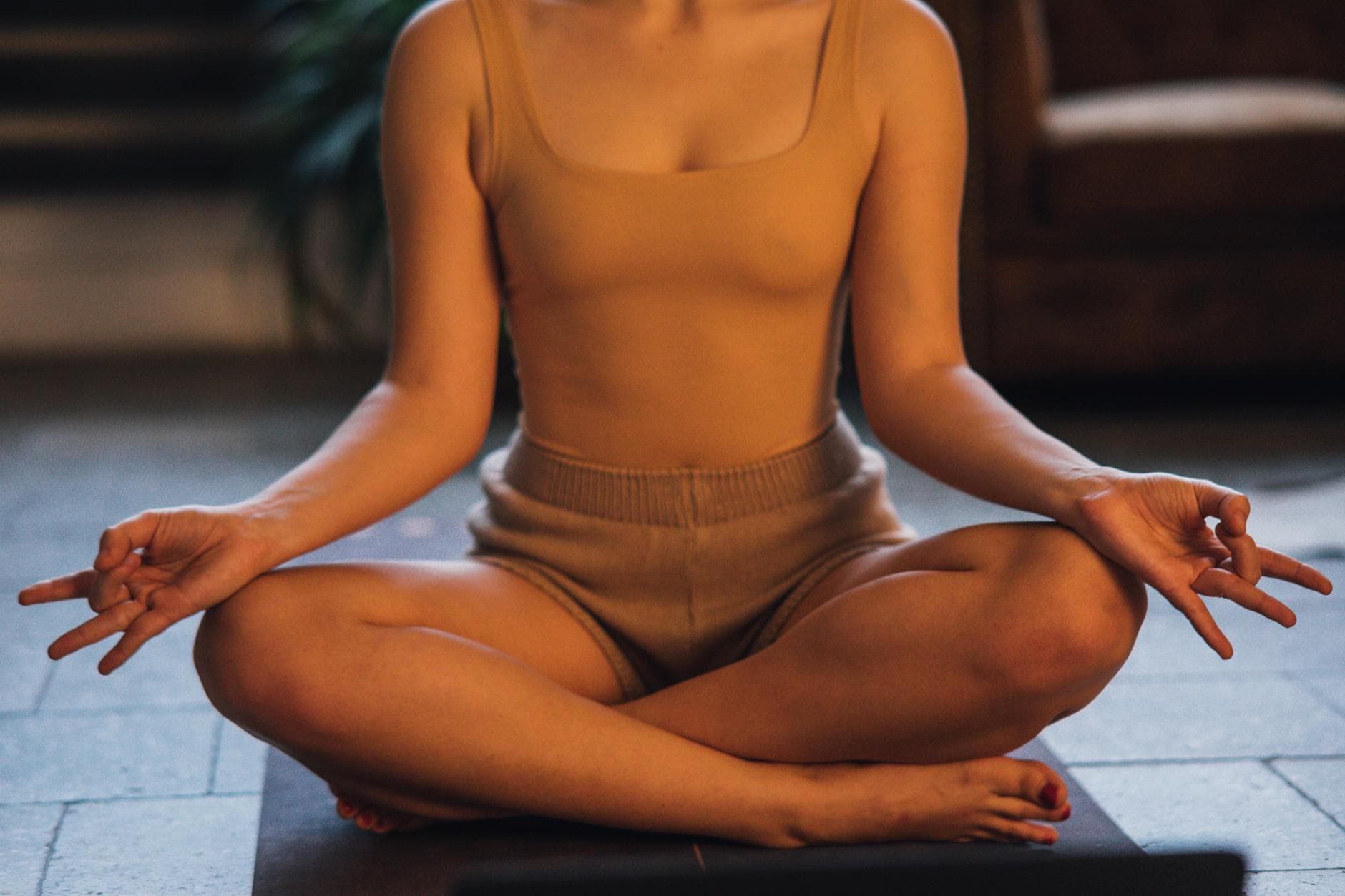
For readers trying to decide what works in real life, that distinction matters. A few minutes of meditation may be useful as a low-cost, low-barrier option, especially for people who cannot commit to a class, an app subscription or a full exercise routine. But the measured benefit is still largely about short-term stress reduction, not a cure for chronic anxiety, burnout or sleep loss. The strongest signals are likely to show up in people who can practice consistently and who respond well to mindfulness-style attention training.
Researchers are also exploring longer-term questions. A 2025 study in Mindfulness reported that advanced Inner Engineering meditators had a lower sleep-based brain age than matched controls, with 34 participants averaging 38 years old and 36% female. The study reported a brain age index of -5.9 years in meditators after adjustment, compared with 8.8 years in a Massachusetts General Hospital mild cognitive impairment group and 10.5 years in a dementia group. That is a different question from immediate stress relief, but it underscores why meditation research now reaches from a two-minute pause to the biology of aging.
This article was produced by Prism’s automated news system from verified source data, official records, and press releases, then run through automated quality and moderation checks before publishing. The system is built and supervised by the people who set the standards it runs under. Read our full AI policy.
Did this article answer your question?