Mother Quits Law Career After Fearing Child's Food Allergies
A former lawyer left her job because she did not trust anyone to keep her five-year-old safe from food allergens, highlighting a costly gap in care.
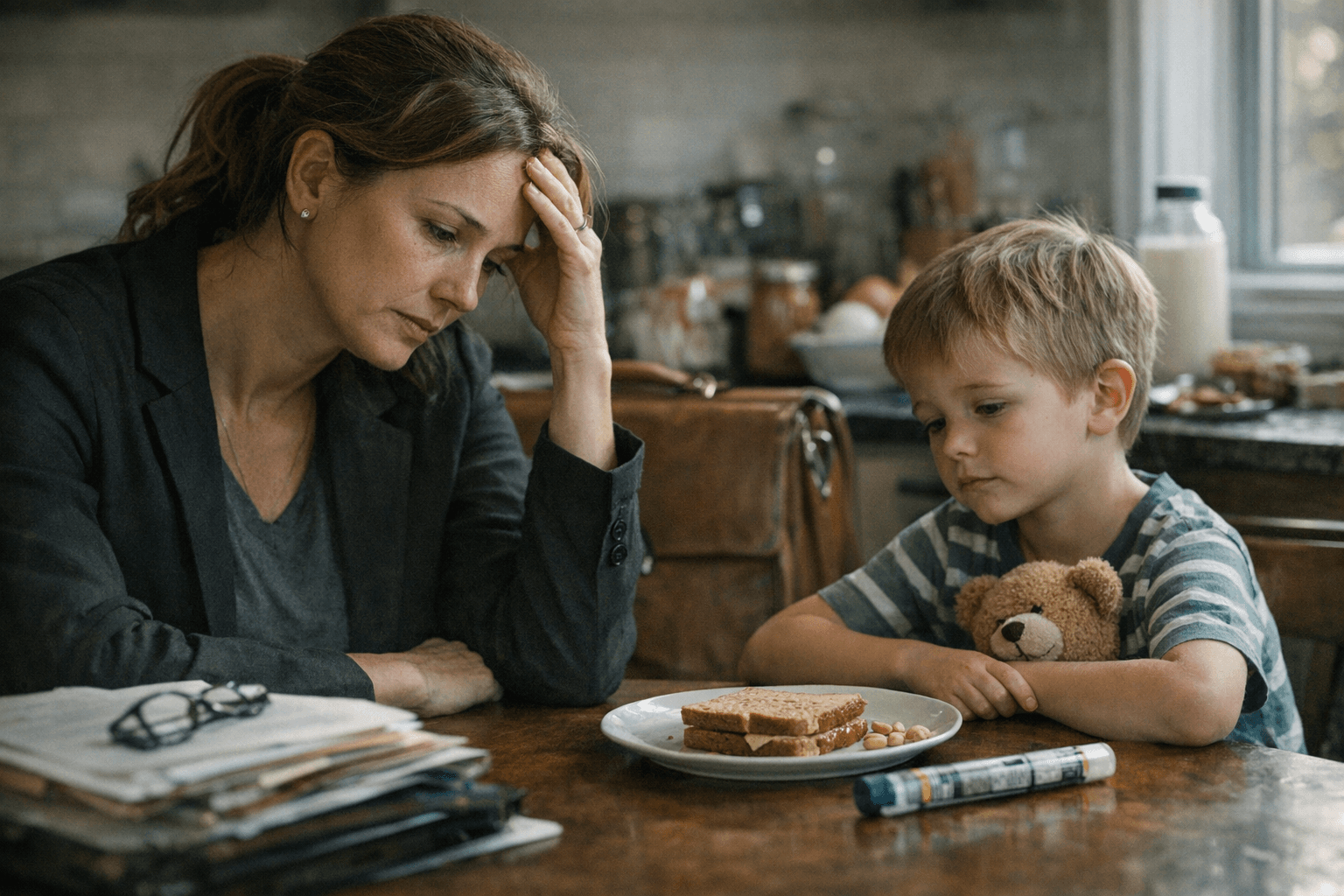
A former lawyer said she “didn’t trust anyone” with her five-year-old’s food allergies, a fear that helped push her out of the workforce and into a round-the-clock caregiving role. Her decision points to a broader problem: when schools, childcare settings and employers cannot reliably protect children with allergies, families often absorb the risk, the stress and the lost income.
Food allergies can be serious and, in severe cases, life-threatening. In the United States, milk, eggs, fish, crustacean shellfish, wheat, soy, peanuts and tree nuts account for most serious allergic reactions, which makes everyday settings especially fraught for parents trying to avoid accidental exposure. That challenge grows sharper in schools and childcare, where meals, snacks, shared surfaces and limited supervision can make full avoidance unrealistic.
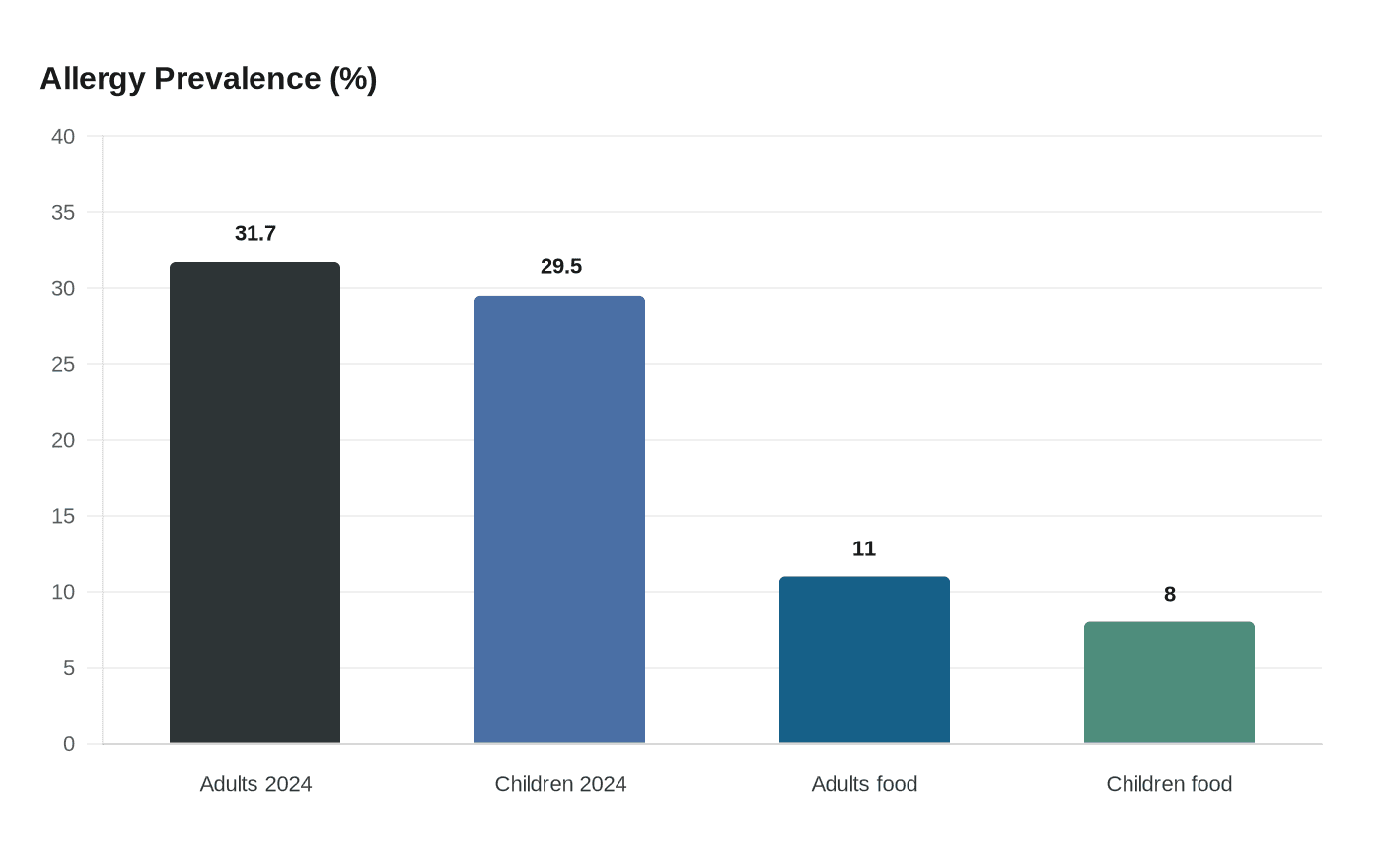
The scale of the issue is large. The Centers for Disease Control and Prevention said roughly 31.7% of U.S. adults and 29.5% of U.S. children reported having a diagnosed seasonal allergy, eczema or food allergy in 2024, underscoring how common allergic conditions have become. Separate national research has put food allergy at about 8% of U.S. children and 11% of U.S. adults, with the condition affecting millions of families across the country.
The financial toll extends far beyond doctor visits and prescriptions. A JAMA Pediatrics study concluded that childhood food allergy creates significant direct medical costs for the health care system and even larger costs for families with a food-allergic child. A later analysis of the economic burden of childhood food allergy cited prior U.S. household estimates of $24.3 billion a year, or about $4,148 per child. That burden can include special food purchases, emergency preparedness, missed work and the need for a parent to stay home rather than risk handing off care.

Allergy organizations say the strain is not only financial. The American Academy of Allergy, Asthma & Immunology has noted that parents of newly diagnosed children can feel overwhelmed and may need practical coping support. Research cited by the group has found that food allergy can affect psychosocial functioning and increase parental stress, especially when families are trying to manage exposures, school plans and emergency readiness at the same time.
The former lawyer’s choice reflects a hidden economic cost that falls unevenly on women, particularly mothers, when the systems meant to share responsibility are not built to do it well. For many families, food allergy is not only a medical diagnosis. It is a force that reshapes careers, childcare and household stability.
This article was produced by Prism’s automated news system from verified source data, official records, and press releases, then run through automated quality and moderation checks before publishing. The system is built and supervised by the people who set the standards it runs under. Read our full AI policy.
Did this article answer your question?


