Rectal cancer deaths rising rapidly among younger adults, confounding scientists
Rectal cancer deaths are climbing fastest in younger adults, even as older Americans are dying less often. Doctors say the pattern is both a warning and a mystery.
Rectal cancer is rising fastest where doctors once looked least, among younger adults, even as outcomes continue to improve for older patients. In a March 2, 2026 report, the American Cancer Society said rectal cancer incidence increased 1% a year from 2018 to 2022, reversing decades of decline, and now makes up 32% of all colorectal cancer diagnoses, up from 27% in the mid-2000s.
The broader burden is still enormous. The American Cancer Society projected 158,850 new colorectal cancer cases and 55,230 deaths in 2026, and said about 200 diagnoses occur each day in people younger than 65. Colorectal cancer remains the third most common cancer in men and women in the United States, the second leading cause of cancer death overall, and the leading cause of cancer-related mortality for adults under 50.

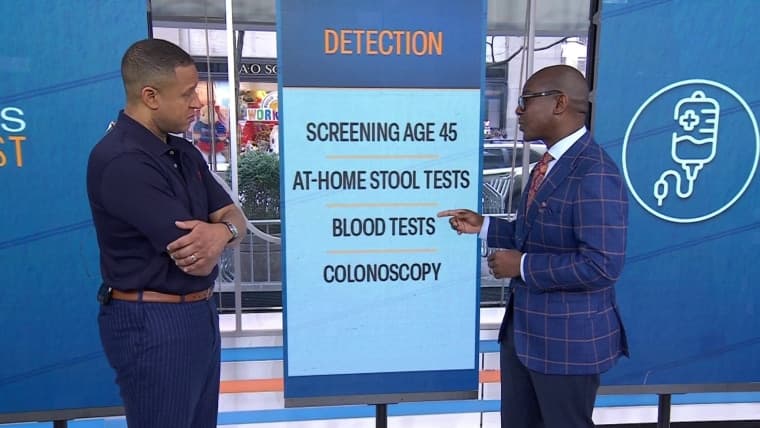
The trend has already forced a reset in screening policy. The American Cancer Society lowered the recommended starting age for average-risk colorectal cancer screening from 50 to 45 in 2018, and the U.S. Preventive Services Task Force and the US Multi-Society Task Force on Colorectal Cancer followed in 2021. Even so, doctors say the disease is still being caught too late in younger people, where symptoms are often minimized and suspicion remains low. The National Cancer Institute said that when Y. Nancy You finished her fellowship in 2009, the average age of a colorectal cancer patient in the United States was 72; now it is 67.
Scientists say the rise looks real, not statistical noise, but the cause remains unsettled. Rebecca Siegel, senior scientific director of surveillance research at the American Cancer Society, said the increase appears to reflect a real uptick in disease caused by “something we’re doing or some other exposure,” and called for more research, prevention, and screening. Johns Hopkins Bloomberg School of Public Health said the risk of dying from colorectal cancer for all Americans has roughly halved since 1980, yet the risk for people under 55 has increased. Otis Brawley said the pattern likely reflects better screening and treatment overall alongside a younger-onset disease linked to diet, ultra-processed foods, antibiotic exposure, and obesity.
Researchers also say the problem is not explained by any single cause. MD Anderson Cancer Center said about 20% of colorectal cancer patients under 50 have an inherited genetic mutation, and family history matters too. You said most young patients are diagnosed at stage III or IV, when the disease is harder to treat, while UC Davis Health’s Ankit Sarin said in rectal cancer care, “putting down the knife” can sometimes be the best choice because modern watch-and-wait approaches have changed treatment decisions.
A study in JAMA Oncology, published April 16, 2026, examined nationwide mortality data from 1994 to 2023 among people ages 25 to 49 and found 101,037 colorectal cancer deaths in that age group. The numbers point to a disease that is no longer confined to older patients, and to a public-health blind spot that screening alone has not yet closed.
This article was produced by Prism’s automated news system from verified source data, official records, and press releases, then run through automated quality and moderation checks before publishing. The system is built and supervised by the people who set the standards it runs under. Read our full AI policy.
Did this article answer your question?