Britain passes law to phase out cigarette sales for future generations
Britain moved to lock cigarette sales out for anyone born after January 1, 2009, betting enforcement and retailer licensing can outlast a new black market.
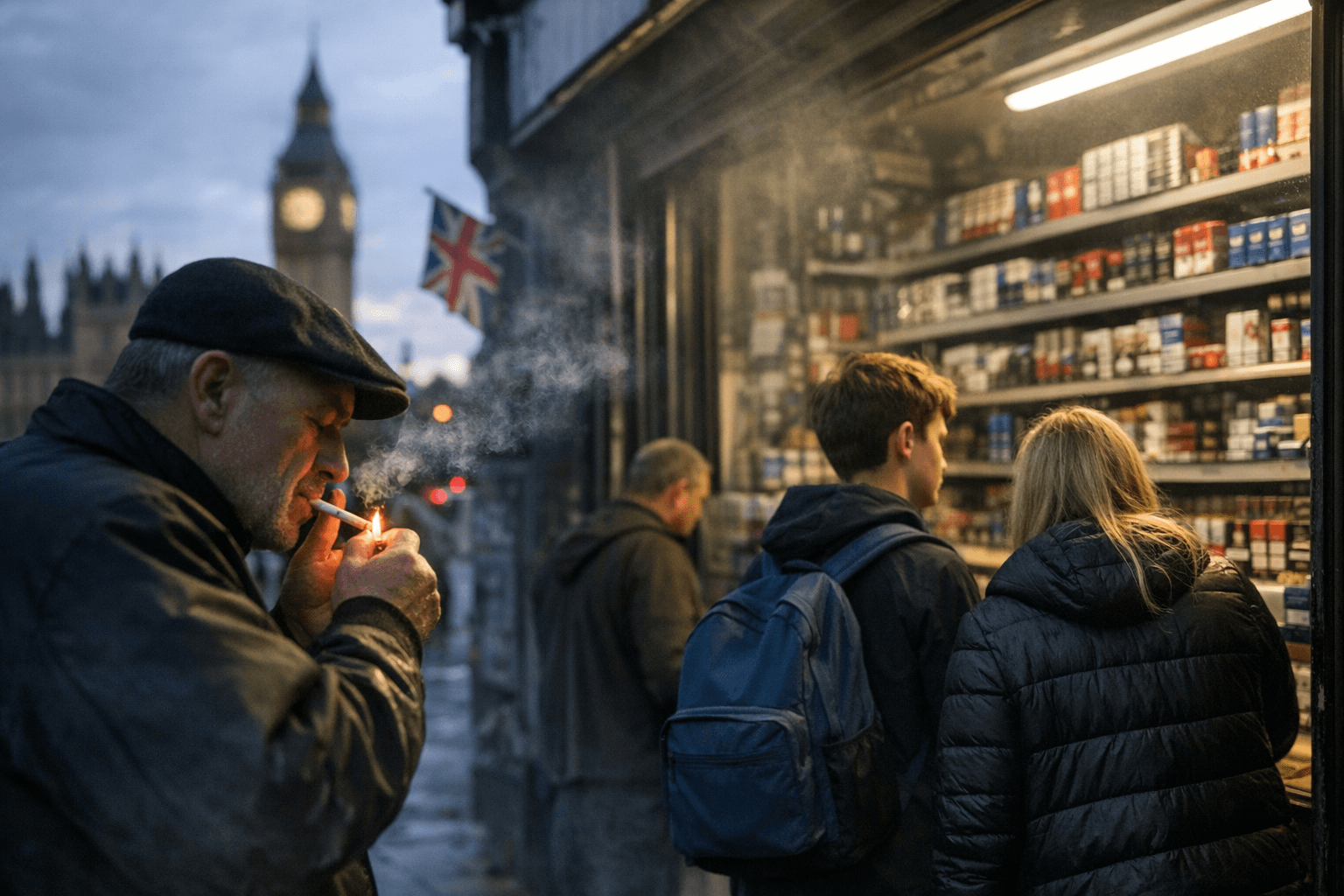
Britain has set up one of the most sweeping anti-smoking tests in the developed world: a law that will permanently bar cigarette sales to anyone born on or after January 1, 2009. For a 17-year-old today, that means tobacco will never become legally available, even as the legal age rises by one year every year under the Tobacco and Vapes Bill.
The measure reached its final stages in Parliament on April 21, 2026, and is due to receive royal assent next week. It combines the generational tobacco ban with a wider licensing system for tobacco, vape and nicotine retailers, tighter controls on advertising and promotion, and new smoke-free, vape-free and heated-tobacco-free places. Local authorities would gain fixed penalties and other enforcement tools, putting councils at the front line of a policy that depends as much on compliance as on public-health ambition.

Health Secretary Wes Streeting called the vote historic and said the reform would help create a "first smoke-free generation." The government argues that prevention will save lives, reduce nicotine dependence among young people and ease pressure on the National Health Service. The official impact assessment attached to the bill gives the scale of the problem: smoking causes around 80,000 deaths a year across the UK, including about 64,000 in England, and smokers lose an average of 10 years of life expectancy. The assessment also says smoking accounts for around one in four UK cancer deaths and that almost every minute of the day someone is admitted to hospital in England because of smoking.
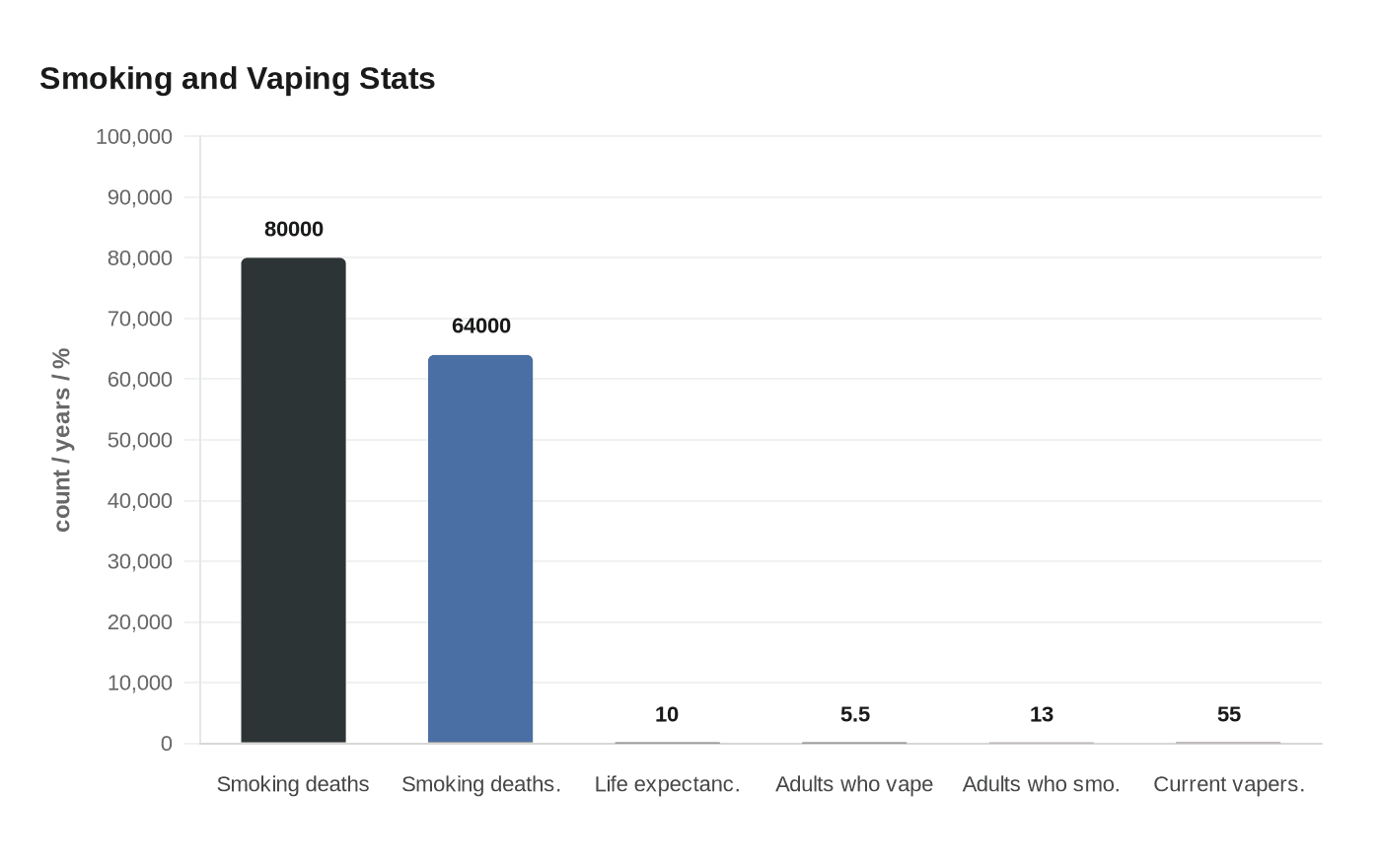
The policy is not limited to cigarettes. Britain already banned disposable vapes from June 1, 2025, after concerns about youth use and litter. Action on Smoking and Health says 10% of adults in Great Britain, about 5.5 million people, vape; 13% smoke; and 55% of current vapers used to smoke and have now given up. That makes enforcement delicate. Ministers are trying to reduce youth nicotine use without cutting off a product many adults use to quit cigarettes.
Support for the bill has been broad, with more than 1,200 public-health leaders urging Parliament to pass it quickly. But opponents in the Commons and Lords have raised questions about practicality and ethics, and that is where the real-world test begins. If the law is copied elsewhere, the key evidence will be whether smoking rates fall cleanly across age groups, whether retailer licensing works, and whether illicit sales merely move underground. England is already off track for its smoke-free target of less than 5% smoking prevalence by 2030, according to the Local Government Association, so the next challenge is whether Britain can turn a symbolic ban into measurable public-health gains.
This article was produced by Prism’s automated news system from verified source data, official records, and press releases, then run through automated quality and moderation checks before publishing. The system is built and supervised by the people who set the standards it runs under. Read our full AI policy.
Did this article answer your question?