Free birthing trend alarms experts as maternal deaths remain high
Free-birth advocates promise autonomy and distrust doctors, but U.S. data show 649 maternal deaths in 2024 and persistent stillbirth risk.

A social-media movement that urges women to give birth with no medical intervention is drawing alarm from obstetric experts as U.S. maternal and fetal death figures remain stubbornly high. Free-birth advocates frame pregnancy and delivery as something to be reclaimed from hospitals, but the stakes are clearest when complications turn sudden and emergency care is no longer close at hand.
That warning lands against sobering federal data. The Centers for Disease Control and Prevention said 649 women died of maternal causes in the United States in 2024, for a maternal mortality rate of 17.9 deaths per 100,000 live births. The CDC also said stillbirth affects about 1 in 175 births, or about 21,000 babies each year, and that since 2011 the nation has seen slightly more fetal deaths at 20 weeks of gestation or more than infant deaths annually. The pace of decline in fetal mortality has also slowed in recent decades.
The online free-birth trend has been amplified by influencers, podcasts and paid courses that promote “wild pregnancy” and birth without prenatal care or ultrasounds. Supporters present that path as autonomy and a rejection of medical overreach. Obstetricians say that framing leaves out the moment when a healthy labor turns dangerous, especially when there is no clinician, no monitor and no rapid transfer plan.
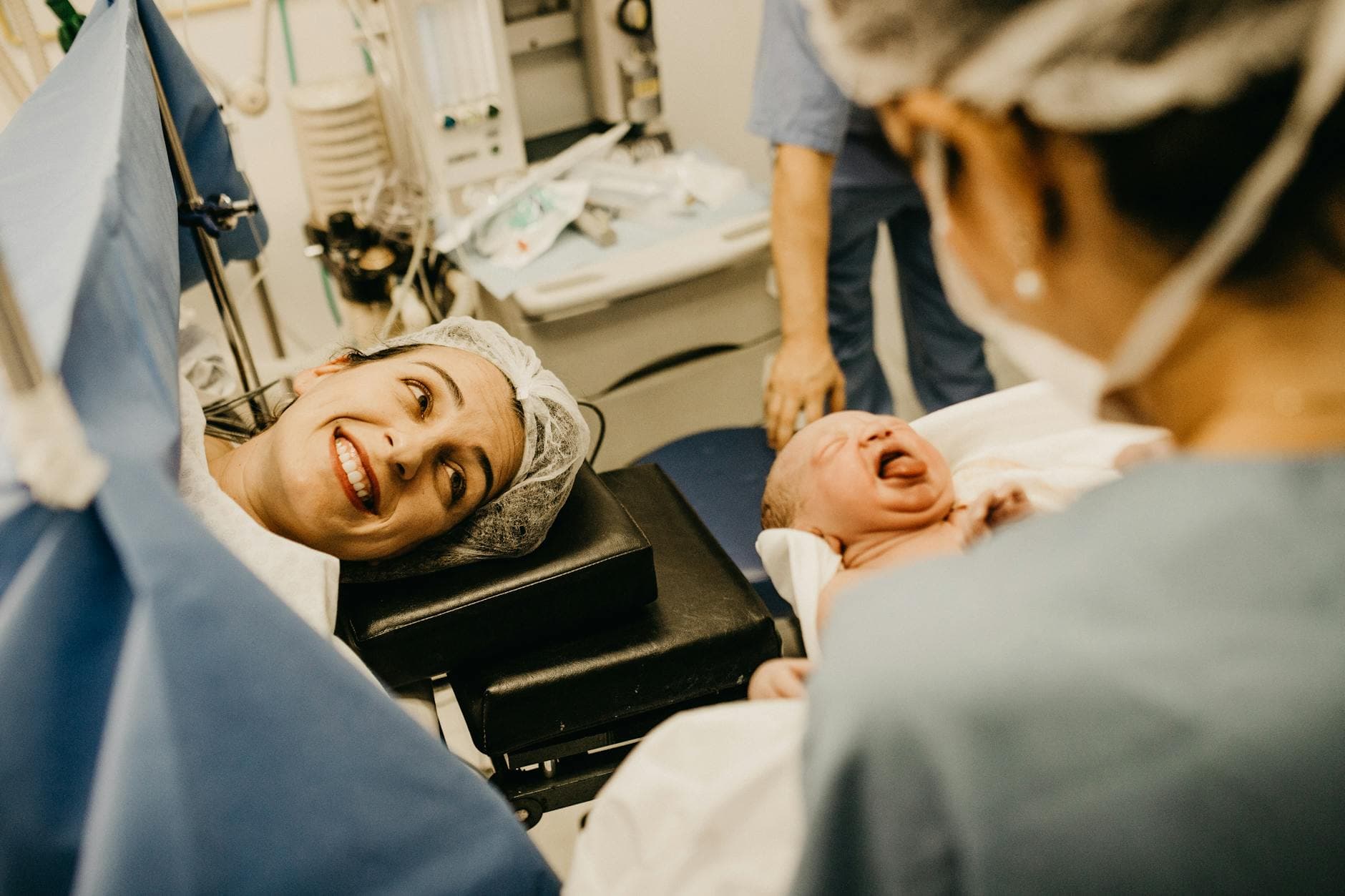
The American College of Obstetricians and Gynecologists says hospitals and birth centers that are both licensed and accredited are the safest settings for birth. Its planned home birth guidance says planned home birth is associated with fewer interventions, but also with a more than twofold increased risk of perinatal death and a threefold increased risk of neonatal seizures or serious neurologic dysfunction. ACOG also says patients have the right to make a medically informed decision about delivery, a point that places informed choice at the center of the debate.
The concern is not abstract. Postpartum hemorrhage remains one of the chief causes of maternal mortality and morbidity worldwide, and it can become fatal fast without emergency treatment. The CDC’s most recent data also show that maternal mortality remained highest among Black women and women 40 and older, underscoring how unequal access and underlying health risks make obstetric monitoring especially important. In that context, the appeal of social-media wellness culture collides with a basic reality of childbirth: when the unexpected happens, speed matters most.
This article was produced by Prism’s automated news system from verified source data, official records, and press releases, then run through automated quality and moderation checks before publishing. The system is built and supervised by the people who set the standards it runs under. Read our full AI policy.
Did this article answer your question?