Girl’s sight saved by pioneering NHS gene therapy at Great Ormond Street
A six-year-old from Stevenage became one of the children whose sight was transformed by Luxturna, a gene therapy that targets a rare blindness gene.
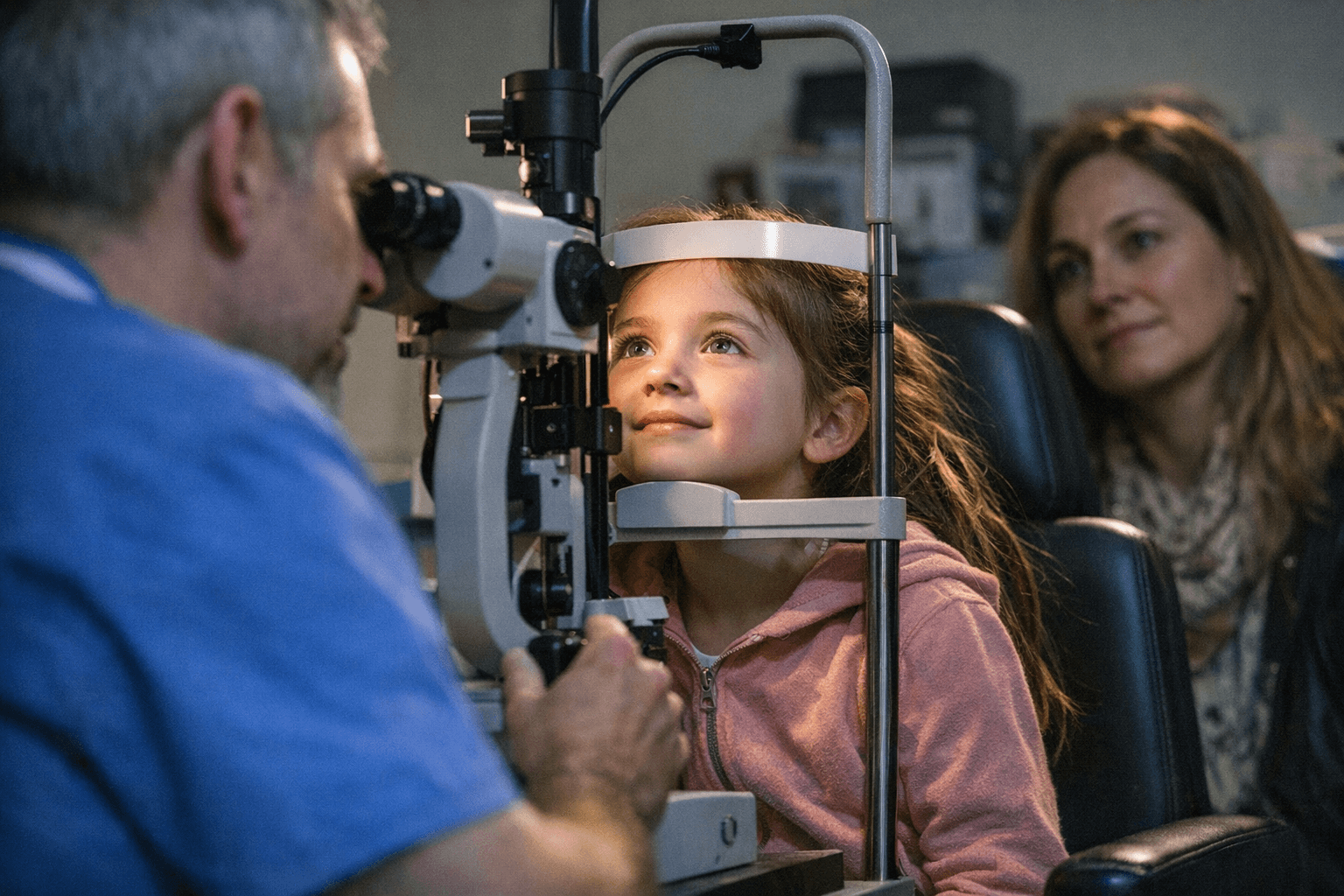
A six-year-old girl from Stevenage has had her sight transformed by Luxturna, the NHS gene therapy designed for a rare inherited form of blindness linked to the RPE65 gene. The treatment matters because it is not a broad cure for childhood sight loss, but a one-off intervention for a small group of children whose Leber’s congenital amaurosis is caused by that specific mutation.
Saffie Sandford was diagnosed after tests at Moorfields Eye Hospital in London and then treated at Great Ormond Street Hospital, where surgeons injected a healthy copy of the gene directly into her eye. Her mother, Lisa Sandford, said the family had been told Saffie would have been blind by the age of 30 without treatment. She described the effect of the therapy as “like someone waved a magic wand and restored her sight in the dark”.
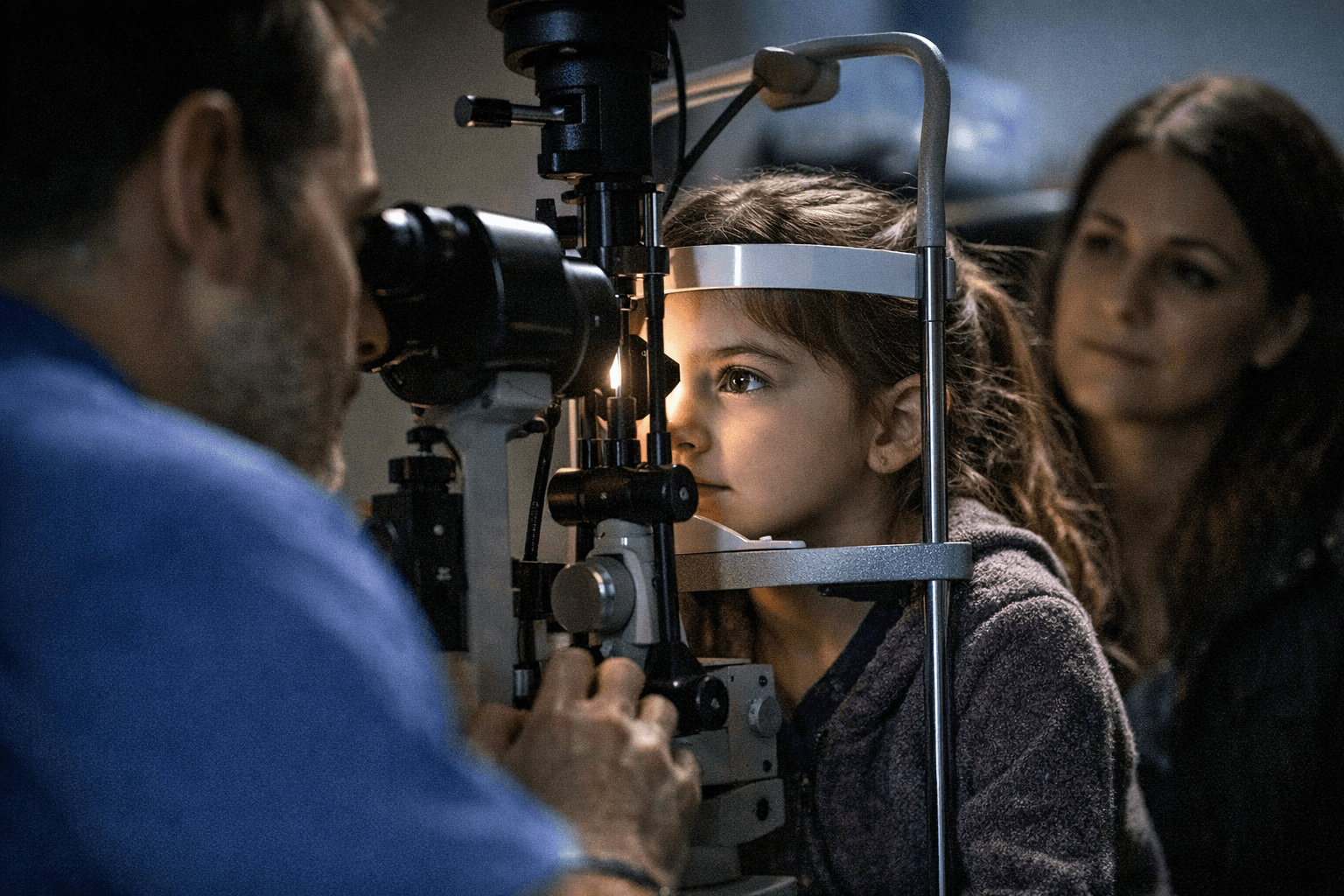
Leber’s congenital amaurosis affects the retina and causes severe sight loss from birth or early childhood. In Saffie’s case, the condition had already raised the threat of progressive retinal dystrophy, with poor sight from infancy and the prospect of deterioration over time. Lisa Sandford said the journey had been “a rollercoaster”, but the family felt relieved and grateful when they learned the therapy was available on the NHS. She said Saffie’s peripheral sight in daylight had improved, and the family says the child, a big Spider-Man fan, is thriving.
Great Ormond Street and Moorfields began providing the treatment on the NHS in February 2020 after NHS England reached a NICE-endorsed funding deal with manufacturer Novartis. The therapy, known medically as voretigene neparvovec, was the first approved treatment for one of the genetic causes of Leber’s congenital amaurosis and one of the earliest UK examples of directly administered gene therapy restoring sight in children.
Access remains tightly defined. The treatment is for patients with the relevant genetic mutation, so genetic testing and specialist referral are essential before a child can be considered. Great Ormond Street said the therapy was the product of around 10 years of research, and in February 2025 it said four children had already gained life-changing improvements in their sight through similar eye gene therapy. Saffie’s case now sits within that small but expanding group of children whose vision has been changed by a treatment once thought out of reach.
This article was produced by Prism’s automated news system from verified source data, official records, and press releases, then run through automated quality and moderation checks before publishing. The system is built and supervised by the people who set the standards it runs under. Read our full AI policy.
Did this article answer your question?