Brief yoga program speeds opioid withdrawal stabilization and recovery markers
A short, protocolized yoga course added to buprenorphine care shortened withdrawal stabilization and improved autonomic and symptom measures, offering a scalable adjunct for clinics and studios.
A recent randomized clinical trial tested whether a short, structured yoga protocol could accelerate opioid withdrawal stabilization when added to standard buprenorphine treatment. The study enrolled 59 men with opioid dependence and randomized 30 to receive yoga plus buprenorphine and 29 to receive buprenorphine alone. Yoga participants completed ten supervised 45‑minute sessions over two weeks that emphasized breath control, gentle stretches and guided relaxation alongside usual medical care.
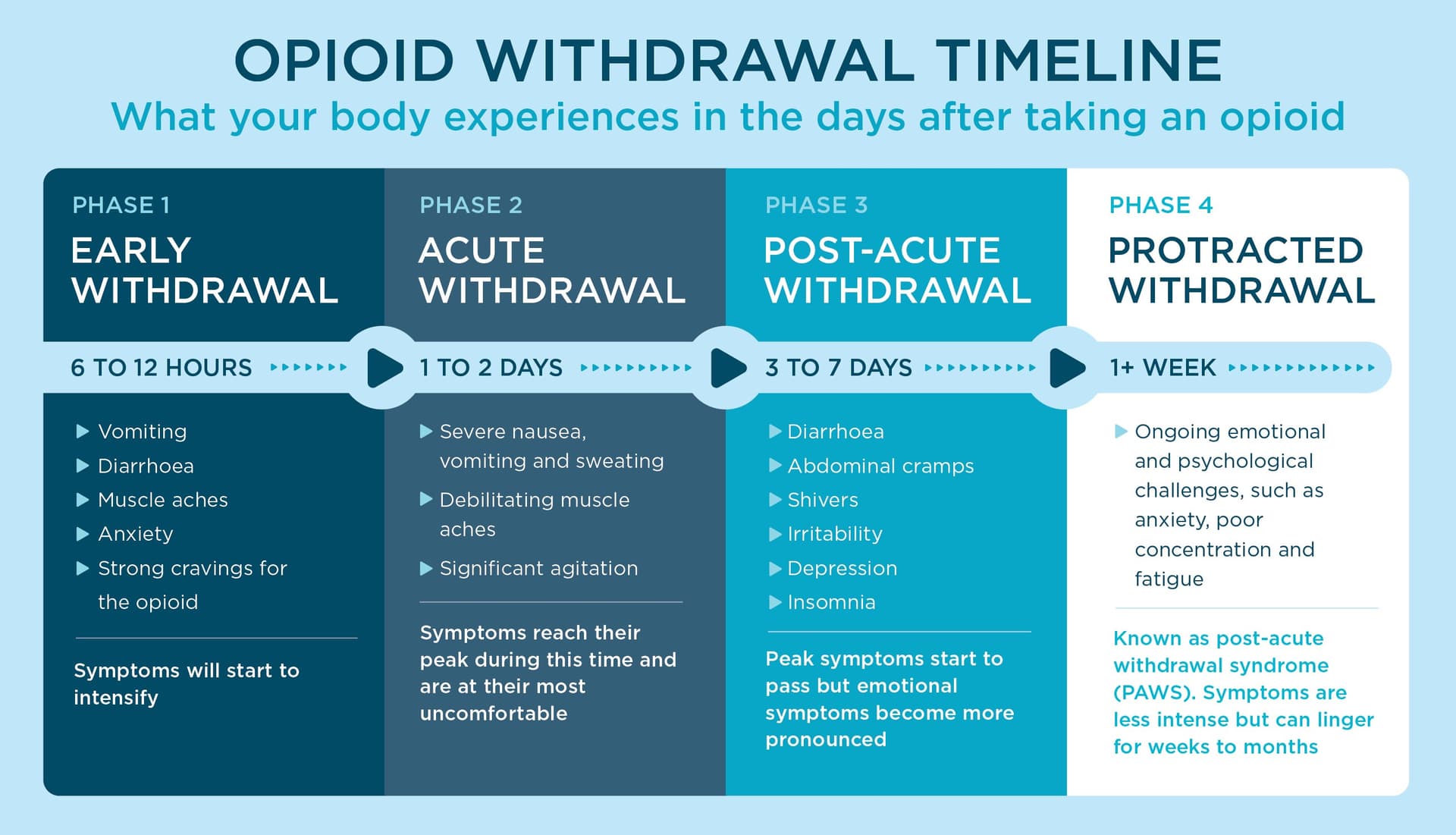
Primary outcomes focused on Clinical Opiate Withdrawal Scale (COWS) stabilization time, with additional measures including heart‑rate variability (HRV) as a marker of autonomic regulation and validated scales for anxiety, sleep quality and pain. Participants in the yoga arm reached withdrawal stabilization substantially faster—reported as roughly 4.4 times faster in the trial write‑up—and showed meaningful improvements in HRV consistent with increased parasympathetic tone. The yoga group also reported better sleep, less anxiety and reduced pain compared with medication alone. No adverse effects were reported.
For the yoga community, the trial offers concrete, practical implications. A brief, repeatable protocol delivered daily over two weeks appears feasible in clinical settings and could be adapted for recovery programs, outpatient clinics and partnership classes at studios. The emphasis on pranayama, gentle asana and guided relaxation targets autonomic dysregulation—the imbalance in sympathetic and parasympathetic activity that often accompanies opioid withdrawal—and complements pharmacotherapy that may not fully correct those physiological shifts.

Implementation requires attention to safety and coordination. If you teach or program yoga for people in medication‑assisted treatment, coordinate with prescribing clinicians, screen participants for medical stability, and use trauma‑informed cues and modifications. Short, supervised sessions can be integrated with clinic visits or offered in small groups, and instructors should prioritize gentle movements and receptive practices over intense physical sequencing during acute withdrawal.
The study’s limitations temper immediate generalization: the sample was small and composed of men only, and authors call for larger, more diverse trials to confirm effects and test delivery formats. Still, the absence of adverse events and the measurable shifts in HRV make a strong case for further testing and cautious adoption.

For yoga teachers and program directors, this research points toward a pragmatic next step: develop brief, standardized protocols that can be piloted with local treatment providers, collect simple outcome data, and refine practices based on participant safety and tolerability. As larger trials unfold, expect growing interest in collaborations that bring breath work and gentle asana into the spectrum of opioid withdrawal care.
Sources:
Know something we missed? Have a correction or additional information?
Submit a Tip