Bring a Kid to Work Day sparks questions, career dreams, workplace bonding
Kids took over GMA’s studio as the workplace ritual traced back to New York City in 1993 and later reached the White House.
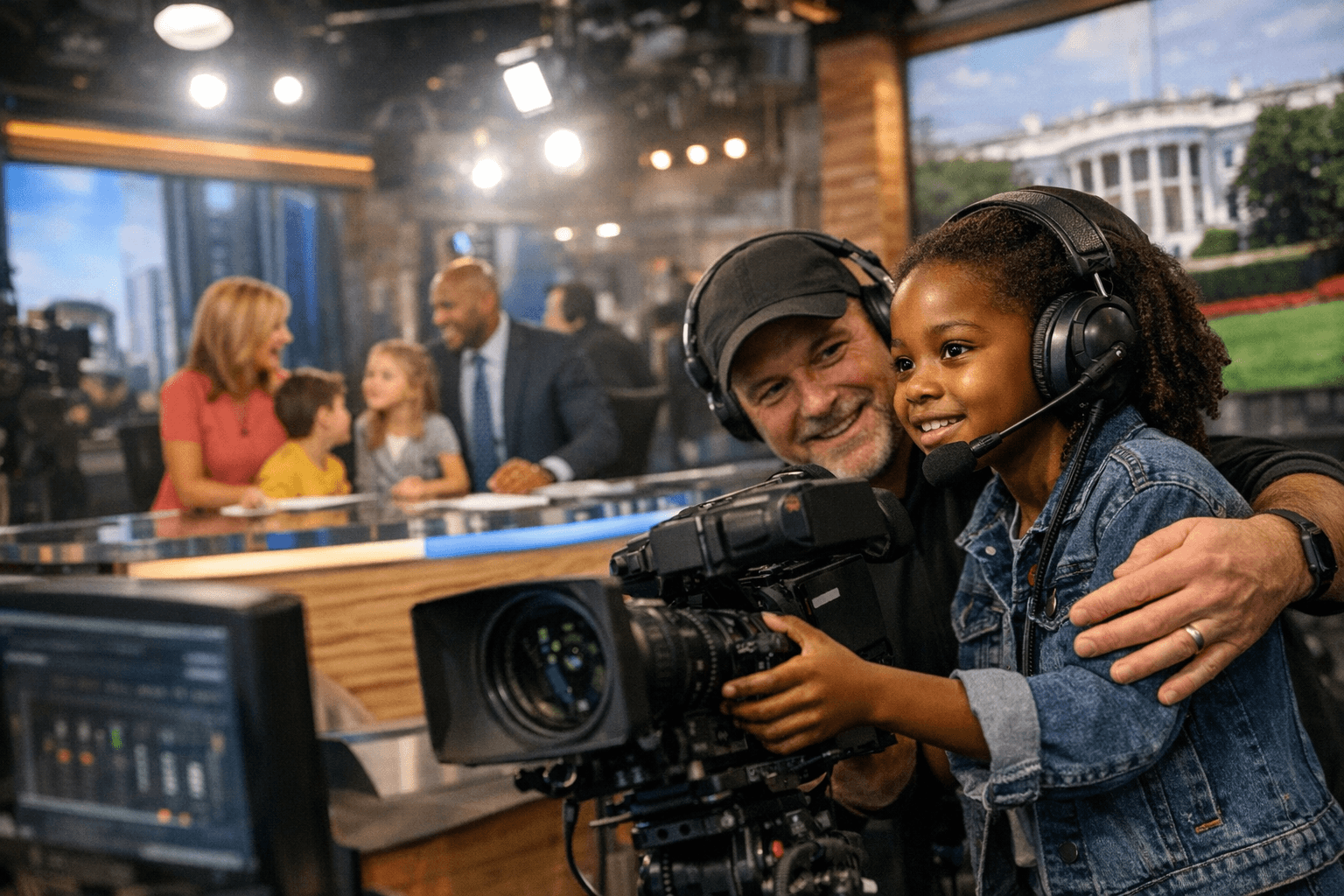
Children walked into the studio with questions, curiosity and a clear sense that the workday looked different on Bring a Kid to Work Day. On Good Morning America, the annual April tradition again turned the office into a family scene, with employees’ children asking parents how the job gets done and broadcasters using the moment as a built-in audience hook.
The timing is fixed on the fourth Thursday in April, and in 2026 that fell on April 23. The day has become a familiar fixture in modern offices, especially in media workplaces where behind-the-scenes access can become on-air content. GMA has used the occasion before to place staff children in the control room and to build family-friendly segments around the day, turning a workplace custom into a live demonstration of how television is made.
The roots run back to New York City in 1993, when Take Our Daughters to Work Day began with a specific purpose: to encourage girls to imagine careers and connect school with the working world. The program expanded in 2003 to include sons, becoming Take Our Daughters and Sons to Work Day. By 1996, participation had climbed to more than 5 million girls in 14 countries, a sign of how quickly the idea moved from a civic experiment to a widely recognized workplace ritual.
That growth also reflects why the day resonates inside newsrooms and broadcast studios. It gives children a direct view of deadlines, cameras and production teams, but it also gives companies a way to humanize work for viewers who rarely see the labor behind the broadcast. When President Joe Biden greeted children at the White House for Take Your Child To Work Day in 2023 and answered their questions, the setting underscored the same point: the day is as much about access and aspiration as it is about a lighter office atmosphere.
The symbolism is sharper because federal child labor law still draws a firm line between observation and employment. Under the Fair Labor Standards Act, children under 18 face restrictions, and 14- and 15-year-olds are limited in the hours they can work and the kinds of jobs they may hold. That makes Bring a Kid to Work Day less about labor than about exposure, a single day when the workplace opens its doors, career dreams get a little more concrete, and broadcasters find a family moment that also plays well on screen.
This article was produced by Prism’s automated news system from verified source data, official records, and press releases, then run through automated quality and moderation checks before publishing. The system is built and supervised by the people who set the standards it runs under. Read our full AI policy.
Did this article answer your question?