Britain delays ban on Russian-linked fuel imports amid supply crunch
Britain kept open a route for Russian crude in fuel refined abroad, even as Brent hovered near $109 and critics said the carve-out weakened sanctions.
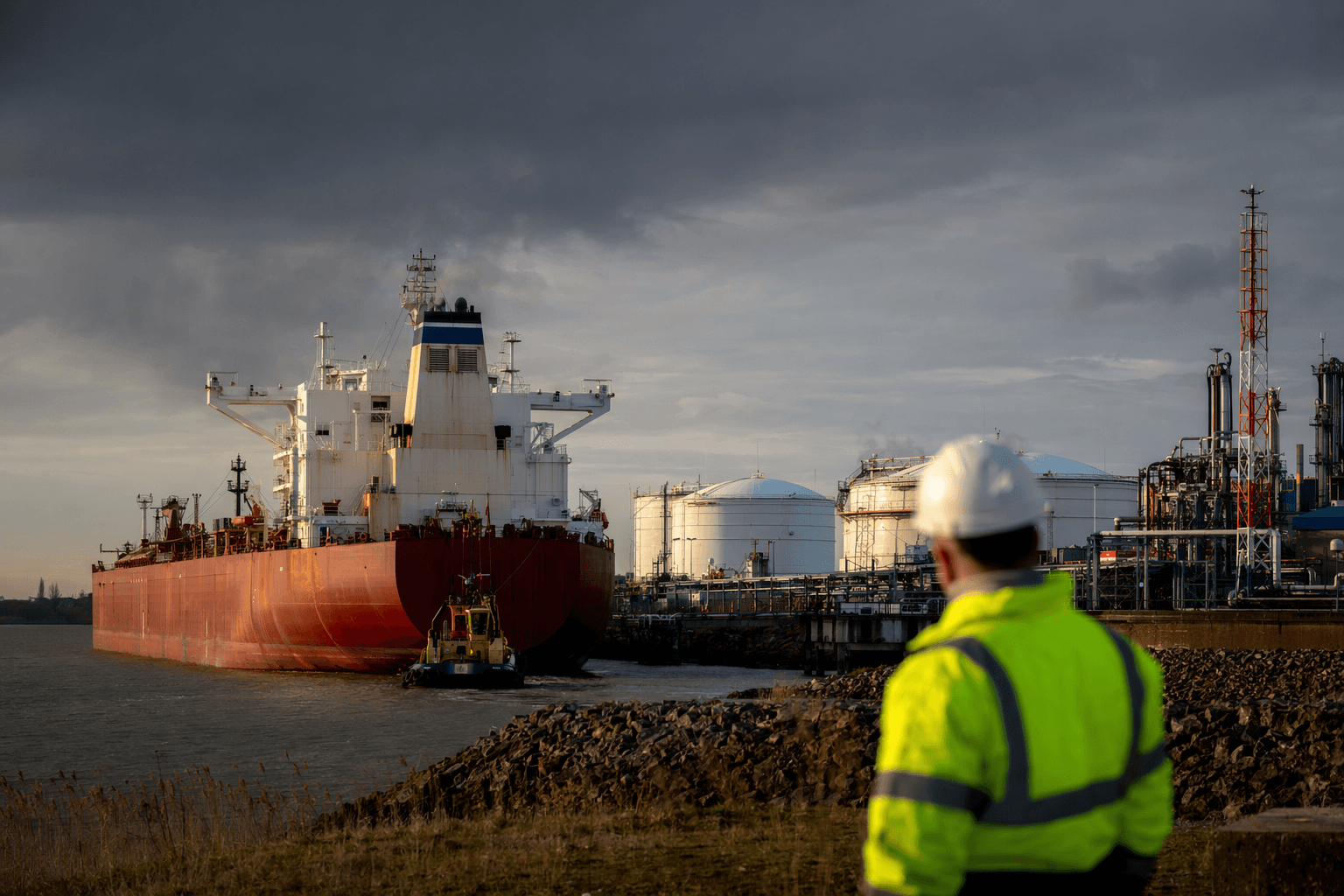
Britain kept open a channel for diesel and jet fuel refined from Russian crude in third countries, delaying a ban that was meant to close one of the last visible loopholes in its Russia sanctions regime. The government published a general trade licence on May 19, effective May 20, that allows imports of processed fuel, along with related services and actions, under licence number GBSAN0004 and with record-keeping requirements.
Officials said the pause was driven by supply pressure after the conflict with Iran tightened global fuel markets. The House of Commons Library said energy prices surged in March 2026 after the US and Israeli conflict with Iran effectively closed the Strait of Hormuz, while Brent crude traded around $109 a barrel, roughly 50 percent above pre-crisis levels. Airlines had warned in April about possible summer shortages of jet fuel, and carriers have since responded with higher fares and flight cuts.
Prime Minister Keir Starmer told parliament the measure was not a lifting of sanctions but a phased approach to implementing them. Trade minister Chris Bryant said the government intended to suspend the carve-out as soon as conditions allowed. The official guidance said the third-country processed oil-product ban had been introduced by the Russia (Sanctions) (EU Exit) (Amendment) Regulations 2026, and was designed to stop Russian oil entering the UK via a back door while reducing Kremlin revenues. It applies to oil products under HS code 2710 that were processed in a third country from Russian-origin crude under HS code 2709.
The policy exposed a familiar tension in sanctions enforcement: Britain wants to keep pressure on Moscow while protecting domestic supplies from price spikes and shortages. The government said its approach was aligned with the EU’s, but the temporary carve-out left critics arguing that energy security had been placed ahead of political resolve.
Kemi Badenoch, the Conservative leader, accused Starmer of choosing to buy dirty Russian oil and said the money would help fund the killing of Ukrainian soldiers. Emily Thornberry, a senior Labour lawmaker, said Ukraine had been very let down. Oleksiy Honcharenko, a Ukrainian opposition lawmaker, called the decision deeply disappointing.
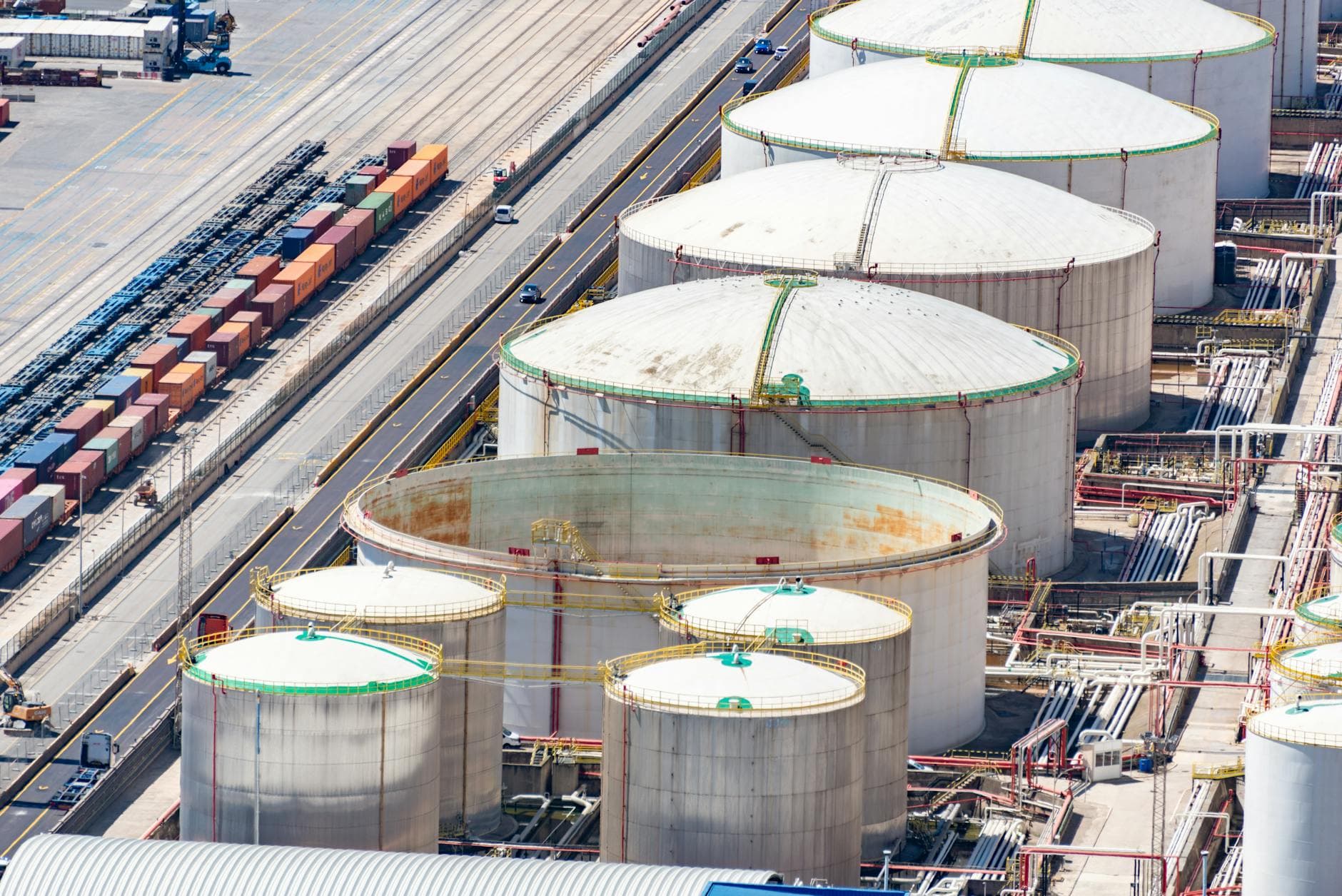
The scale of the loophole has already been put in sharp relief. Global Witness estimated that in 2023 the UK imported about 5.2 million barrels of petroleum products made from Russian oil, indirectly sending about £123 million in tax revenue to the Kremlin. It said one in seven barrels of jet fuel imported to the UK that year was made in a refinery using Russian oil. That is the tradeoff now facing ministers: preserve supply in a stressed market, or close a route that critics say keeps Russian crude flowing into Western economies after it has been processed elsewhere.
Know something we missed? Have a correction or additional information?
Submit a Tip