Britain expands live facial recognition as rights groups warn of abuse
Police said live facial recognition drove 2,500 arrests since 2024, but a Black Londoner’s misidentification kept Britain’s legal fight alive.

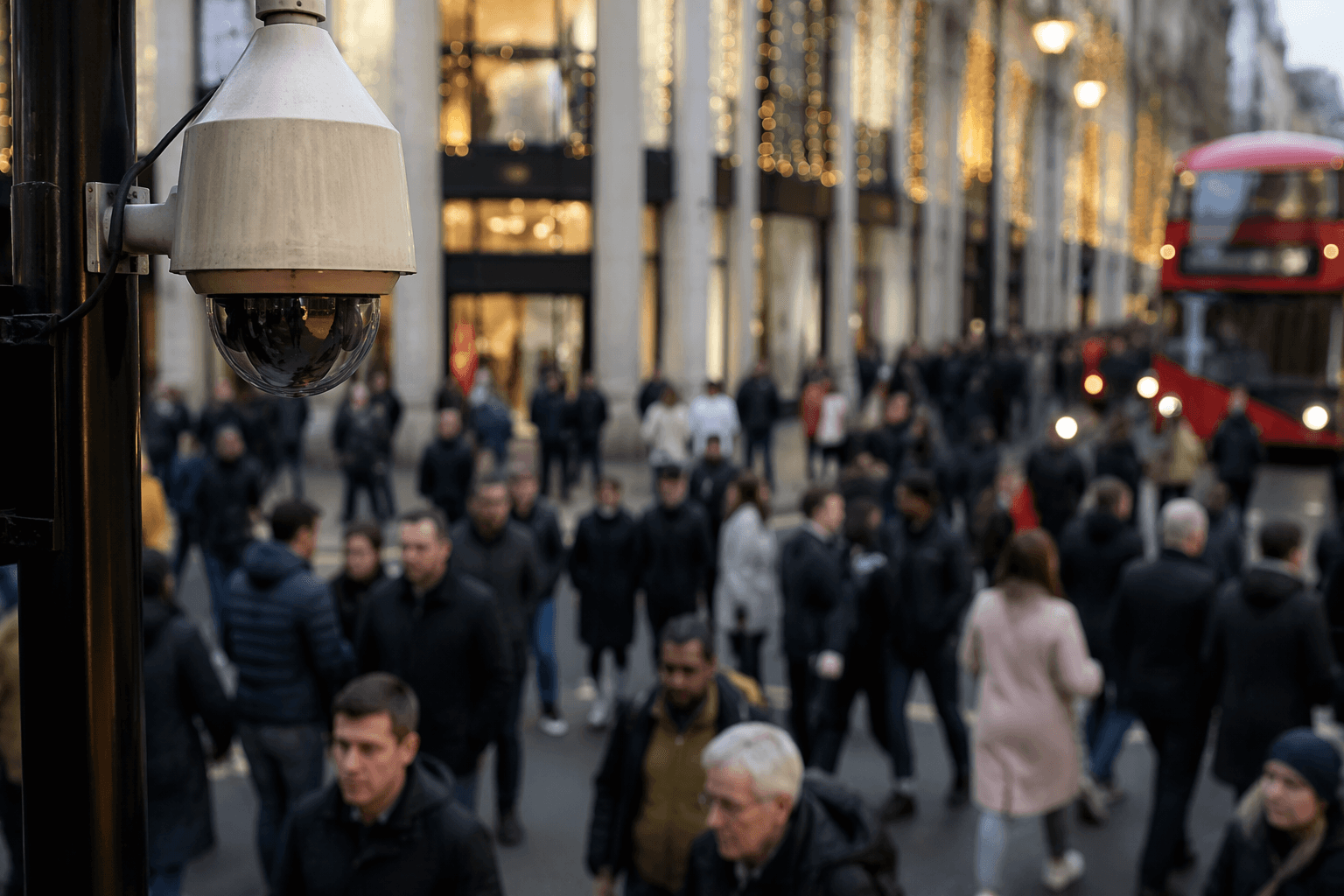
Live facial recognition was becoming routine in Britain’s busiest streets even as civil-liberties groups warned it was turning public space into a biometric checkpoint. In central London, tourists, shoppers and office workers walked past police cameras that scanned faces against a watchlist, while the Metropolitan Police said the technology had helped officers make roughly 2,500 arrests since the start of 2024.
The force has presented the system as a practical answer to serious crime, especially in crowded areas where suspects can vanish quickly. The Home Office has argued that facial recognition is already woven into daily life on smartphones, laptops, card payments and at UK airports, and says police can sometimes identify a suspect in hours or minutes, rather than the two weeks or more traditional methods can take. The College of Policing says live facial recognition compares a live camera feed against a predetermined watchlist and generates an alert on a possible match, with support for locating wanted people, missing persons and others who may pose a risk of harm.
The legal fight sharpened after the High Court ruled on April 21, 2026, in Thomson and Carlo v Metropolitan Police Commissioner, rejecting a challenge by Shaun Thompson and Silkie Carlo. Thompson, a 39-year-old Black Londoner and community worker with Street Fathers, had been misidentified in a February 23, 2024 deployment near London Bridge after the system matched him to an image of his brother. Carlo, the director of Big Brother Watch, joined the challenge to the Metropolitan Police’s revised overt live facial recognition policy, adopted on September 11, 2024. The case focused on whether the policy gave officers too much discretion under Articles 8, 10 and 11 of the European Convention on Human Rights.
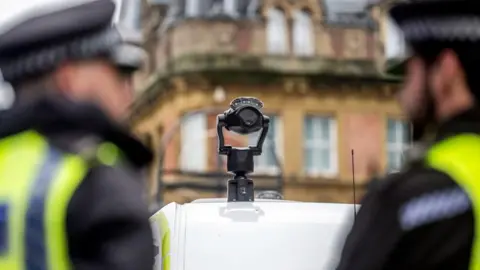
One live operation in Victoria showed how quickly the system could be deployed. Police warnings were posted, a van and temporary cameras were visible, and the technology generated alerts within an hour. Officers approached one man, questioned him briefly and later determined the alert was linked to a court restriction rather than an arrest warrant. A second alert followed about 30 minutes later.
The expansion has moved faster than the political consensus around it. In July 2024, Home Office minister Dan Jarvis told MPs that facial recognition could be effective but needed a robust legal framework and strong safeguards against bias and disproportionality. He also cited National Physical Laboratory testing that found no statistically significant ethnicity differences at the settings police generally used. But the history remains bruising: in 2020, the Court of Appeal found South Wales Police’s use of automated facial recognition unlawful, and critics say Britain is now testing how far live facial recognition can spread before the guardrails catch up. The Met’s own figures show the scale of the rollout, with 962 arrests linked to live facial recognition between September 2024 and September 2025, more than one-quarter involving violence against women and girls, and 173 arrests in a six-month Croydon pilot using cameras mounted on street furniture.
Know something we missed? Have a correction or additional information?
Submit a Tip