Mexico, EU to sign expanded trade deal to curb US dependence
Mexico and the EU signed a broader trade pact in Mexico City, widening access in services, farm goods and procurement as both hedge tariff shocks from Washington.

Mexico and the European Union signed an expanded trade agreement in Mexico City on Friday, a deal meant to loosen both sides’ dependence on the United States as tariff threats and political uncertainty in Washington reshape global commerce.
The modernization goes far beyond the old 2000 pact, which mostly covered industrial goods. The new version adds services, government procurement, digital trade, investment and farm products, giving European and Mexican companies a much wider channel to move goods, bid for contracts and build supply chains. The European Commission said the framework also strengthens climate and labor-rights cooperation and improves access to critical raw materials needed for the green and digital transitions.
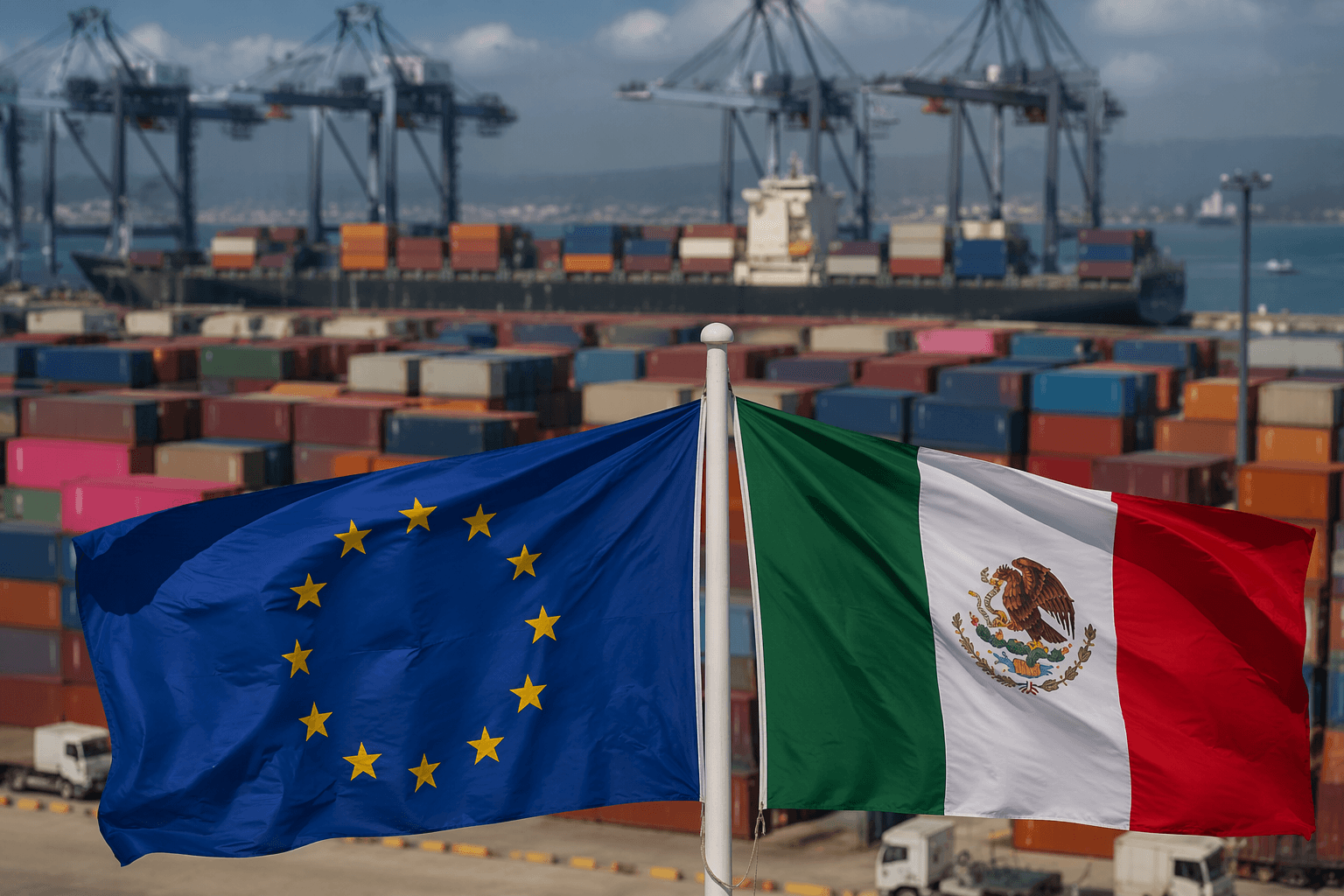
For Mexico, the agreement is a bid for more breathing room in an economy still deeply tied to the U.S. market. For the European Union, it is part of a wider push to diversify supply options and export markets at a moment when even close U.S. partners are reassessing how much leverage they want concentrated in Washington. The deal does not replace the U.S. market, but it signals a clear strategic turn toward resilience, bargaining power and lower exposure to tariff shocks.
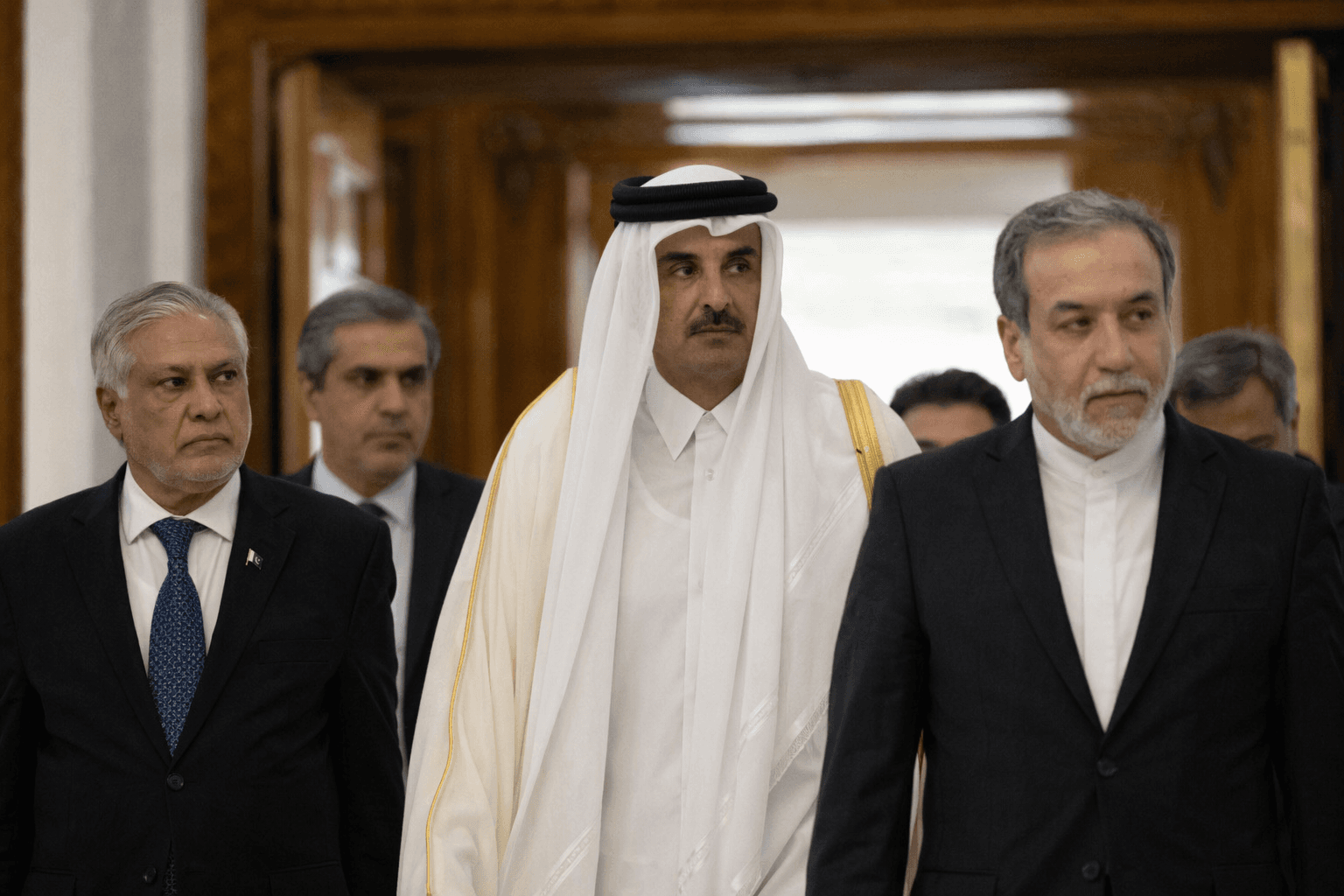
The summit in Mexico City carried that message in diplomatic form. Mexican President Claudia Sheinbaum signed the pact alongside European Commission President Ursula von der Leyen and European Council President António Costa at the eighth EU-Mexico summit, their first meeting together in more than a decade. EU foreign policy chief Kaja Kallas described the gathering as more than a trade event, reflecting Europe’s interest in closer ties with a major Latin American economy.
The commercial stakes are large. More than 45,000 EU companies export to Mexico, and the Commission says most are small and medium-sized firms. EU-Mexico trade in goods reached 82 billion euros in 2023, while services trade reached 22 billion euros in 2022. The updated deal is also set to protect 568 European geographical indications in Mexico, including Champagne, Parma ham, balsamic vinegar from Modena and Rioja wine.
The agreement had been in the works for years. The EU-Mexico Global Agreement entered into force in 2000, the two sides decided in 2016 to modernize it, and they reached an agreement in principle in April 2018. Public-procurement technical details were finished in April 2020, the European Commission announced the end of negotiations in January 2025, and the Council authorized signing on May 11, 2026.
The wider global agreement will still need ratification by all EU member states before it fully enters into force. Even so, the signature in Mexico City marked a sharper phase in the global rewiring away from overdependence on the United States, as Mexico and Europe seek more secure trade, more reliable leverage and more room to maneuver.
Know something we missed? Have a correction or additional information?
Submit a Tip