Pakistan and Qatar rush to Tehran as cease-fire teeters
Pakistan and Qatar are back in Tehran as a two-week cease-fire frays, with the Strait of Hormuz and sanctions relief keeping Washington and Iran at odds.
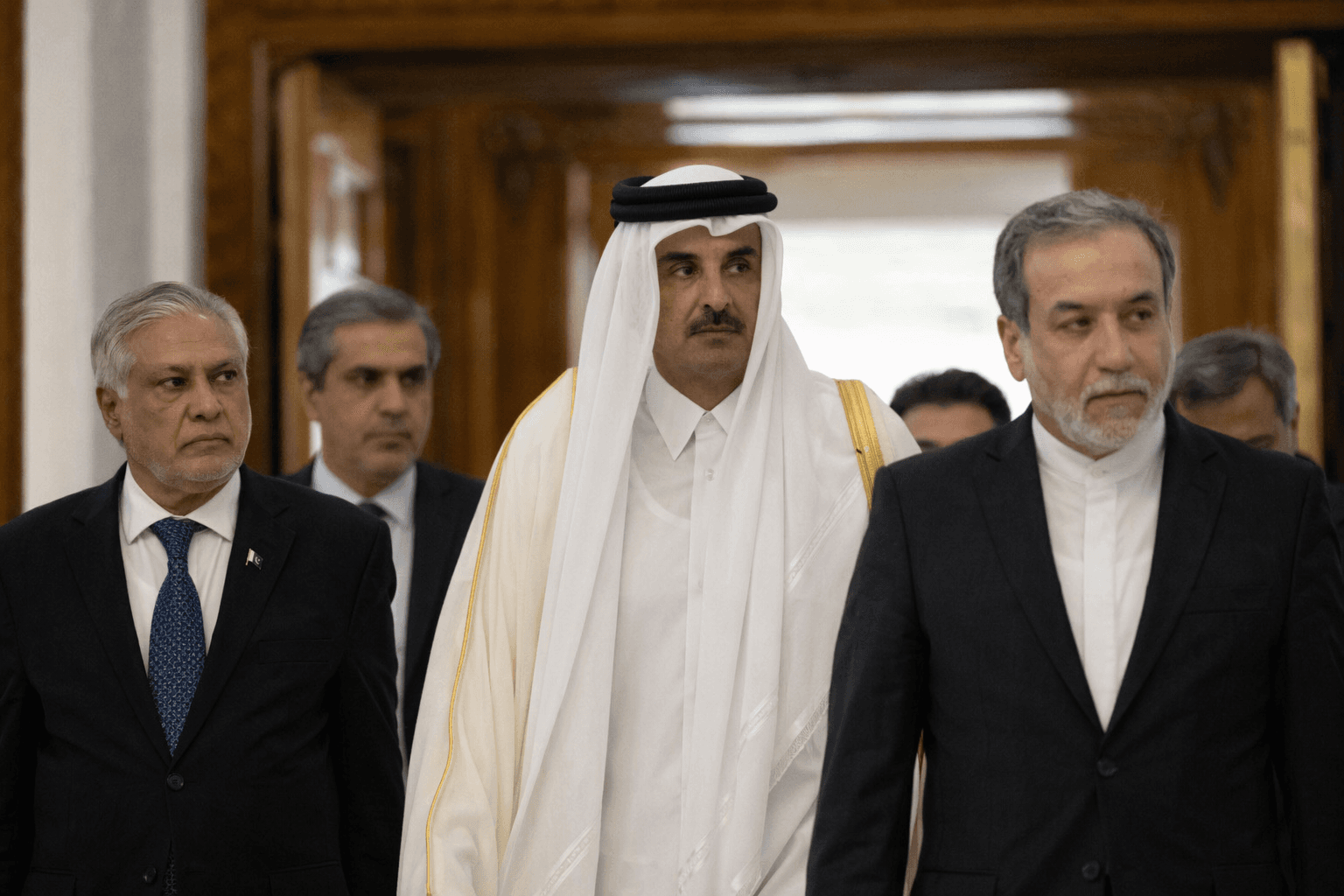
The cease-fire between the United States and Iran looked fragile from the start, and now Pakistan and Qatar are racing to keep it from collapsing. Their renewed shuttle diplomacy has put two regional middle powers at the center of an uneasy pause in fighting that began after roughly 40 days of hostilities and left the Middle East one misstep away from a wider war.
A Qatari negotiating team arrived in Tehran on May 22 in coordination with the United States, while Pakistani officials continued carrying Iranian proposals to Washington. The latest push followed Pakistan’s earlier role in brokering a two-week truce announced on April 8, when Prime Minister Shehbaz Sharif said he had helped secure the cease-fire with army chief Field Marshal Asim Munir. Sharif also invited U.S. and Iranian delegations to Islamabad for follow-on talks on April 10, as Donald Trump said Iran had sent a 10-point proposal that could form the basis of negotiations.
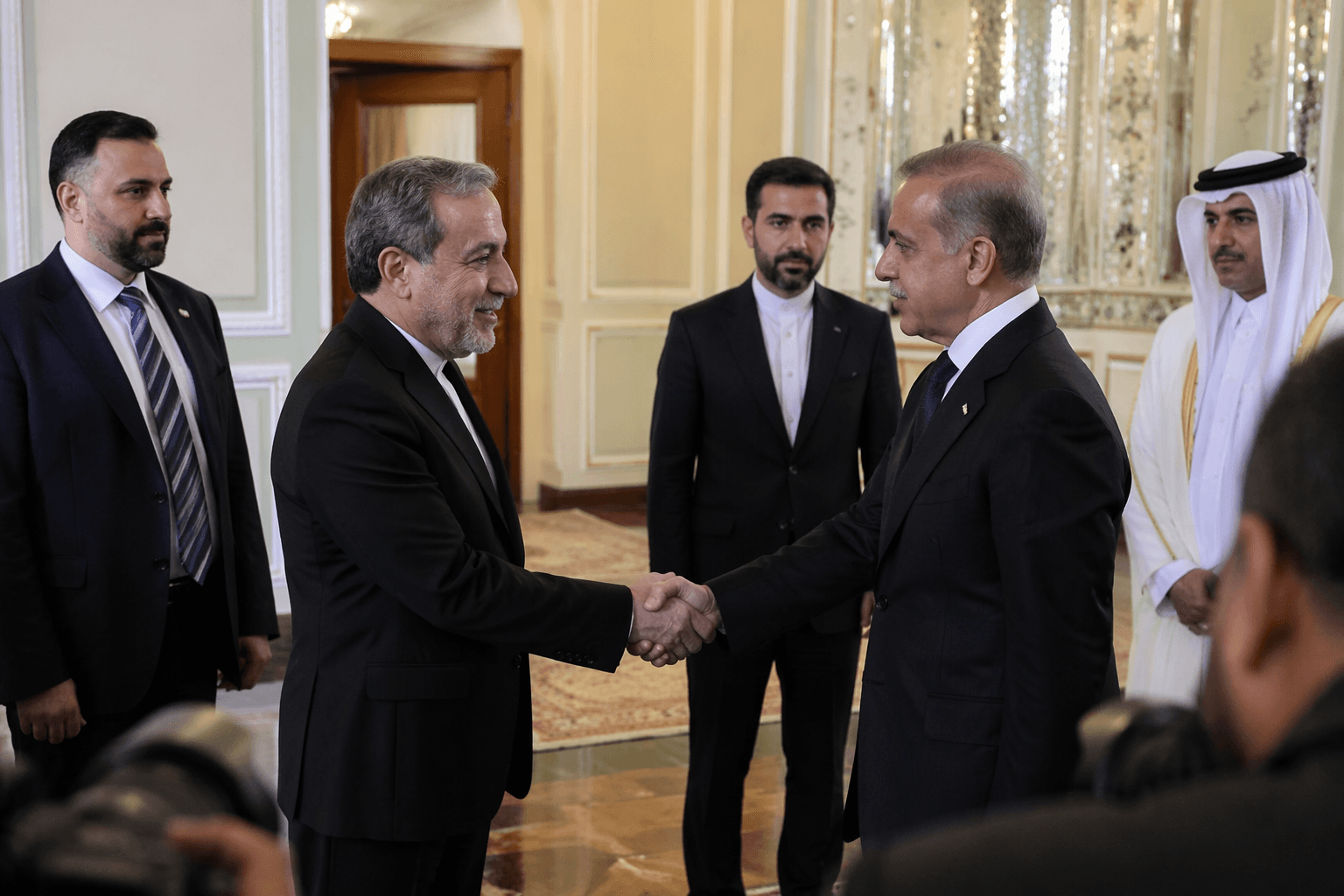
Pakistan’s leverage comes from access that neither Washington nor Tehran has been able to match. Islamabad has remained in touch with both capitals, allowing it to move revised Iranian ideas back to the United States, including a revised proposal shared on May 18. Iranian Foreign Minister Abbas Araghchi met Pakistani officials in Tehran on May 22 to discuss the proposals, underscoring how much the talks now depend on intermediaries able to speak to both sides without the burden of direct confrontation.
Qatar’s role is just as unusual. Doha had previously stepped back from direct mediation after being hit by Iranian missiles and drones during the conflict, yet it has returned to Tehran at a moment when the cease-fire needs constant reinforcement. That return reflects the limited options available to Washington and Tehran, which remain far apart on the substance of any lasting deal.
The hardest issue remains the Strait of Hormuz, where any disruption threatens global shipping and energy flows. The cease-fire was tied to a temporary reopening of the waterway, but Tehran has continued to press for sanctions relief, the release of frozen assets, and an end to the blockade linked to Hormuz. Analysts and regional officials have warned that the agreement rests on deep trust deficits, making it unclear whether this diplomacy can produce a durable mechanism or only delay another round of fighting.
Know something we missed? Have a correction or additional information?
Submit a Tip