India power demand hits record 270.82 GW as heat wave strains grid
Nighttime cuts of 40 minutes to an hour hit Chennai as India’s power demand surged to a record 270.82 GW, exposing how heat is outpacing the grid.
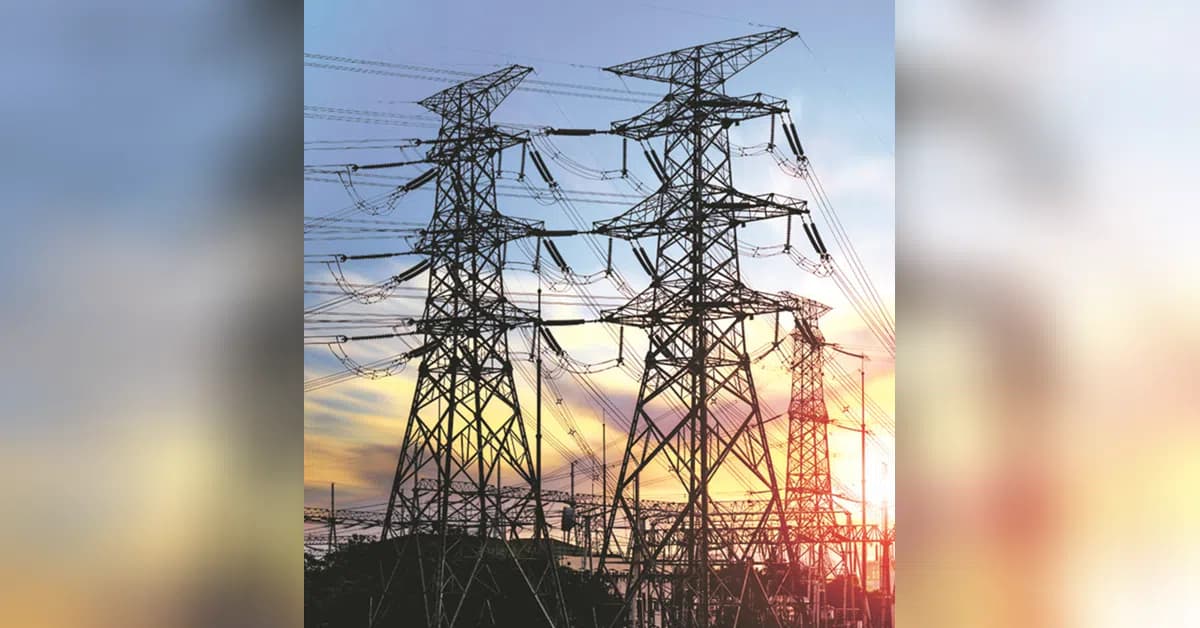
Electricity failures were already biting residents in Chennai before the broader numbers turned alarming. Over the past two days, people in the city said nighttime outages lasted about 40 minutes to an hour, making it harder to work from home and forcing households to adjust routines in the middle of an intense heat wave. South Chennai residents described frequent cuts, while complaints also surfaced from New Delhi, Noida and parts of Odisha.
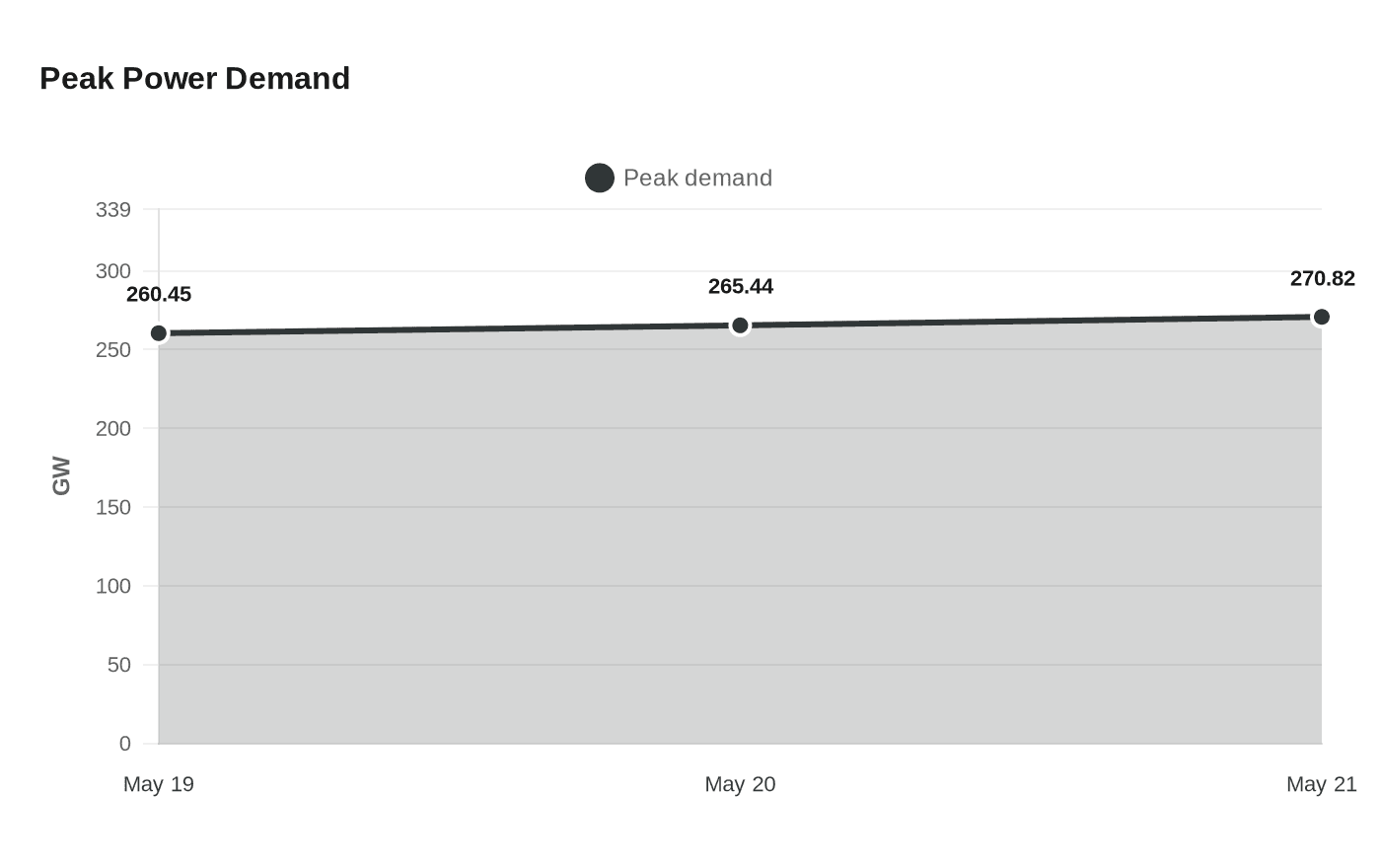
The strain sharpened on May 21, when India’s peak power demand climbed to 270.82 GW, a new record after successive highs of 265.44 GW on May 20 and 260.45 GW on May 19. The Ministry of Power said the electricity system remained ready to meet demand, but urged consumers to use electricity judiciously and wisely as temperatures soared. Grid-India data pointed to the pressure building after sunset, when the system reported a peak power deficit of about 2.57 GW on Thursday evening.

The heat itself is not easing quickly. The India Meteorological Department said heat wave to severe heat wave conditions were likely to continue across northwest, central, east and parts of peninsular India through the following week. On May 18, the highest maximum temperature reported was 47.6°C in Banda, Uttar Pradesh, a level that pushes air-conditioning demand higher just as many cities struggle with evening shortages.
That pattern reveals the central challenge for India’s power planners. Solar generation can help cover daytime demand, but shortages are more persistent after sunset, when the grid leans more heavily on thermal plants and hydropower. Disha Aggarwal of the Centre for Energy, Environment and Water said India’s power system is being tested by record heat and soaring electricity demand and argued that battery commissioning should be fast-tracked so surplus solar power can be stored for nighttime use.
India has expanded its clean-energy base quickly. As of March 31, 2026, the government said 283.46 GW of non-fossil capacity was installed, including 274.68 GW of renewable energy, with solar at 150.26 GW and wind at 56.09 GW. The Ministry of New and Renewable Energy said renewables met 51.5% of India’s total electricity demand of 203 GW in July 2025. Even so, the Ministry of Power’s year-end review said India met a record peak demand of 242.49 GW in FY 2025-26 and reduced national energy shortages to 0.03%, showing how fast the benchmark has moved upward.
With the southwest monsoon likely to set in over Kerala on May 26, give or take four days, some relief may be near. Until then, the heat wave is laying bare a harder reality: generation has grown, but transmission, storage and demand management still have to keep pace with climate-driven spikes that hit hardest after dark.
Know something we missed? Have a correction or additional information?
Submit a Tip