Pentagon pauses defense forum with Canada over spending, F-35 delays
Pentagon officials paused a 1940 defense forum with Canada, warning Ottawa’s F-35 review and slow spending plans are shaking confidence in NORAD readiness.

The Pentagon has frozen a long-running defense forum with Canada, turning a familiar channel of cooperation into a test of whether Ottawa still looks like a reliable security partner in Washington’s eyes. The pause hits the Permanent Joint Board on Defense, a bilateral advisory body created under the Ogdensburg Agreement on Aug. 17, 1940, and comes as U.S. officials say Canada has delayed hard decisions on military spending and on the future of its F-35 fighter buy.
At the center of the dispute is a widening gap between what Canada has achieved and what Washington now wants. Canada’s National Defence department said in March 2026 that the country had reached NATO’s 2% of GDP defense-spending target in the 2025-26 fiscal year, after saying in June 2025 that it would hit that level by March 31, 2026. But a Pentagon official said Canada still needs a resource-backed plan to lift core defense spending to 3.5% of GDP by 2035, in line with the tougher burden-sharing commitments NATO allies adopted at The Hague in 2025. NATO’s declaration calls for annual plans showing a credible path to that goal, not just a single-year benchmark.
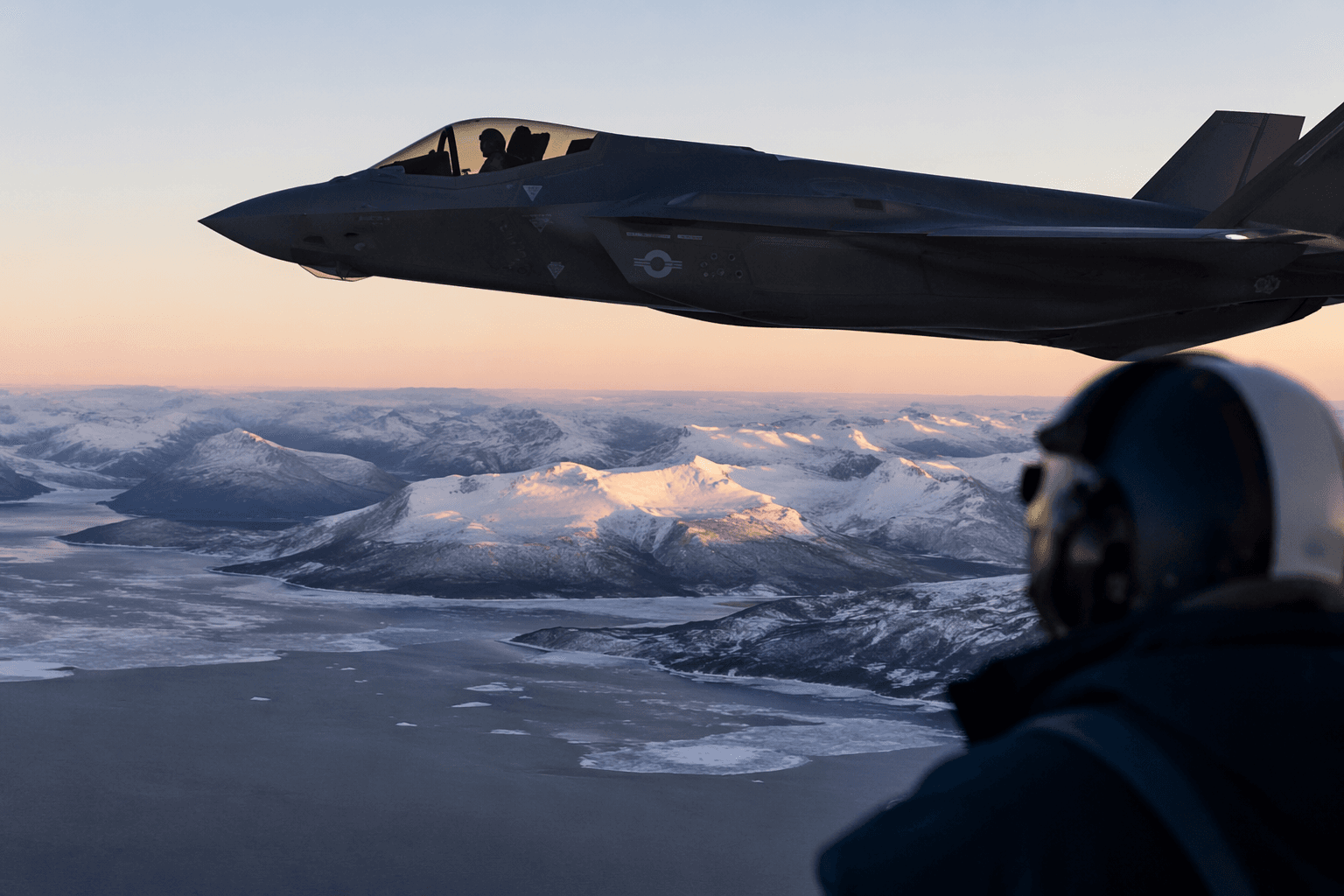
The fighter review is aggravating the problem. Ottawa said in January 2023 that it would buy 88 F-35A jets in a deal valued at about C$19 billion, calling it the largest investment in the Royal Canadian Air Force in three decades. Canada had already entered the finalization phase in March 2022 with Lockheed Martin and the U.S. government as the top-ranked bidder. That process was expected to wrap up around September 2025, but it remains unfinished, and U.S. officials view the delay as a sign that politics is outrunning readiness.
The stakes go well beyond one aircraft order. Public reporting has said some former senior Royal Canadian Air Force officers urged Ottawa to keep a full F-35 fleet, arguing it best fits Canada’s military needs, while Saab has pressed a rival Gripen pitch built around Canadian industrial and job-creation benefits. Ottawa is also weighing whether to split the fleet. That debate has become a proxy for a bigger question: whether Canada is prepared to make expensive, politically difficult choices that affect NORAD, Arctic surveillance and the credibility of continental defense.

Canada’s 2026-27 Departmental Plan says recent spending has gone to recruitment and retention, infrastructure modernization, core fleets and digital systems. But Washington’s decision to pause the board suggests patience is thinning. For the U.S., the message is that long-standing defense arrangements can be put under review when allies move too slowly on capability, procurement and spending.
Know something we missed? Have a correction or additional information?
Submit a Tip