Britain, Germany and France back direct Zelenskiy-Putin ceasefire talks
Britain, Germany and France endorsed Volodymyr Zelenskiy's direct talks with Vladimir Putin, but only with U.S. and European involvement as Russia kept up strikes.

Europe's three biggest backers of Kyiv lined up behind Volodymyr Zelenskiy's push for direct ceasefire talks with Vladimir Putin, signaling that any negotiation must include the West as well as the warring sides. The meeting at 10 Downing Street in London on June 7 gave Britain, Germany and France a chance to show they still have leverage over the shape of any settlement, not just the battlefield.
Keir Starmer, Friedrich Merz and Emmanuel Macron met Zelenskiy at the British prime minister's residence after the Ukrainian president had published an open letter to Putin on June 4 inviting direct talks. In a joint statement, the three leaders backed Zelenskiy's call for an end to the war and supported direct dialogue between Ukraine and Russia, with active U.S. and European participation. The statement also said Europe had an important role to play in any settlement and underlined that the continent remained one of Ukraine's main sources of international support.
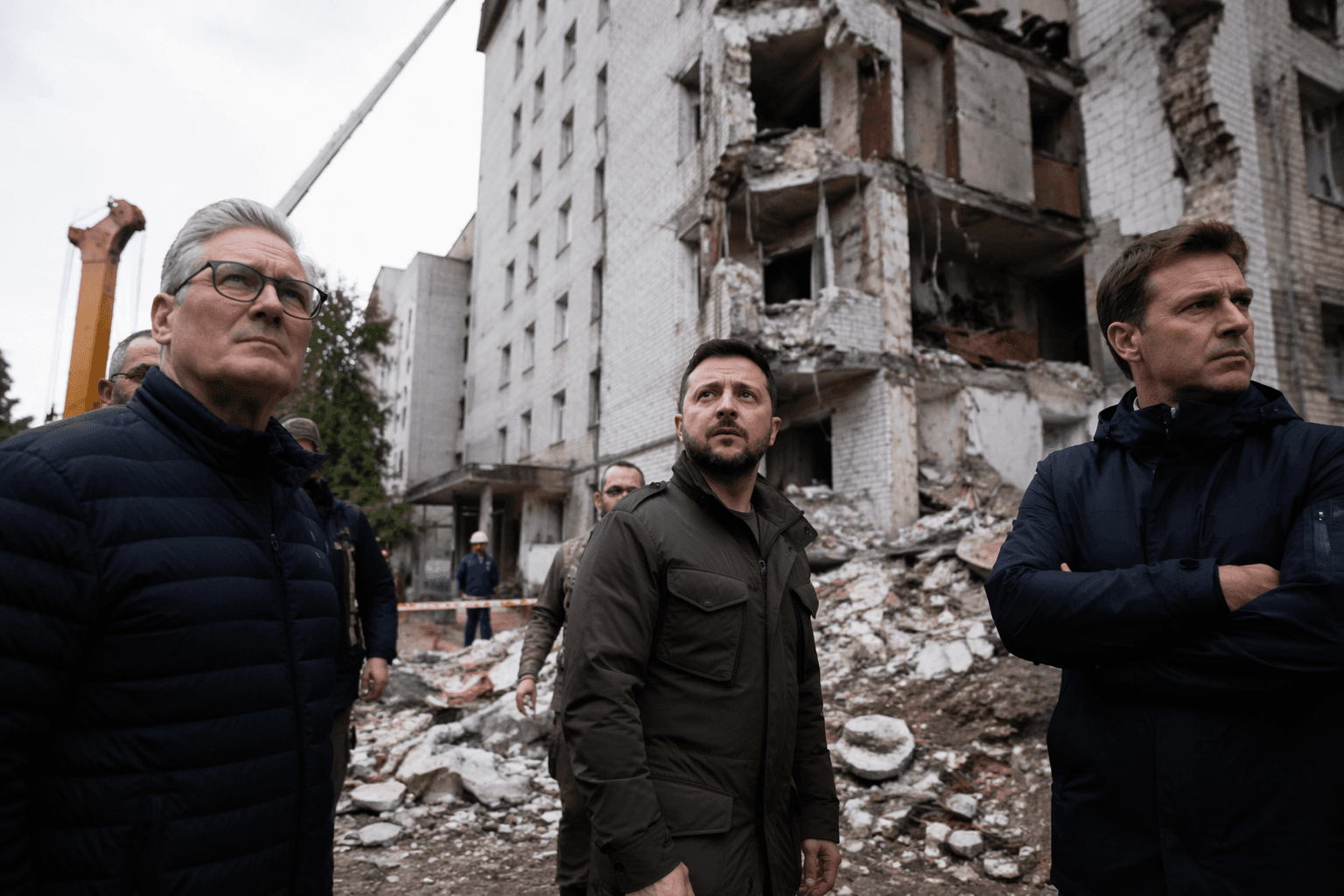
The timing mattered as much as the wording. Reuters had reported on June 5 that Macron, Starmer and Merz would gather with Zelenskiy in London to continue coordination on support for Ukraine and pressure on Russia's war effort. By meeting together, the E3, which brings together Britain, France and Germany, tried to keep a diplomatic channel open while making clear that Moscow cannot dictate the terms of any ceasefire. Merz said Europe was open to dialogue, but that what was missing was Putin's willingness, a line that captured the calculation behind the London push: talks only matter if Russia is prepared to test them seriously.
For Ukraine, the European backing strengthens Zelenskiy's bid to frame any negotiations as a collective Western effort rather than a bilateral trap. For Europe, it is also a bid to avoid being sidelined if Washington and Moscow seek their own deal. The strategy is to gain enough diplomatic weight to shape the terms, while leaving open what would need to be frozen or conceded for talks to move from symbolism to substance.
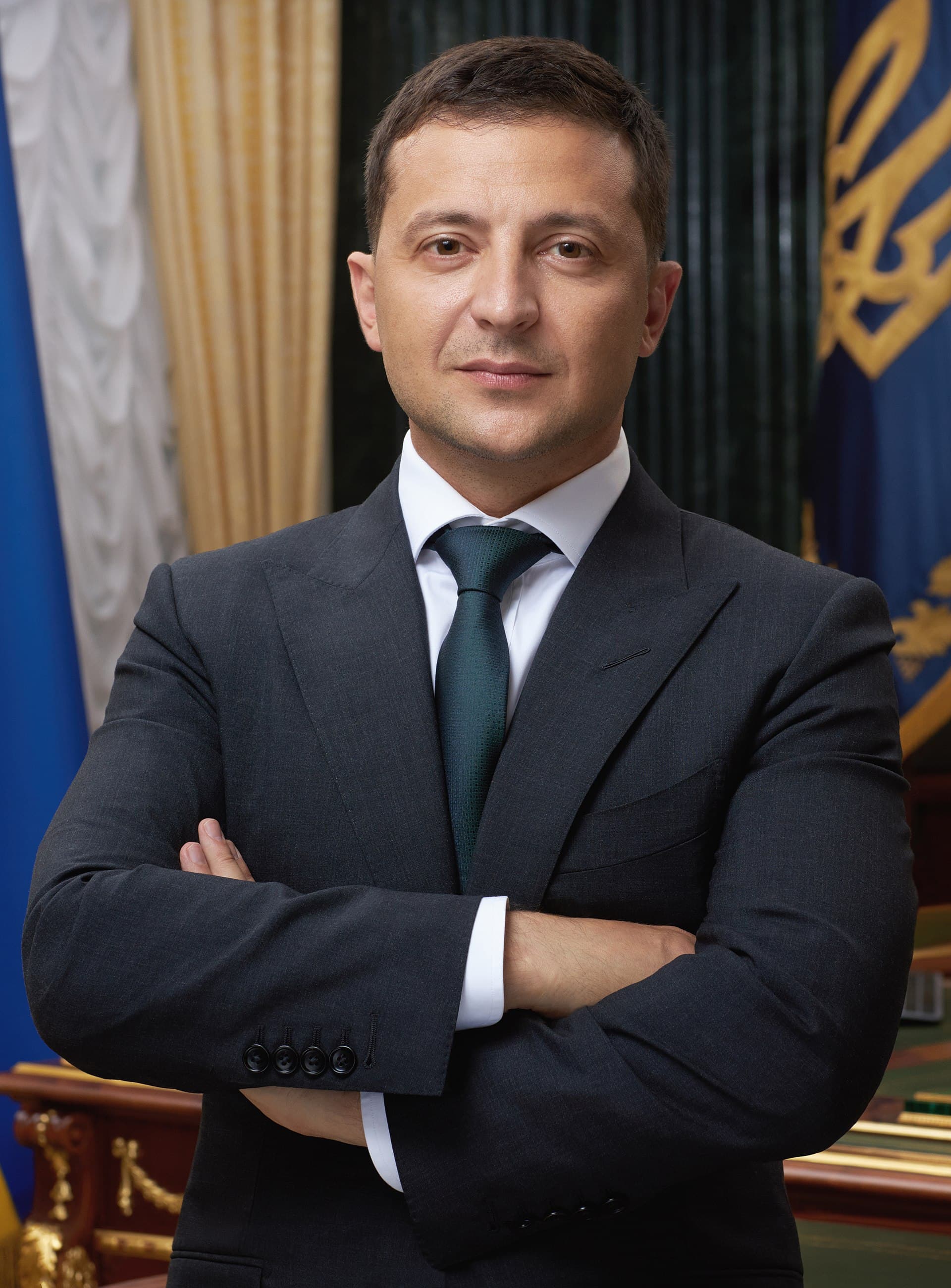
That realism was sharpened by events on the same day. Reporting from June 7 said Russian strikes in Ukraine killed civilians and hit a nuclear storage site, a reminder that diplomacy was unfolding alongside active combat. The London meeting showed Europe trying to hold both truths at once: support Ukraine's defense now, and keep a narrow path open to a ceasefire later, if Moscow finally decides to engage.
This article was produced by Prism’s automated news system from verified source data, official records, and press releases, then run through automated quality and moderation checks before publishing. The system is built and supervised by the people who set the standards it runs under. Read our full AI policy.
Know something we missed? Have a correction or additional information?
Submit a Tip

