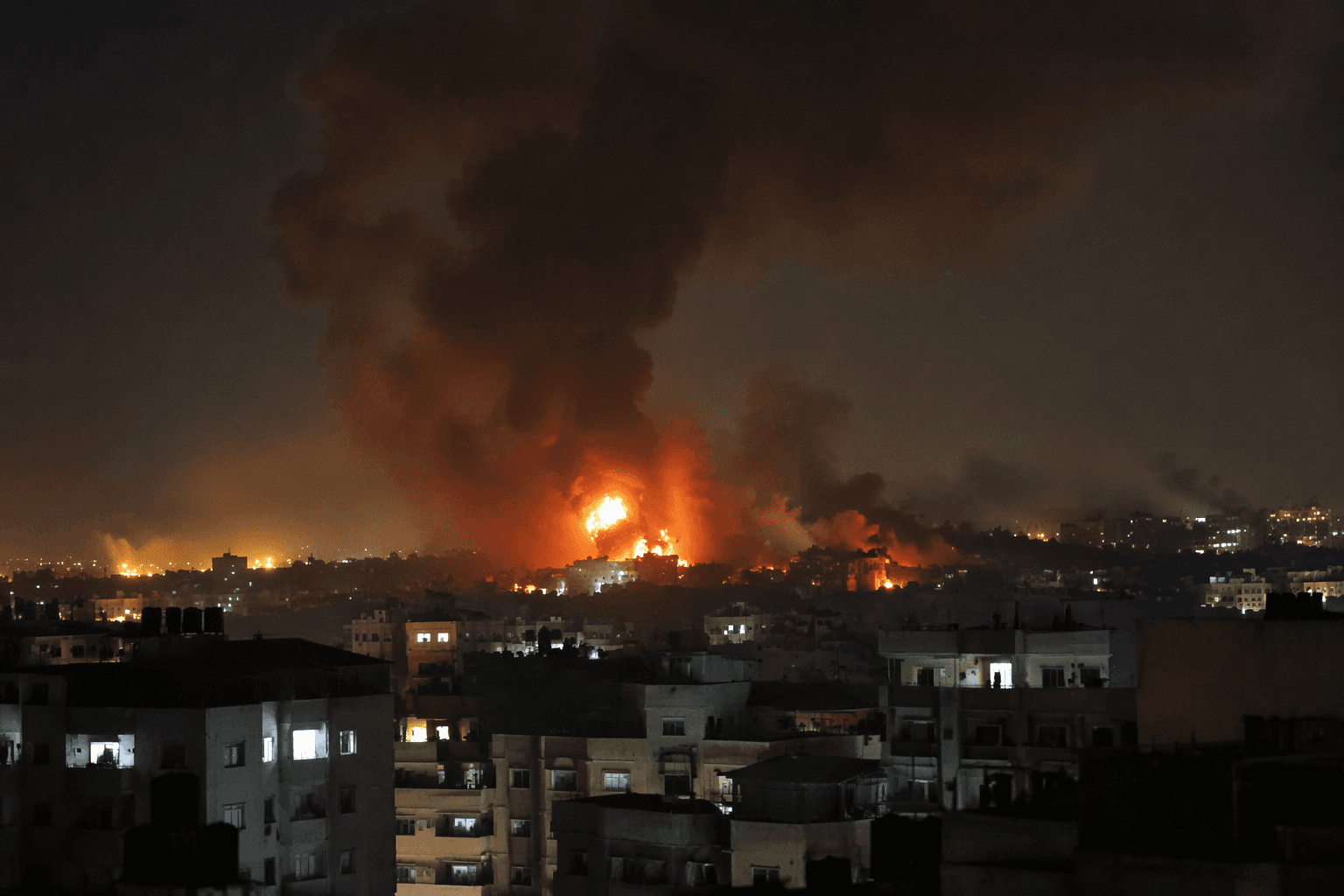
Israel strikes Iranian military targets after missile attack on Israel
Israel hit military targets in western and central Iran hours after Iran launched missiles at Israel, exposing how fast deterrence is fraying again.
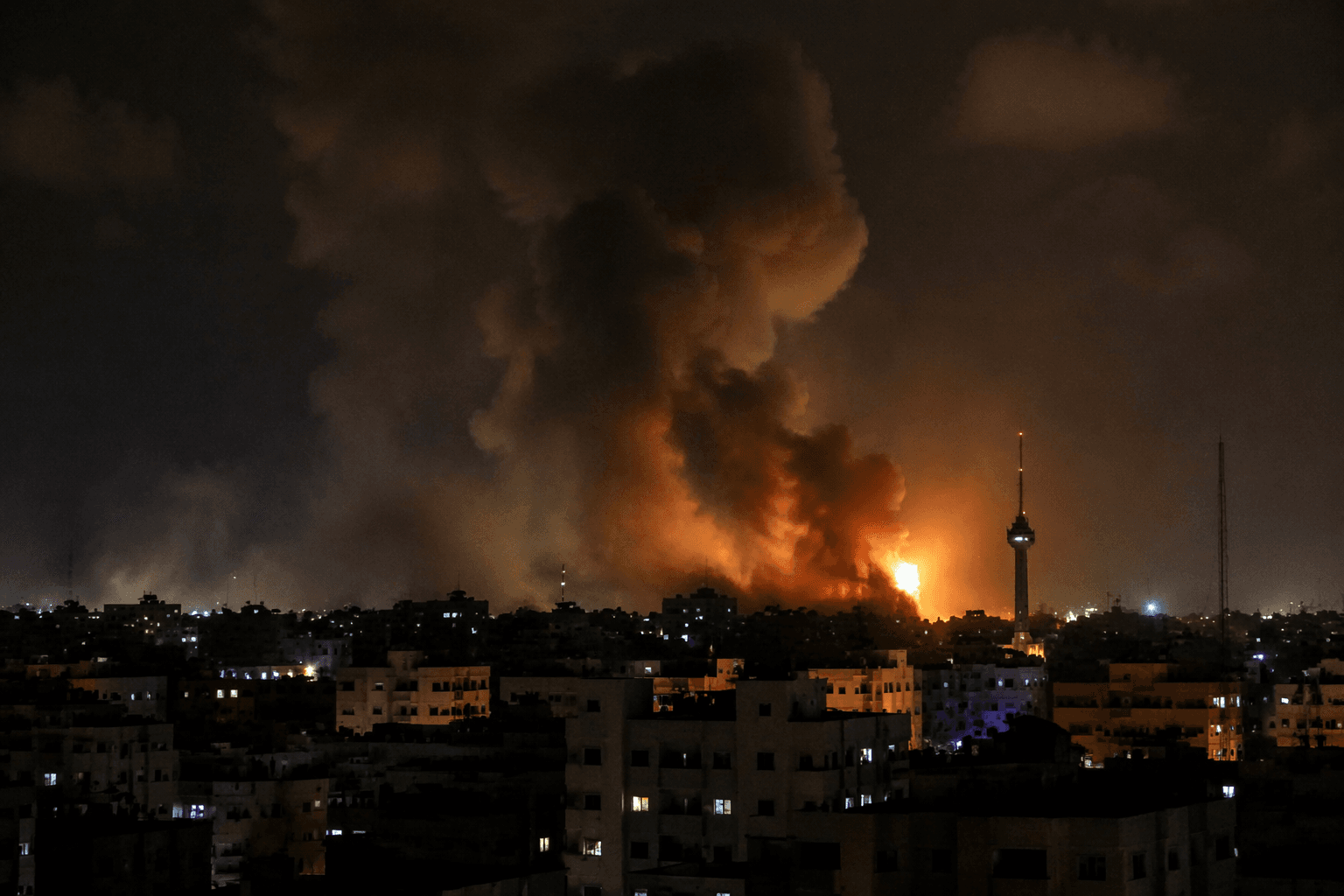
Israel struck Iranian military targets in western and central Iran hours after Iran launched missiles toward Israel, a rapid exchange that showed how quickly the two sides moved from attack to counterstrike. The Israel Defense Forces said it intercepted the incoming missiles, but the exchange still marked the first direct Iranian missile attack on Israel since an April ceasefire and raised fresh fears that the truce could collapse.
Blasts were reported in Tehran, Tabriz and Isfahan as Israeli aircraft hit what the military described as Iranian military targets. The speed of the response signaled a familiar message from Jerusalem: any direct strike on Israel will be met with force, even if the initial attack is intercepted. For Tehran, the missile launch sent the opposite signal, that Iran was willing to step out of the shadows of proxy warfare and confront Israel more openly.
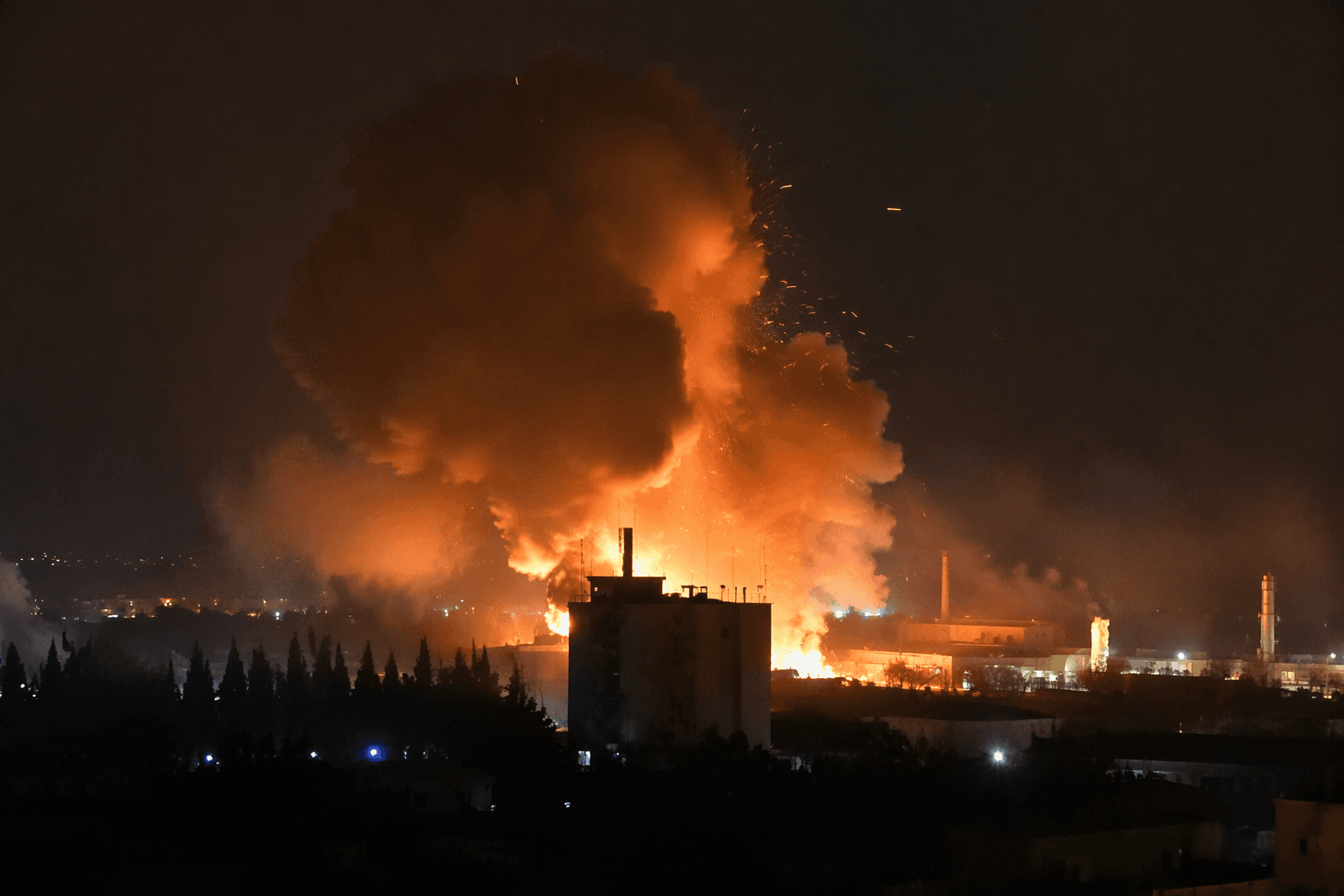
The confrontation came after an earlier Israeli strike in Beirut, adding another layer of pressure to a region already stretched by overlapping fronts. U.S. officials said they were monitoring the situation and urged de-escalation, reflecting concern in Washington that the exchange could pull the wider region into another round of conflict. NBC News and other outlets said the latest back-and-forth revived fears that the fragile ceasefire was already unraveling in real time.
The stakes are especially high because this was not an isolated episode. In October 2024, Israel carried out three waves of predawn strikes in Iran, hitting air-defense systems and missile manufacturing facilities while avoiding nuclear and oil facilities. NBC News later reported that satellite imagery suggested those attacks damaged key ballistic-missile production and air-defense sites near Khojir and Parchin. That history matters now because it shows both the scale of Israel’s reach and the limits of deterrence: even after damaging strategic assets, the confrontation returned.
Michael Knights of the Washington Institute for Near East Policy and other analysts have warned that the most dangerous next move would be another round of direct strikes that widens the conflict beyond tightly controlled retaliation. The current exchange, with missiles launched, intercepted and answered within hours, suggests that both sides are still testing how far they can go without triggering a broader war. What remains unsettled is whether either side still believes the other can be deterred.
This article was produced by Prism’s automated news system from verified source data, official records, and press releases, then run through automated quality and moderation checks before publishing. The system is built and supervised by the people who set the standards it runs under. Read our full AI policy.
Know something we missed? Have a correction or additional information?
Submit a Tip