Israel retaliates after Iran missile attack, raising war fears
Iran’s 180-200 missile barrage pushed Israel-Iran tensions into a more dangerous direct exchange, with U.S. officials urging restraint as oil markets and regional stability came under strain.

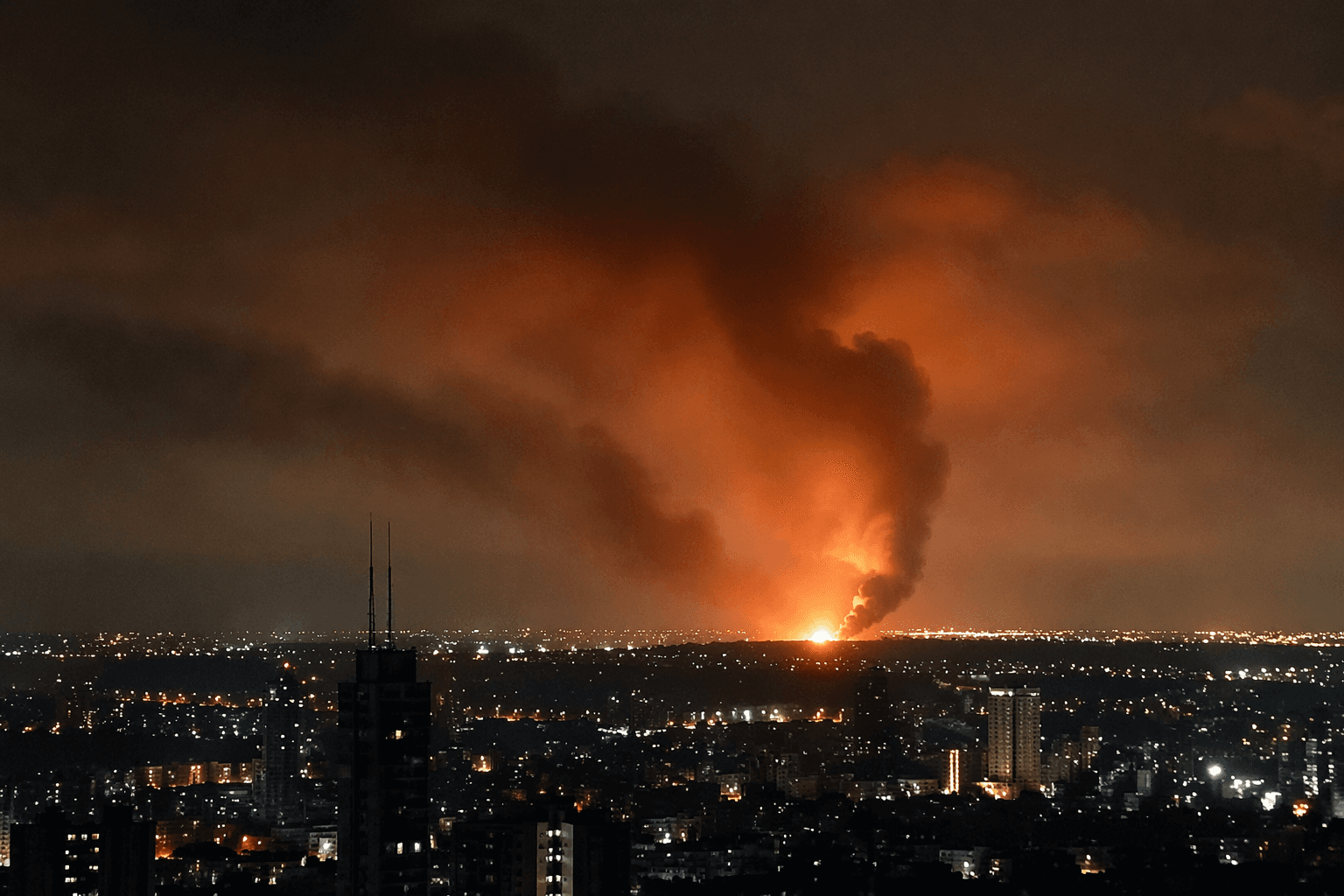
Iran’s volley of roughly 180 to 200 ballistic missiles did not overwhelm Israel’s defenses, but it did push the confrontation with Tehran into a more dangerous phase. Millions of Israelis rushed to bomb shelters as air defenses, with U.S. help, intercepted most of the missiles, and Israeli officials said the damage and casualties were limited. The question now is whether Israel’s response stays contained or opens the door to a broader regional war.
The missile strike came after Israel killed Hezbollah leader Hassan Nasrallah in Beirut and Hamas political chief Ismail Haniyeh in Tehran, turning an already volatile confrontation into a direct state-to-state exchange. Iranian officials said the attack was retaliation for those killings, and Israeli leaders vowed to answer in kind. Benjamin Netanyahu said Iran would pay for it, while Israeli officials signaled that retaliation would come within days and that oil production facilities and other strategic sites were under discussion.
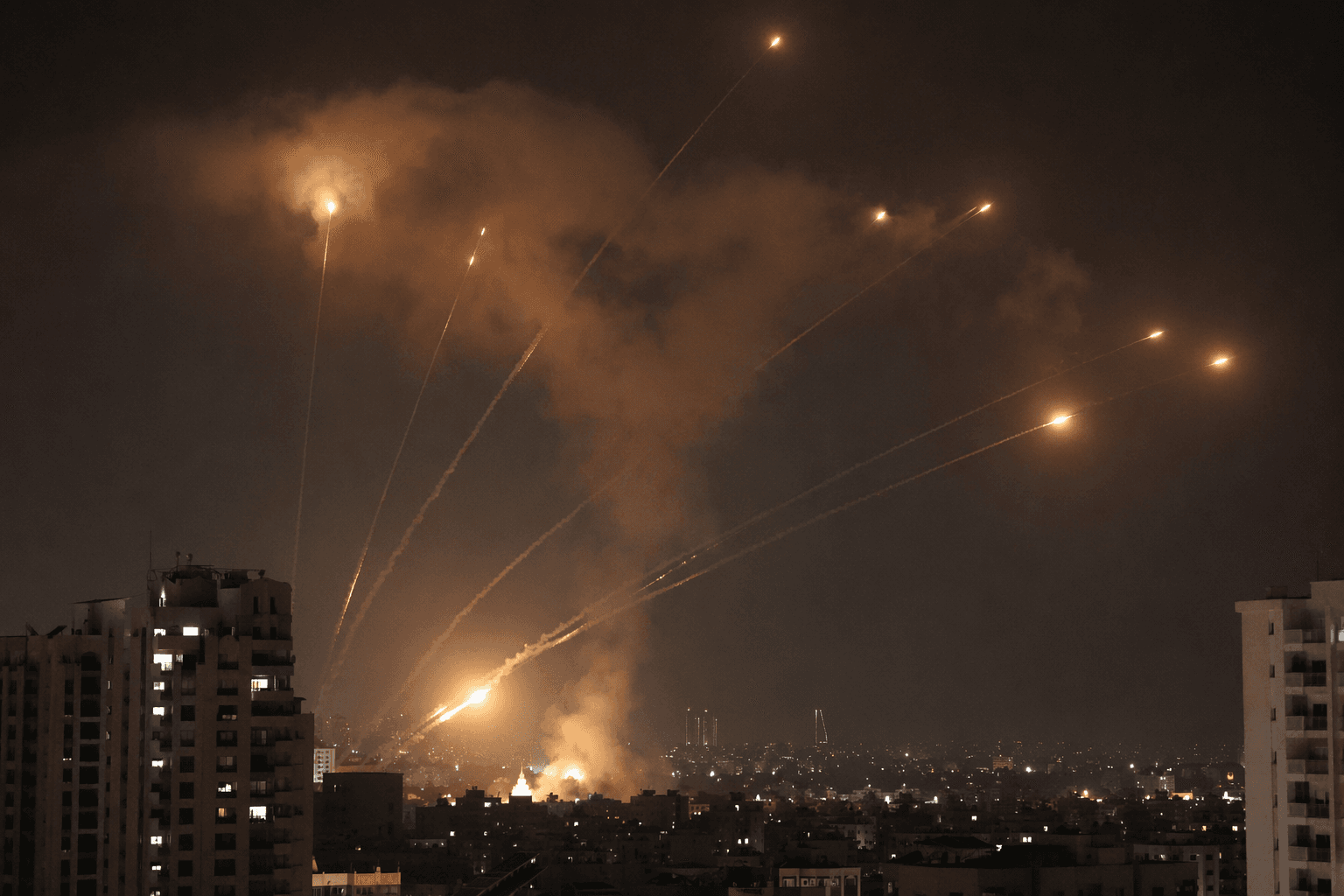
For Washington, the immediate danger was twofold: protecting U.S. interests in the region and preventing the fighting from spilling into energy markets and shipping routes. Joe Biden ordered the U.S. military to help Israel defend itself and opposed Israeli strikes on Iran’s nuclear facilities, urging a proportional response instead. The stakes were not just military. Reuters, CNBC and other coverage linked the exchange to immediate market anxiety, with oil prices rising as traders weighed the risk that a wider conflict could threaten Middle East supply lines.
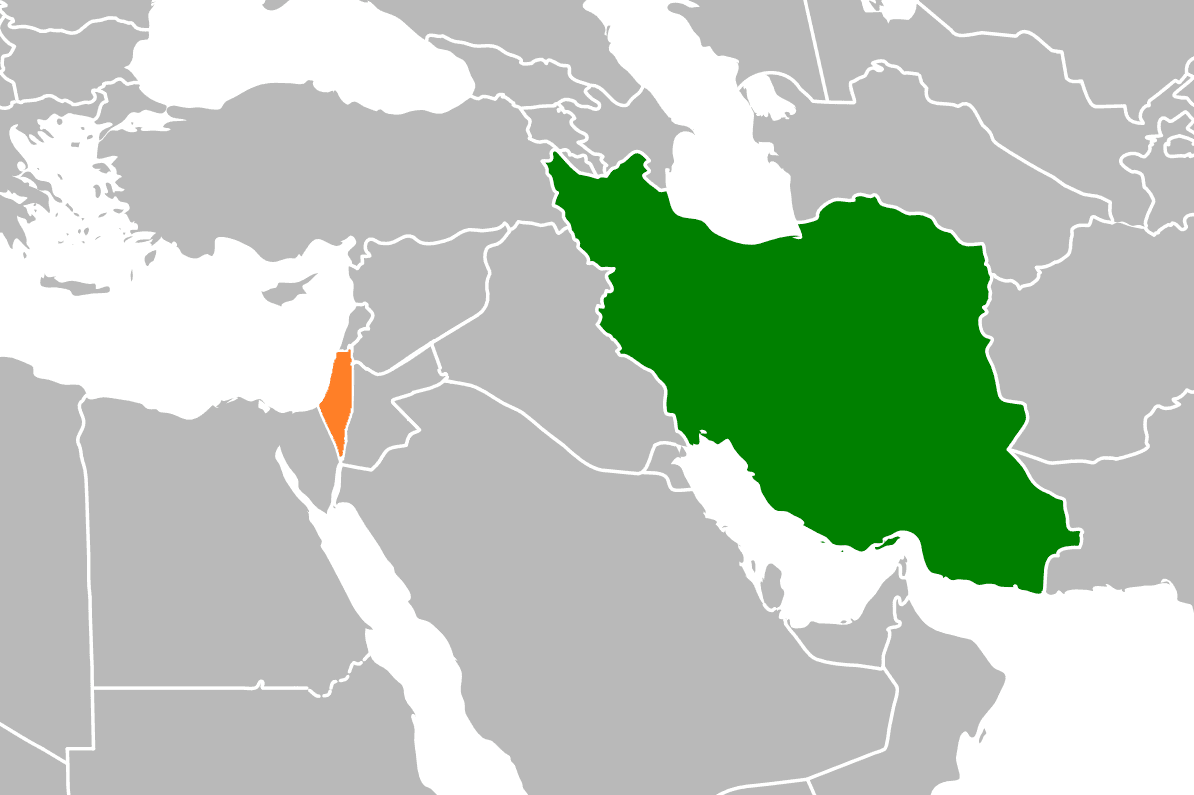
The episode also underscored how far the conflict had moved from proxy warfare. Reuters had reported in April 2024 that an earlier Iran-Israel exchange marked the first direct attack between the two since a ceasefire, and the October barrage was described as Iran’s second direct strike on Israel in 2024. That progression matters strategically: each round of direct fire makes miscalculation more likely and narrows the space for diplomacy.
For now, the missile attack appeared to have fallen short of Iran’s full military aims, but it still forced every major actor to signal red lines. Israel wanted to show deterrence. Iran wanted to show reach. The U.S. wanted to keep the conflict from spreading. Whether those goals can all hold at once will determine if this remains a contained exchange or the opening of a wider regional war.
This article was produced by Prism’s automated news system from verified source data, official records, and press releases, then run through automated quality and moderation checks before publishing. The system is built and supervised by the people who set the standards it runs under. Read our full AI policy.
Know something we missed? Have a correction or additional information?
Submit a Tip