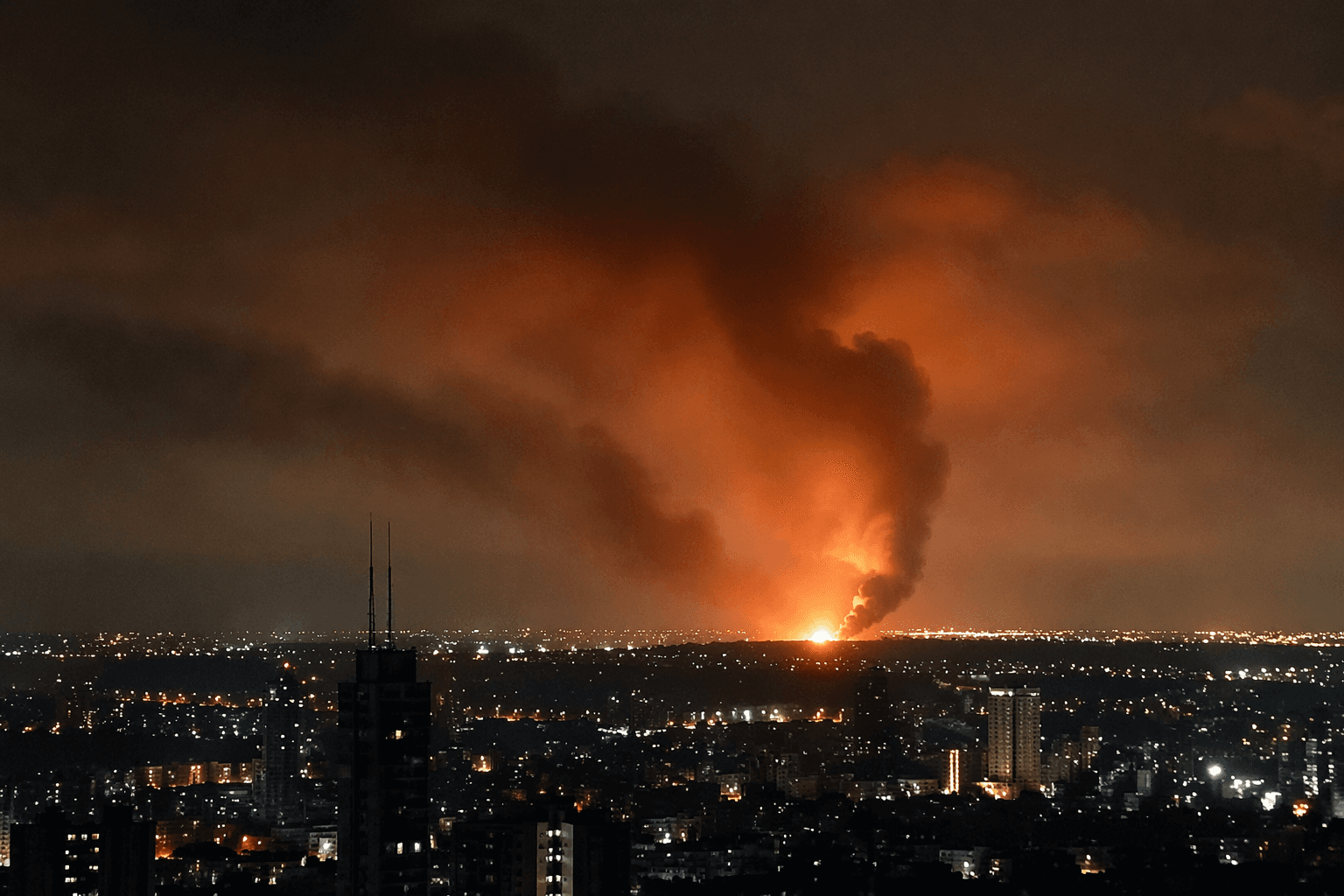
Israel strikes Iran after missile barrage, stoking wider war fears
Israel hit military targets in central and western Iran after a missile barrage, while Tehran shut its airport airspace and Saudi Arabia briefly sounded alerts.
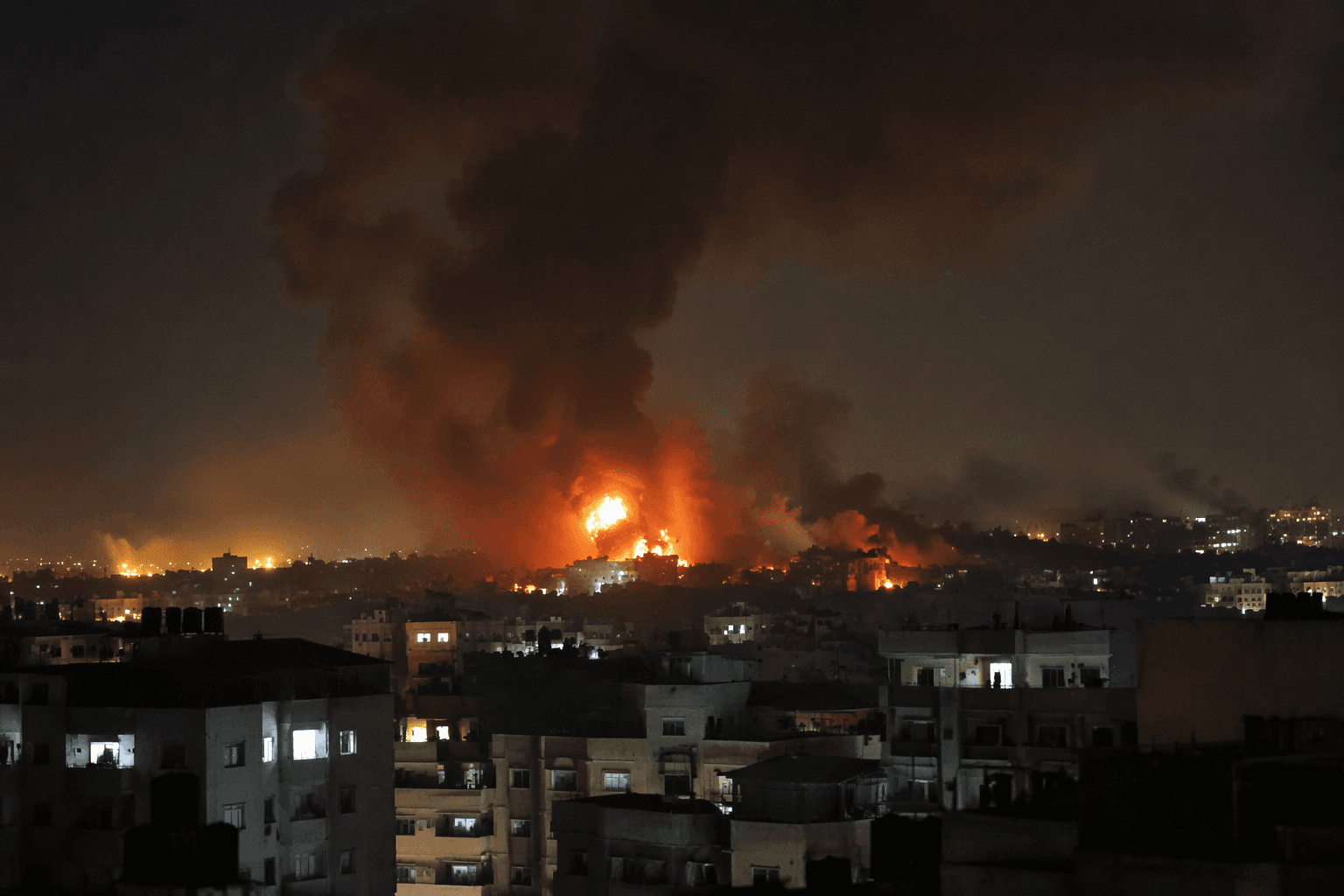
Israel launched airstrikes on military targets in central and western Iran after Iran fired missiles at Israel, sending fresh shock waves through a conflict that had already shaken Lebanon and strained ceasefire efforts. Iranian state television reported explosions in Isfahan, Tabriz and Tehran, and Iran closed the airspace around Imam Khomeini International Airport after the attack.
The exchange followed Iran’s first missile barrage at Israel since a fragile ceasefire took effect in early April. Israeli military officials said the Iranian missiles came in response to Israel’s strikes on Beirut’s southern suburbs, a reminder that the confrontation has been braided together with the war against Hezbollah in Lebanon and with separate efforts to stop the fighting from spreading further.
Details on damage inside Iran remained limited after the strikes. Iranian officials initially gave no account of what had been hit, while Iranian state media said the Revolutionary Guard claimed Israel used air-launched ballistic missiles. The Israeli military said its operation was aimed at military sites in western and central Iran, underscoring that both sides appeared to be calibrating their messages even as the risks of escalation rose.
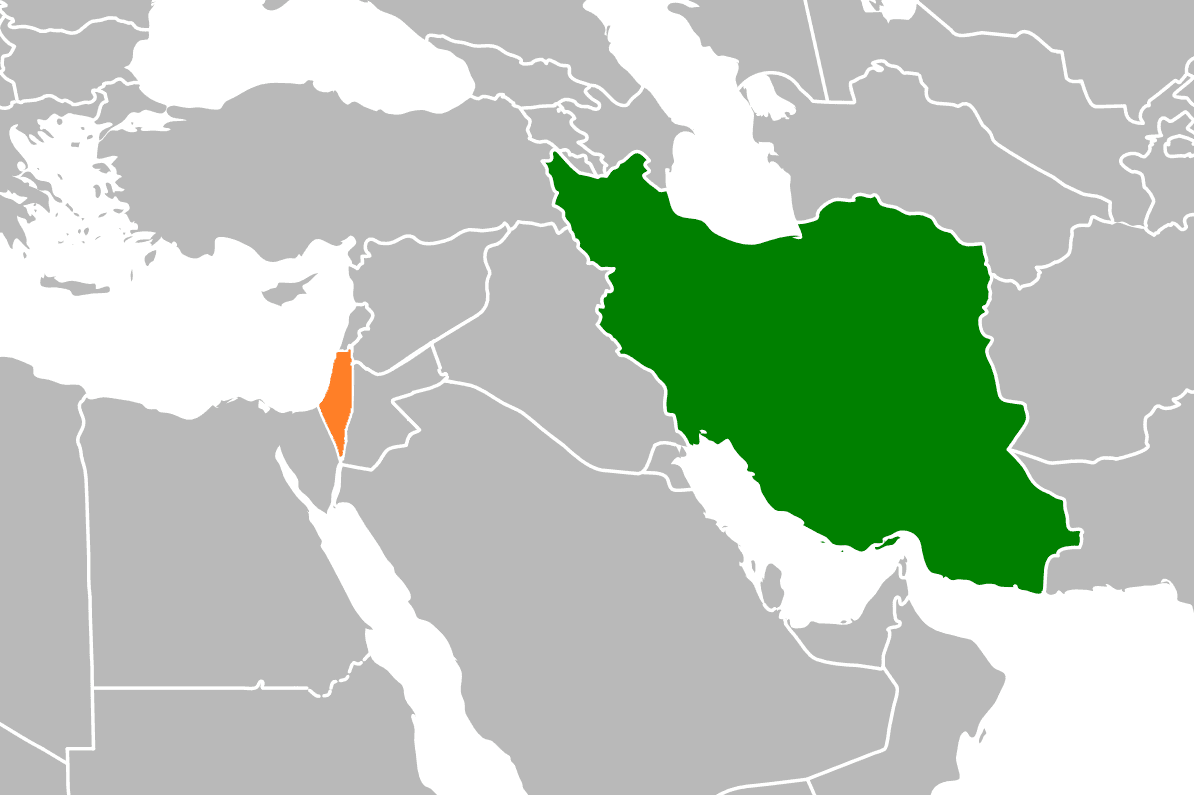
The regional spillover was visible beyond Iran and Israel. Saudi Arabia briefly issued missile alert sirens in the Al Kharj area, near Prince Sultan Air Base, before later saying the danger had passed. That brief warning showed how quickly the fighting could unsettle neighboring states and strategic military sites across the Gulf, even without a direct strike on Saudi territory.
The timing also sharpened fears that the ceasefires that had calmed parts of the conflict were fraying. A fragile ceasefire in the Iran war was announced on April 7, and a separate Israel-Lebanon ceasefire was announced on April 17. By June 7, both Hezbollah and Iran had fired at Israel, Israel had struck Beirut’s southern suburbs and then Iran, and the latest exchange raised the prospect of a broader regional war with direct consequences for troop posture, energy markets and U.S. diplomacy. The White House did not immediately answer questions about whether the strikes were coordinated with the United States, leaving one more major question hanging over an already volatile confrontation.
This article was produced by Prism’s automated news system from verified source data, official records, and press releases, then run through automated quality and moderation checks before publishing. The system is built and supervised by the people who set the standards it runs under. Read our full AI policy.
Know something we missed? Have a correction or additional information?
Submit a Tip