Peru elects Pedro Castillo in razor-thin presidential runoff
Pedro Castillo won Peru’s runoff by about 44,000 votes, exposing a deep urban-rural split after months of political instability.

Peru’s presidential race ended in a margin so narrow that the country waited through a statistical dead heat before the count resolved in Pedro Castillo’s favor. The left-wing Free Peru candidate ultimately beat Keiko Fujimori of Popular Force by about 44,000 votes, or 50.13% to 49.87%, after more than 17 million valid ballots were cast.
The runoff on June 6 came after an April 11 first round that produced no majority winner and fielded 18 presidential candidates, the most since 2006. That crowded field fractured the electorate and sent Castillo and Fujimori into a second round that quickly became a referendum on Peru’s divided politics, with voters split sharply between the capital and the interior, between more affluent districts and poorer provinces, and between competing visions of the country’s future.
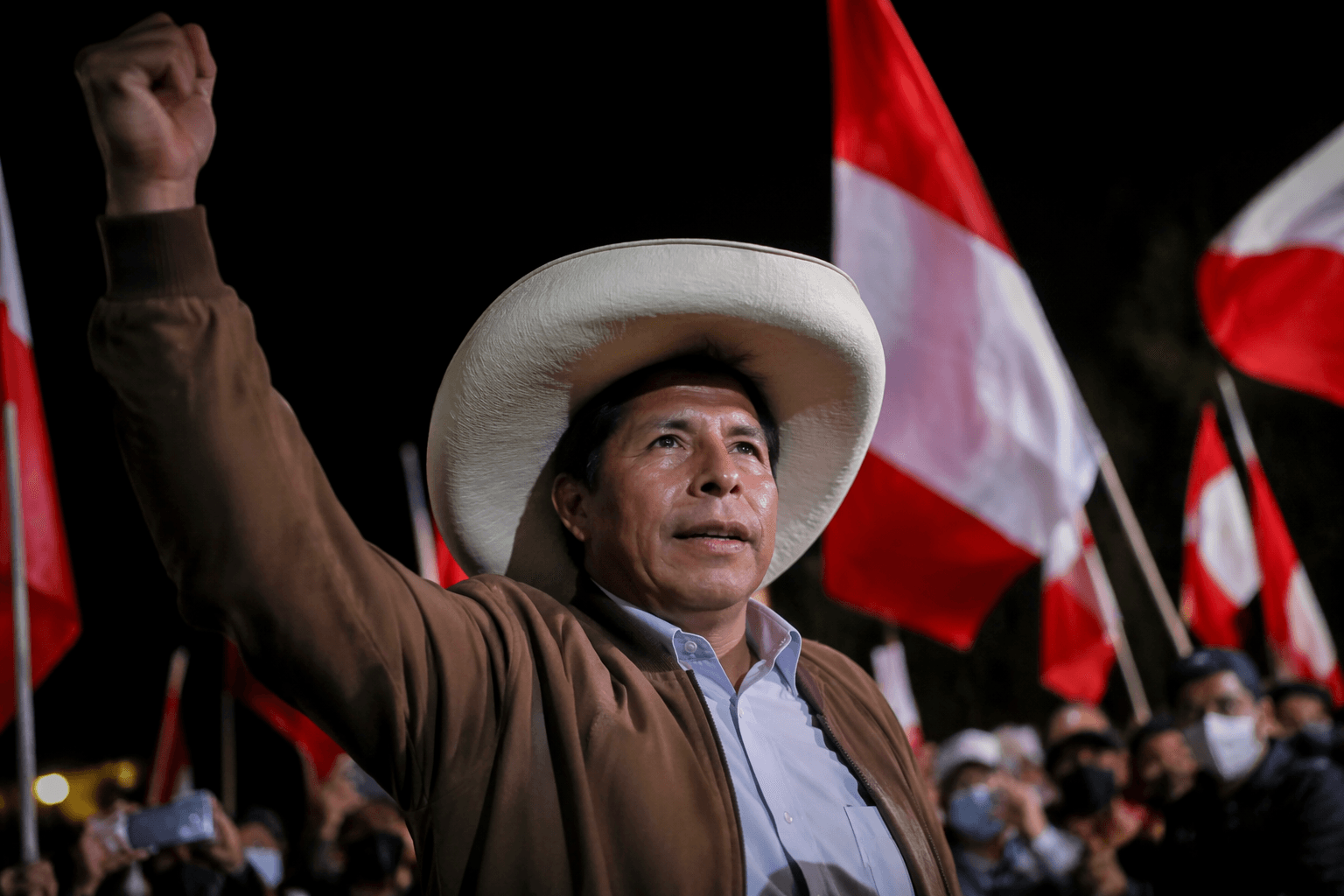
The ballots were cast against a backdrop of repeated presidential turnover, impeachment crises, corruption scandals and the strain of the pandemic. Insecurity, instability, inequality and governance dominated the campaign, giving the contest a broader significance than a standard party race. The result showed how deeply those pressures had hollowed out trust in the political system.
Fujimori entered the runoff with a legacy that was both powerful and polarizing. She was 19 when she became Peru’s first lady in 1994, standing publicly alongside her father, President Alberto Fujimori. The 2021 contest was her fourth attempt to win the presidency, after losses in 2011 and 2016, and it would have made her Peru’s first female president.
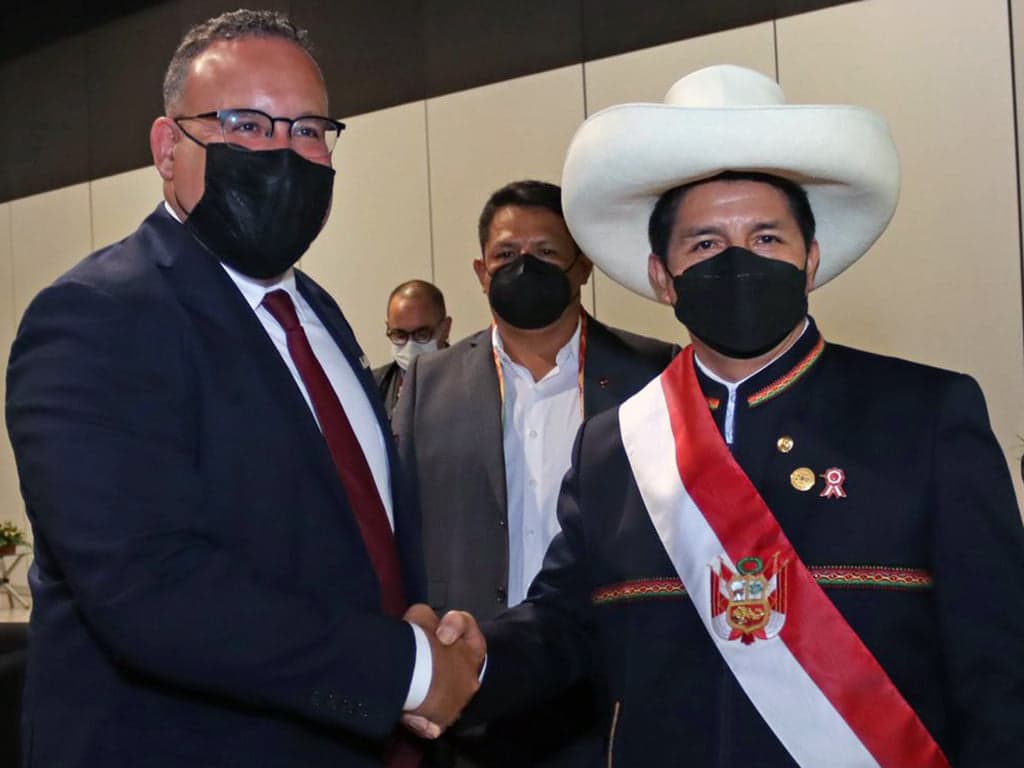
Castillo’s victory pointed in the opposite direction: away from the Fujimori family’s long shadow and toward voters in rural and poorer areas who saw in him a break with the political class in Lima. The count laid bare a country that was not simply choosing a president, but measuring two Perus against each other.
This article was produced by Prism’s automated news system from verified source data, official records, and press releases, then run through automated quality and moderation checks before publishing. The system is built and supervised by the people who set the standards it runs under. Read our full AI policy.
Know something we missed? Have a correction or additional information?
Submit a Tip