Britain local elections test Labour as nationalist right surges across Europe
Reform UK eyed big gains as Britain voted in its largest local test since Labour’s 2024 win, with cost-of-living anger and Iran-war jitters feeding the backlash.
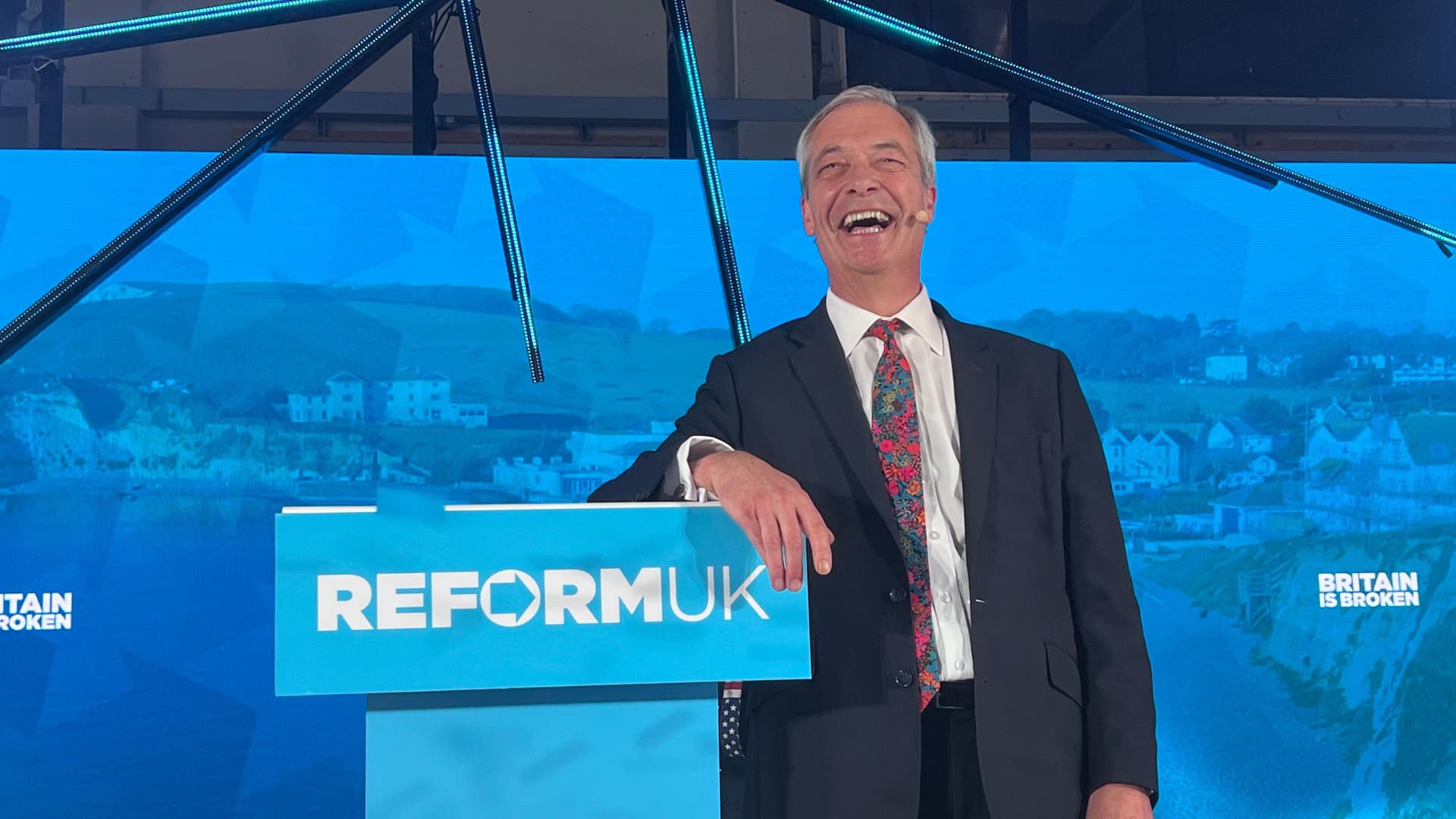
Britain’s local elections were set to show whether voter anger was being driven by foreign-policy anxiety, or whether war, inflation and energy shocks had simply become the latest outlet for a deeper revolt against the established parties. Reform UK, led by Nigel Farage, entered the contest expecting major gains as Labour braced for heavy losses and fresh pressure on Keir Starmer.
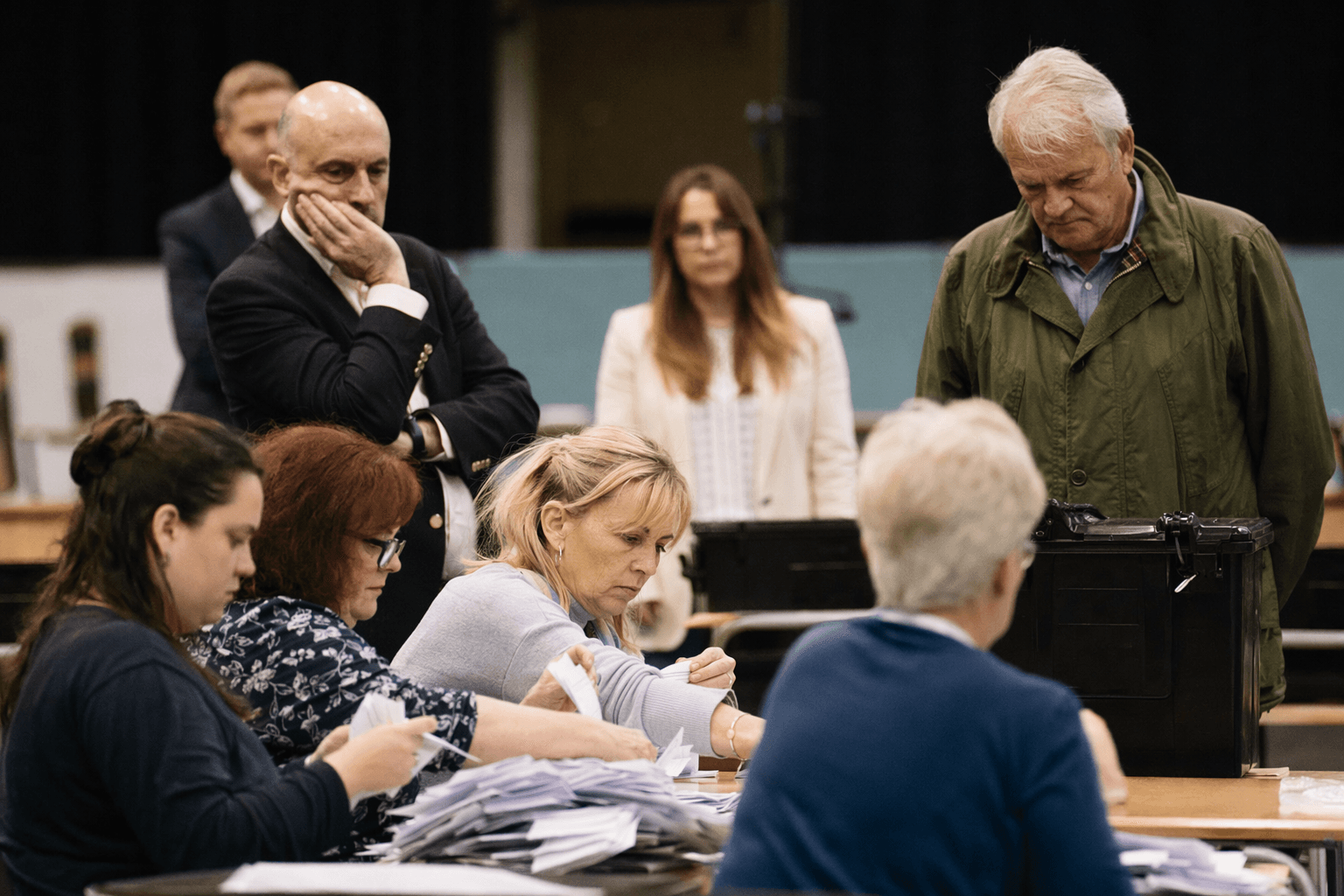
More than 5,000 councillors across 136 English councils were on the ballot on Thursday, alongside six directly elected mayors. The same day also brought elections for the Scottish Parliament and Welsh Senedd, turning the vote into a rare nationwide political test. For Labour, it was the biggest electoral challenge since its 2024 general election victory. For Reform UK, it was a chance to turn anger over immigration, living costs and frustration with the main parties into a local governing foothold.
The campaign carried an unusual procedural backdrop. The government had briefly tried to postpone some council contests during local government reorganisation, then reversed course on February 16, 2026, after a legal challenge forced the elections back onto their original schedule. That reversal left dozens of councils heading into a vote already framed by uncertainty over how local government should be organized, and by a wider sense that Westminster was scrambling to keep pace with political discontent.
The European context sharpened the stakes. Reuters reported on May 4, 2026, that oil prices jumped about 5% after Iran escalated its military campaign and struck a United Arab Emirates oil port and a South Korean vessel in the Strait of Hormuz. Two days later, Reuters reported that European shares rose as oil prices fell on optimism over possible progress toward an Iran peace deal. That swing captured the same forces now shaping the British ballot: energy costs, market volatility and the political consequences of conflict far beyond Britain’s shores.

The central question was whether voters were punishing Labour because of the war itself, or because the war had intensified household strain that was already present. Across Britain, and across Europe, nationalist parties have been trying to convert that frustration into durable support. Britain’s local results were poised to show how much of the anger belonged to foreign policy, and how much to wages, bills and distrust of the political center.
This article was produced by Prism’s automated news system from verified source data, official records, and press releases, then run through automated quality and moderation checks before publishing. The system is built and supervised by the people who set the standards it runs under. Read our full AI policy.
Did this article answer your question?

