California gubernatorial candidates face pressure over billionaire wealth tax
A one-time 5% levy on California’s 200 billionaires could raise $100 billion, but Newsom’s opposition and exit fears are reshaping the race.

A one-time tax on California’s roughly 200 billionaires could raise about $100 billion, enough to help cover Medi-Cal and other services at a moment when federal funding cuts are threatening the state budget. That revenue promise is now colliding with a tougher political test: whether California Democrats can turn inequality politics into a tax plan that can survive both the ballot box and the law.
The proposal under discussion would impose a 5% tax on billionaire wealth, a levy supporters say would fall on a tiny slice of the state’s population while delivering a huge windfall for public programs. Progressive lawmakers, unions and health advocates are pushing the idea as a way to shore up Medi-Cal and blunt the effect of Washington cuts. But the plan immediately raises a practical question that will dominate the governor’s race: whether the richest Californians would simply move their money, and possibly themselves, out of the state.
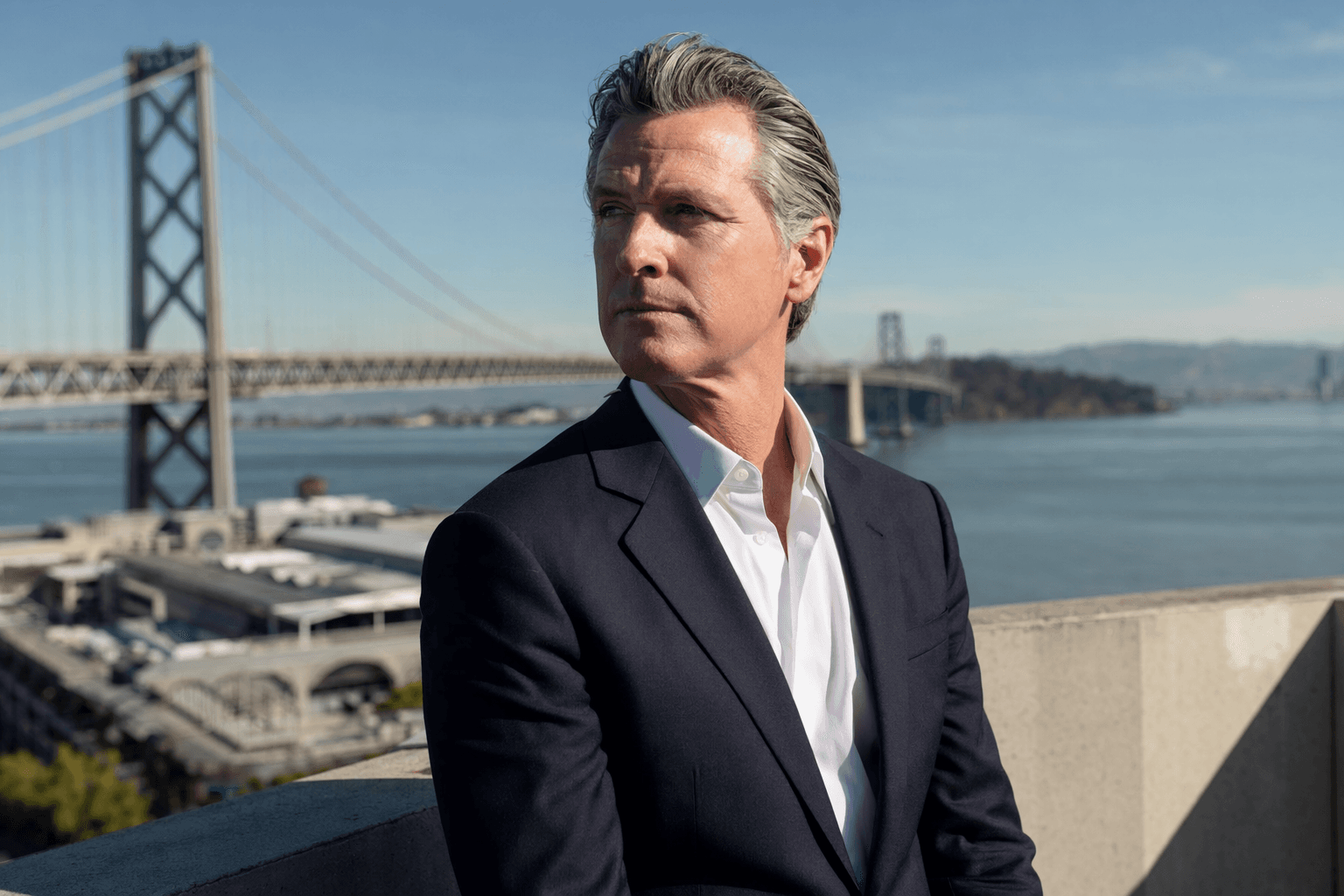
Gov. Gavin Newsom has already said he will oppose the billionaire wealth-tax initiative, putting him at odds with the activists and labor allies pressing for a more aggressive approach. Leading Democrats have warned that a wealth tax could encourage wealthy Californians to leave, a warning that underscores the enforcement challenge at the center of the debate. Even backers acknowledge that taxing paper wealth is not as straightforward as taxing wages or sales, and experts have said the measure would not be a cure-all for California’s long-term budget gap.
Bernie Sanders injected the fight with national weight by rallying in Los Angeles in support of the billionaire-tax effort. His appearance turned a state tax dispute into a broader progressive cause, linking California’s debate over wealth taxation to a national argument over who should pay for health care and public services. The political split is already visible: activists and labor groups want a wealth-based solution, while top Democrats are wary of the economic and legal fallout.
The timing makes the stakes sharper. California’s statewide primary is set for June 2, 2026, and gubernatorial candidates will have to tell voters whether they want to back a tax on the state’s richest residents or reject a plan that could become a defining test of Democratic governance. The fight is no longer just about taxing billionaires; it is about whether California can design a wealth tax that raises real money without driving away the base that would pay it.
This article was produced by Prism’s automated news system from verified source data, official records, and press releases, then run through automated quality and moderation checks before publishing. The system is built and supervised by the people who set the standards it runs under. Read our full AI policy.
Did this article answer your question?

