Britain, Netherlands, Finland and Poland advance new defence pact by 2027
Britain, the Netherlands, Finland and Poland set a 2027 target for a new defence financing mechanism as NATO leaders met in Ankara. The pact aims to speed joint procurement and munitions access.
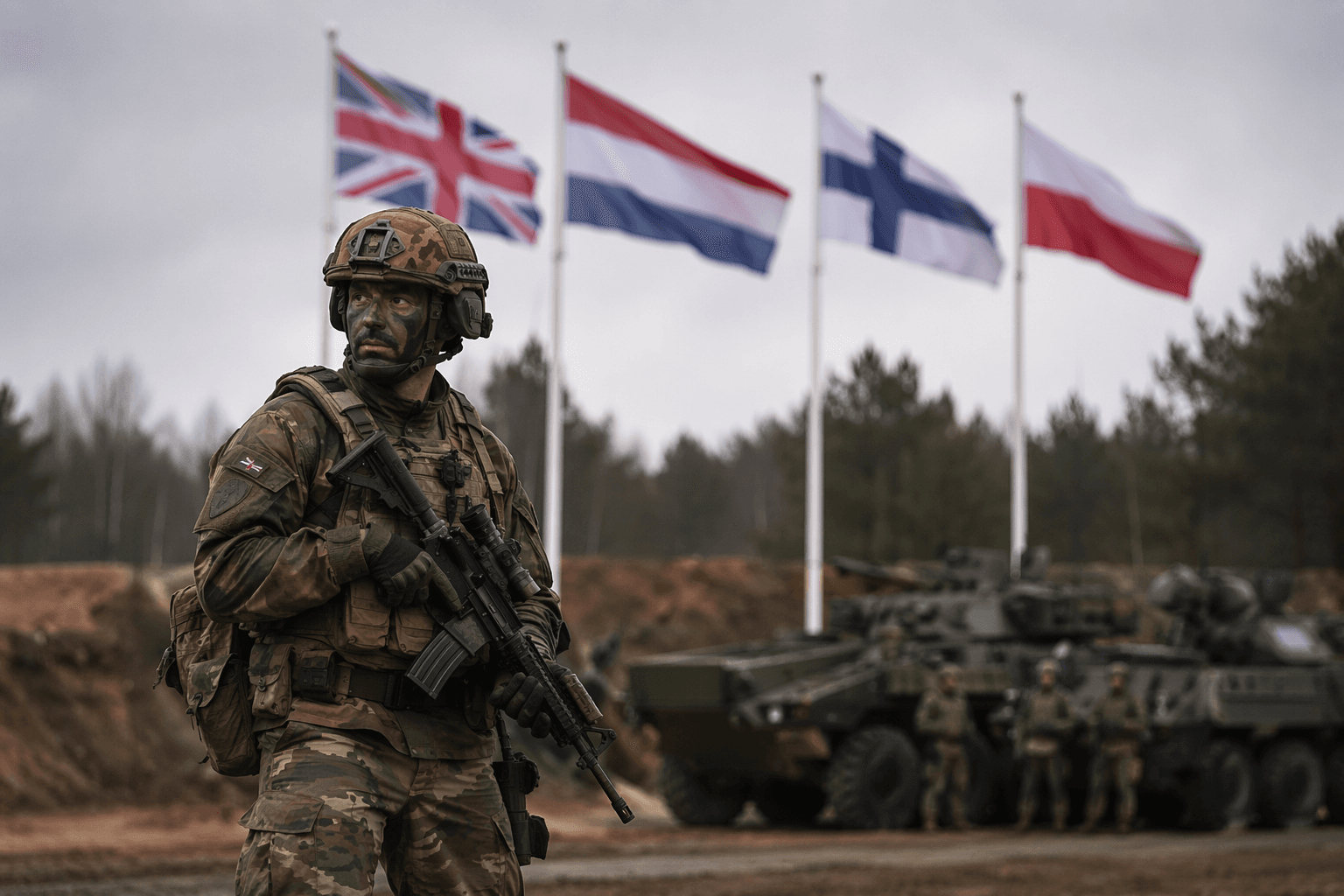
Britain, the Netherlands, Finland and Poland said on Monday that they had made significant progress on a new Multilateral Defence Mechanism and wanted it established by 2027, putting a firmer timetable on a plan that began as a narrower NATO-side proposal in March. The UK government said the goal is to strengthen defence financing and improve the cost-efficiency of defence spending, while Finland’s finance ministry said the joint statement was issued on 6 July 2026.
The mechanism is meant to fill a practical gap alongside NATO: a way to pool financing, aggregate demand and drive joint procurement rather than rely on ad hoc pledges from individual governments. In March, a core group of NATO allies, then Finland, the Netherlands and the UK with other partners, said it was exploring a new mechanism by 2027 to finance joint defence investment and procurement, accelerate defence investment and increase the availability of critical capabilities such as munitions. The earlier language also said the effort would be open to nations with strong credit standings.
Poland’s addition broadens the effort beyond the original three-country core and gives the plan more weight inside Europe’s eastern flank. The timing was deliberate. NATO leaders were gathered in Ankara as the alliance put defence investment, NATO’s role in increasing defence industrial production, support for Ukraine and multinational cooperation at the center of its summit agenda. NATO’s Defence Industry Forum was scheduled for 7 July 2026 in Ankara, bringing Allied and partner officials together with industry leaders to discuss production, investment and innovation.
The political backdrop is forcing speed. NATO Secretary-General Mark Rutte has urged allies to produce clear, concrete and credible plans to meet defence spending targets, while the summit has also unfolded under pressure from President Donald Trump for Europe to increase defence spending. That combination has sharpened the case for mechanisms that can move money and orders faster than the usual alliance process.

For Britain, the Netherlands, Finland and Poland, the appeal is straightforward: a shared financing model could make procurement more efficient, strengthen industrial planning and help lock in supply for munitions and other critical capabilities. The unanswered question is whether the Multilateral Defence Mechanism becomes a useful new tool in Europe’s defence architecture or another layer of overlapping coordination. The 2027 target gives the answer a deadline.
This article was produced by Prism’s automated news system from verified source data, official records, and press releases, then run through automated quality and moderation checks before publishing. The system is built and supervised by the people who set the standards it runs under. Read our full AI policy.
Did this article answer your question?