Thieves steal jewellery in fast raid at Musée Lalique in France
Masked thieves broke into Musée Lalique at dawn, smashed six display cases and fled with about 20 jewellery pieces worth several million euros.
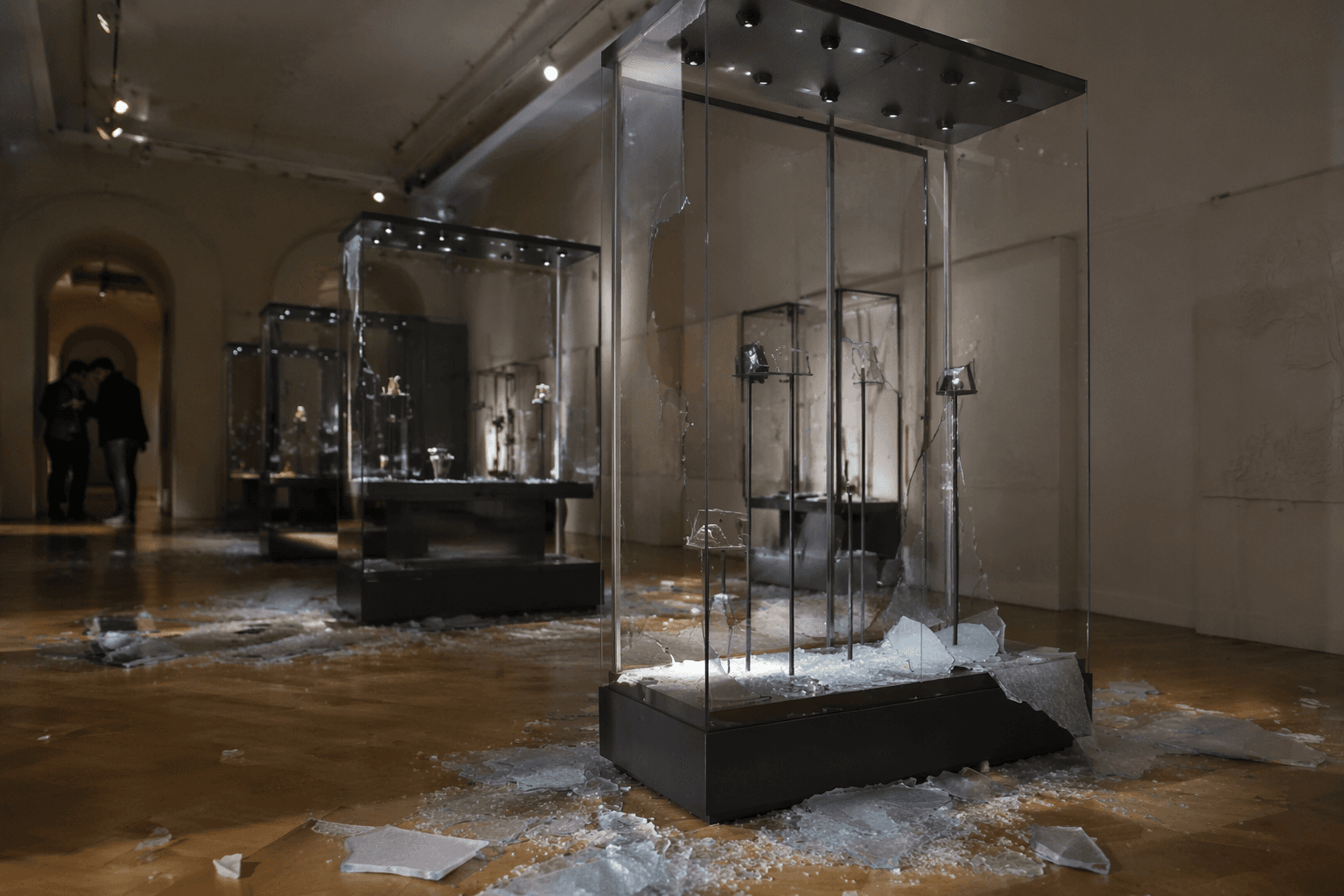
Masked thieves smashed through the door of Musée Lalique in eastern France and escaped with around 20 pieces of jewellery in a raid that lasted only minutes. The break-in at the museum in Wingen-sur-Moder, in Bas-Rhin, came around 5:30 a.m. on Sunday morning, July 5, and left six display cases shattered before the museum’s security systems were triggered.
The theft hit a collection built around the work of René Lalique and his family, giving the crime both financial and cultural weight. Musée Lalique’s holdings include more than 650 works tracing René Lalique’s career and the work of his successors, and its jewellery collection includes about sixty notable pieces. The museum was inaugurated on July 1, 2011 and is run by the Syndicat Mixte du Musée Lalique, created on January 1, 2008.
Police were studying CCTV footage as they searched for the thieves. Museum staff quickly identified what was missing after the alarm was raised, and the institution said it would remain closed for several days after the burglary. Security personnel were visible outside the site the following day.
The raid has sharpened scrutiny of how well French museums are protected against fast, targeted thefts. France’s Culture Ministry says museum security policy centers on access protection, mechanical protection, electronic detection and video surveillance, a framework meant to stop precisely this kind of attack. Yet the speed of the Musée Lalique burglary, and the apparent focus on the jewellery room, exposed how even a modern security setup can be vulnerable when a crew moves with speed and precision.
The case also arrives less than a year after a jewel heist at the Louvre stunned France. On October 19, 2025, thieves took eight pieces of the French Crown Jewels in a robbery later estimated at about €88 million, prompting promises of tighter security at the Paris museum. Together, the two cases point to a recurring problem: major cultural institutions can hold objects that are easy to carry, hard to trace and potentially impossible to recover once broken up or moved across borders.

For Musée Lalique, the immediate damage is measured in shattered cases and missing jewels. For France, it is another test of whether museums that attract international visitors and guard nationally significant collections are prepared for organized thefts that unfold in minutes.
This article was produced by Prism’s automated news system from verified source data, official records, and press releases, then run through automated quality and moderation checks before publishing. The system is built and supervised by the people who set the standards it runs under. Read our full AI policy.
Did this article answer your question?