France heatwave kills hundreds of thousands of poultry
France's heatwave killed hundreds of thousands of chickens and swamped carcass pickups in Brittany and Pays de la Loire, where nearly 60% of the flock is raised.

France’s June heatwave killed hundreds of thousands of poultry in Brittany and Pays de la Loire, the country’s two biggest poultry-producing regions. Météo-France said the episode, which began on June 17, was of unprecedented intensity in mainland France and Corsica. On June 24 and 25, France recorded its hottest days ever, with a nationwide 24-hour average temperature above 30C for the first time and afternoon averages of 38.5C and 38.0C.
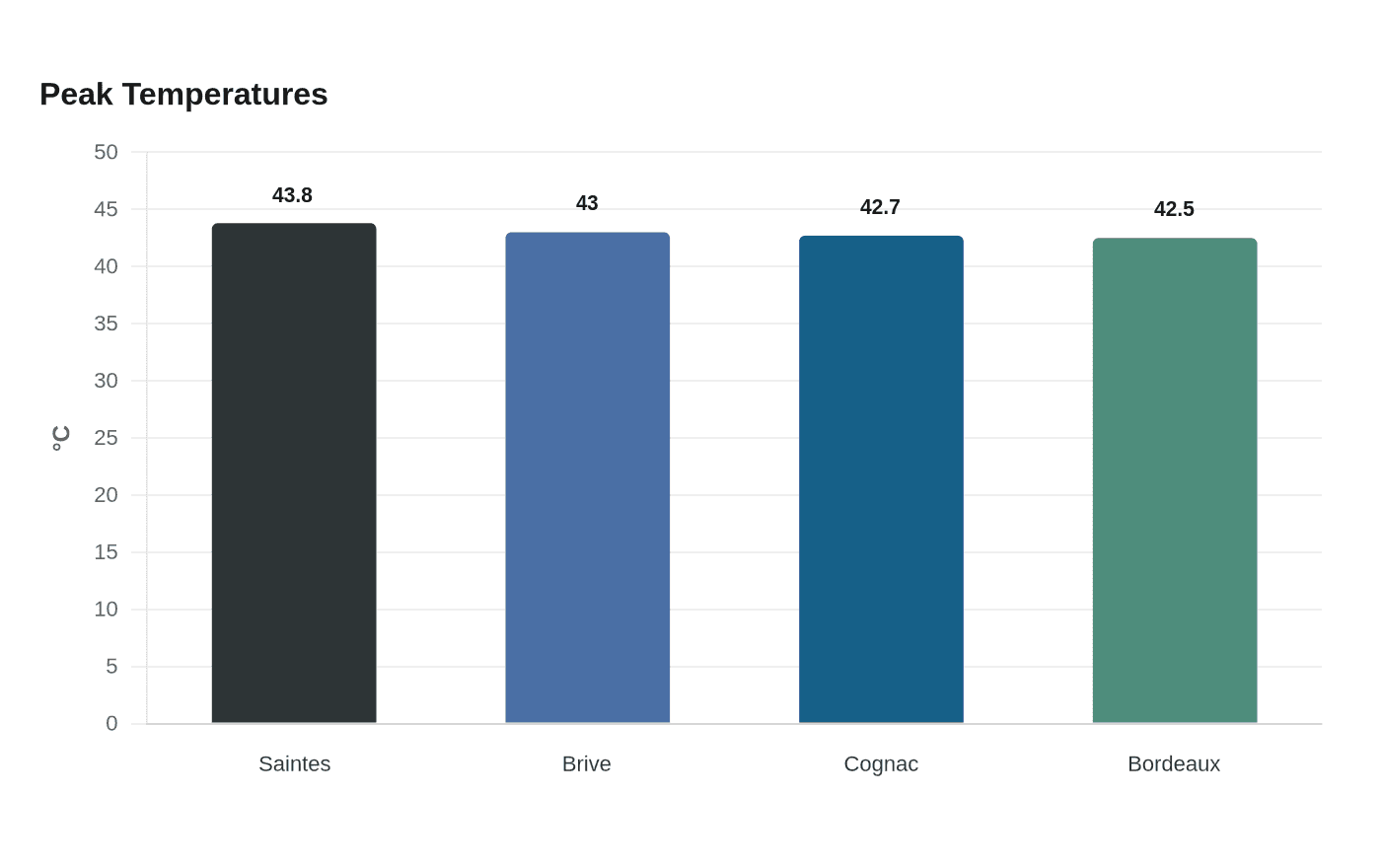
Temperatures climbed to 43.8C in Saintes, 43.0C in Brive, 42.7C in Cognac and 42.5C in Bordeaux, while Paris topped 40C on both June 24 and June 25. Brittany and Pays de la Loire together account for nearly 60% of France’s poultry flock and supply much of the country’s chicken production.
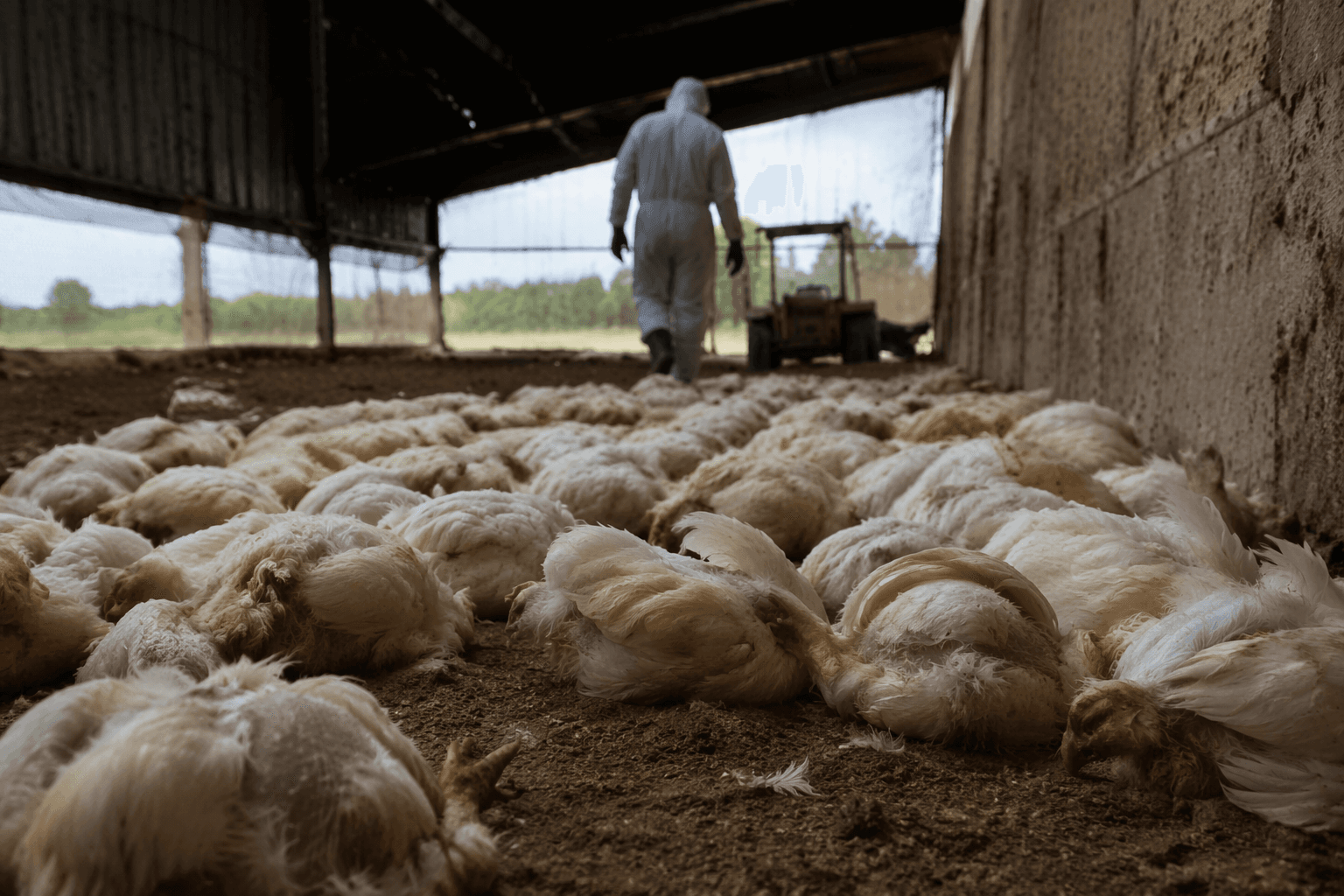
Clement Blanchard, a chicken farmer in Pays de la Loire, said he lost about 700 chickens over a few days, compared with one or two per day normally. Yann Nedelec, who heads ANVOL, said it was too early for a precise count. Carcasses are normally sent for rendering, but the system could not absorb the surge. Farmers were told to cover dead birds with sawdust or wood shavings until collection, and the government temporarily allowed some on-farm burials after technical and environmental checks.
Later estimates put the losses at 2.5 million to 3 million broiler chickens in only a few days. One separate estimate put Brittany alone at the equivalent of 6,600 metric tons of birds. France’s Health Ministry said human deaths rose by 29% during the last week of June. Météo-France said the heatwave was more intense than August 2003, even though it lasted 14 days instead of 16, and that soils in several regions were approaching their driest levels on record.
This article was produced by Prism’s automated news system from verified source data, official records, and press releases, then run through automated quality and moderation checks before publishing. The system is built and supervised by the people who set the standards it runs under. Read our full AI policy.
Did this article answer your question?