Britain prepares EU partnership bill as Starmer faces pressure at home
Britain is set to write a new legal route back toward the EU, but Keir Starmer must sell it as growth policy, not a Brexit reversal.
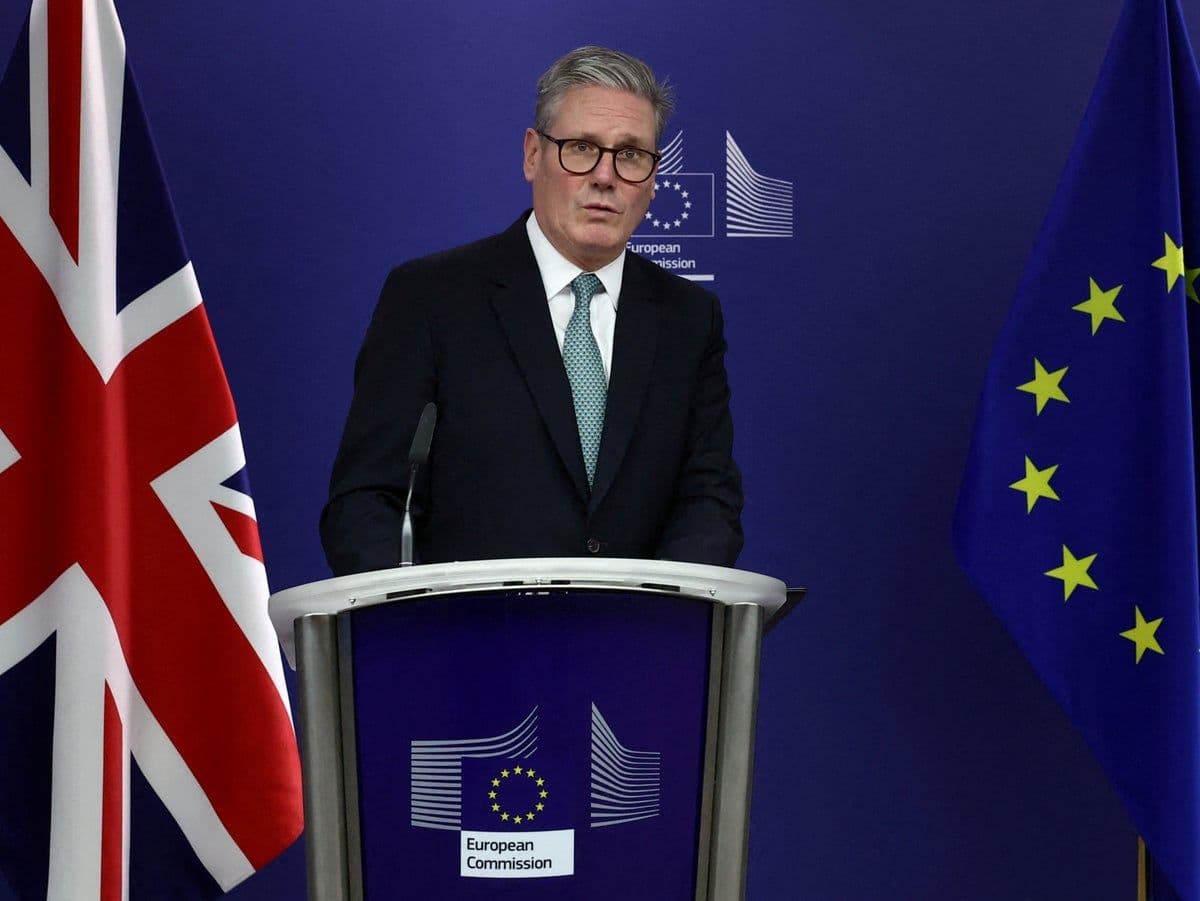
Britain is moving to lock in a new legal framework for European Union ties, a reset that could reshape food trade, energy cooperation and carbon markets while leaving Starmer exposed to a fresh fight over Brexit’s legacy. The European Partnership Bill was announced in the King’s Speech on May 13, and the government says it will let ministers implement agreements with Brussels now and in future without reopening the core Brexit settlement.
At the heart of the plan are three practical changes with direct economic consequences. Britain and the EU have already agreed to work toward a common sanitary and phytosanitary area, which would cut checks on food and drink moving across the Channel. They also plan to link emissions trading systems and explore UK participation in the EU electricity market. The government says the package could add nearly £9 billion to the economy by 2040, while arguing that easier trade would make food cheaper, reduce red tape and improve access to the bloc’s market.
The stakes are highest in sectors hit hardest since Brexit. Government material says the EU is Britain’s largest agri-food market, yet UK exports to the bloc fell 21% between 2018 and 2024 and imports dropped 7% over the same period. That is why farming groups are pressing for detail, not slogans. The National Farmers’ Union has urged ministers to secure a workable SPS deal that reduces border friction without disrupting farmers, while the British Chambers of Commerce said the May 2025 summit marked a turning point in UK-EU relations.
Starmer is trying to make the reset sound like pragmatism, not reversal. He has said Britain’s departure from the EU in 2020 should not be reopened, and the bill keeps the government’s red lines intact: no return to the single market, no customs union and no restoration of freedom of movement. Parliament would still get a say before any EU law is applied in the UK and before any new treaty arrangements under the bill take effect, a safeguard designed to blunt accusations that Whitehall is handing powers back to Brussels by stealth.
That argument will be tested against politics, not policy charts. Labour has just suffered heavy losses in Scottish, Welsh and local English elections, and some lawmakers are openly questioning Starmer’s leadership. He said on May 10 that his government was a “10-year project” despite pressure to resign, a message aimed at steadying his party but unlikely to satisfy critics who see a leader already under strain. The new bill offers Starmer a chance to show that closer EU ties can deliver growth without reigniting the old Brexit war, but the balance between economic gain and political backlash remains fragile.
This article was produced by Prism’s automated news system from verified source data, official records, and press releases, then run through automated quality and moderation checks before publishing. The system is built and supervised by the people who set the standards it runs under. Read our full AI policy.
Did this article answer your question?