House passes bill to allow year-round E15 gasoline sales
The House backed year-round E15 in a 218-203 vote, setting up a Senate fight over whether cheaper fuel is worth a win for corn and ethanol interests.
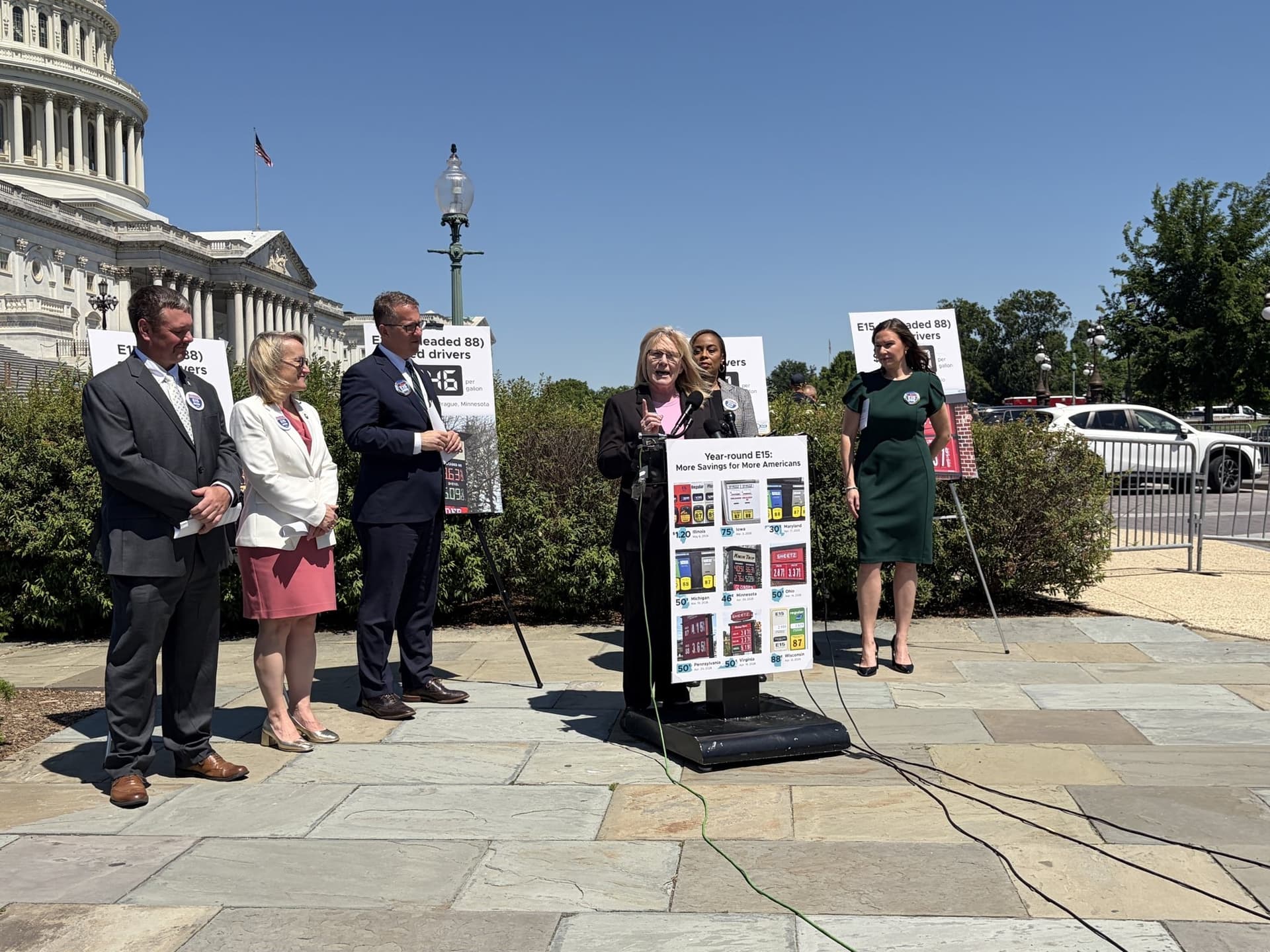
The House voted to make E15 legal year-round nationwide, a move supporters say could give drivers more fuel options and lower-cost gasoline while delivering a clear win for corn-state interests.
The bill, the Nationwide Consumer and Fuel Retailer Choice Act, passed 218-203 on May 13, 2026, with 95 Democrats, 122 Republicans and one independent in favor. E15 is a blend of up to 15% ethanol and 85% gasoline. Under current law, it is generally barred from summer sales from June 1 through September 15 because it does not meet federal Reid vapor pressure limits meant to control fuel volatility and smog under the Clean Air Act.

For ethanol producers, corn growers and rural lawmakers, the vote marked the strongest progress in years on a fight that has repeatedly stalled in Congress. Supporters have long argued that the seasonal restriction complicates fuel distribution for retailers and creates uncertainty for ethanol plants and farmers who depend on steady demand. The House had already approved a separate farm bill on May 13, but without the E15 language, leaving this issue to stand on its own.
The practical case for year-round E15 has been sharpened by the Environmental Protection Agency’s nationwide emergency waiver, issued on March 25 to allow summer E15 sales beginning May 1, 2026. The agency said the waiver was needed to prevent disruption in the fuel supply and cited extreme and unusual fuel circumstances tied in part to Middle East disruptions. That temporary fix has strengthened the argument from backers who want a permanent rule instead of another summer patch.
The bill also folds in changes to the Small Refinery Exemption process under the Renewable Fuel Standard, a key reason some oil refiners and Republican hard-liners objected. According to bill summaries, starting January 1, 2028, qualifying refineries would get an automatic 75% exemption from their RFS obligations, EPA hardship-based exemption authority would end after 2028, and 75% of exempted volumes would be reallocated to other refiners.
The split exposed the policy’s winners and losers. The American Petroleum Institute backed the package and urged Senate action, while the Renewable Fuels Association hailed the vote and the 218 House members who supported year-round, nationwide sales of lower-cost E15. Senate approval and a presidential signature are still needed, and the fight now shifts to Washington, where drivers, refiners, ethanol producers and air-quality advocates will press their competing claims.
This article was produced by Prism’s automated news system from verified source data, official records, and press releases, then run through automated quality and moderation checks before publishing. The system is built and supervised by the people who set the standards it runs under. Read our full AI policy.
Did this article answer your question?

