Britons flock to Montenegro and Albania as cheaper, quieter Croatia alternatives
Montenegro and Albania are selling the Adriatic dream at lower prices, but flights, crowds and peak-season costs still decide the deal.
The new Adriatic bargain hunt
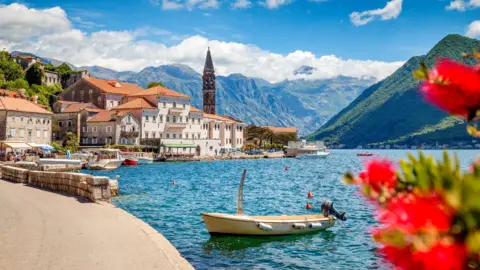
Britons are increasingly looking past Croatia for a quieter, cheaper stretch of the Adriatic coast, and Montenegro and Albania are the main beneficiaries. The appeal is easy to understand: both destinations promise beaches, scenery and heritage without the volume of visitors that now defines much of Croatia, but the savings only matter if the whole trip adds up.
Montenegro and Albania are rising because they fit a simple holiday brief: familiar Mediterranean weather, lower headline prices and fewer crowds. Croatia still sets the regional standard, but its scale also makes it the comparison point for congestion and cost, which is exactly why the phrase “Croatia, but cheaper” keeps sticking.
Montenegro: smaller scale, easier entry, real crowd relief
Montenegro’s tourism numbers show a destination that is already well beyond niche status. In 2024, the country recorded 2,606,854 tourist arrivals and 15,594,299 overnight stays. That works out at just under six overnight stays per arrival, a sign of a market built around longer coastal breaks rather than quick stopovers.
British travellers already make up a noticeable slice of the market. UK tourists accounted for 3.8% of foreign overnight stays in Montenegro in 2024, a share that suggests the country is firmly on the UK holiday map without becoming saturated. The attraction is obvious for anyone chasing the Adriatic without the busiest Croatian hotspots: the same sea, a lighter footprint and a strong price message.
Access also helps. The UK Government Foreign, Commonwealth & Development Office says British citizens can visit Montenegro without a visa for short stays, which removes one more barrier for a spontaneous beach break. That ease of entry matters because value is not only about the room rate, it is also about friction, time and administrative hassle.
The reality check comes when the trip is broadened beyond the beach hotel. Montenegro’s smaller scale can mean thinner transport networks, more limited choice outside the best-known resorts and less room for error in peak weeks. If flights are expensive or the itinerary depends on multiple transfers, the “cheaper than Croatia” pitch can narrow quickly.
Albania: the fastest-moving challenger
Albania is the other country turning the Adriatic bargain narrative into hard numbers. The country recorded 11.7 million foreign visitors in 2024, according to its tourism ministry, up 15.2% from 2023. That pace of growth is not a small-market curiosity, it is a signal that more holidaymakers are discovering a destination that once sat well outside the main Mediterranean circuit.
That surge matters because it suggests Albania is moving from insider tip to mainstream alternative. The country is being marketed to travellers who want coastline, mountain scenery and a less crowded feel than the established Croatian coast, all while keeping spending in check. The strongest case for Albania is not that it is the cheapest possible option in every scenario, but that it can offer more holiday for the money when compared with a saturated and better-known rival.

Still, fast growth brings its own costs. As more visitors arrive, the best-known coastal areas can see prices rise, especially in the main summer months. That is where the value test becomes more demanding: a lower-cost destination can stop feeling cheap once demand concentrates around a short peak season and the most accessible beaches.
Croatia still sets the benchmark
Croatia remains the reference point because it is operating on a much larger scale. The country recorded 21.3 million visitors in 2024 and 108.7 million overnight stays, figures that underline both its popularity and the intensity of its tourism market. It is also still generating serious revenue, with foreign tourist revenues for the first nine months of 2024 reaching €13.19 billion.
Those numbers explain why nearby Balkan destinations are pitching themselves against Croatia rather than against one another. Croatia’s tourism machine is deeper, better known and more developed, but that strength also comes with the pressures of scale. The same popularity that makes Croatia reliable for beach holidays also makes it the benchmark for higher prices, fuller resorts and harder-to-ignore summer crowds.
By comparison, Montenegro’s 2.6 million arrivals and Albania’s 11.7 million foreign visitors show smaller markets with more room to market themselves as alternatives. That gap is exactly what gives the “quieter Croatia” story its force.
How to judge whether the savings are real
The cheapest-looking option is not always the cheapest trip. For British holidaymakers, the real comparison should include flights, airport transfers, local transport and the premium that comes with peak-season demand. A low nightly rate can be undermined quickly if getting to the resort is awkward or if the busiest weeks push prices close to Croatian levels.
A practical way to test the value proposition is to compare three things side by side:
- The total package cost, not just the hotel price
- The length and complexity of transfers from airport to resort
- The price difference between shoulder season and peak summer dates
Montenegro has the clearest easy-entry advantage for UK citizens, and Albania has the strongest growth momentum. Croatia, meanwhile, remains the established Adriatic benchmark, which is exactly why it is still the right yardstick for crowds and cost. The lesson for Britons is straightforward: the bargain is real when the whole trip is cheaper, not just the brochure rate, and that is where Montenegro and Albania have to prove their case.
This article was produced by Prism’s automated news system from verified source data, official records, and press releases, then run through automated quality and moderation checks before publishing. The system is built and supervised by the people who set the standards it runs under. Read our full AI policy.
Did this article answer your question?