Broadcom, Meta back $125 million UCLA semiconductor hub
Broadcom, Meta and three other chip heavyweights are putting $125 million into UCLA to speed talent, research and commercialization. The bet is that U.S. chip strength now starts in the lab.
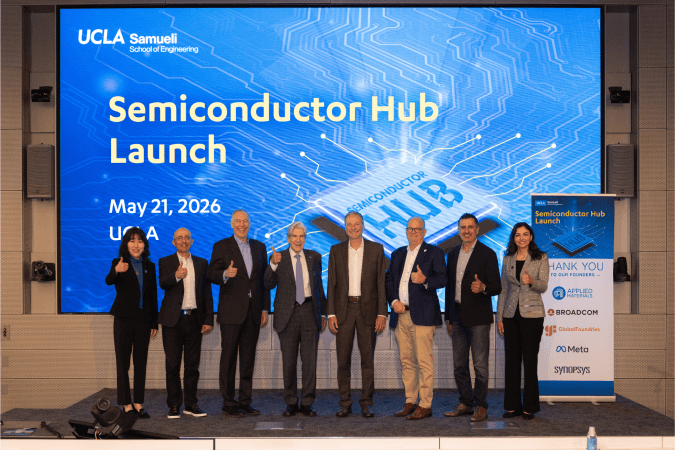
Broadcom, Meta, Applied Materials, GlobalFoundries and Synopsys are putting $125 million into a new Semiconductor Hub at UCLA’s Samueli School of Engineering, a deal that turns the university into a more direct part of the fight over who builds the next generation of chips. UCLA said the first-of-its-kind hub is designed to accelerate research, strengthen U.S. leadership and support workforce development in energy-efficient, AI-powered chip technologies.
The money is not just for branding or partnerships on paper. UCLA said the five-year commitment combines philanthropic gifts and in-kind support and is meant to connect researchers directly with company partners across chip design, software, manufacturing, equipment and advanced materials. In a sector where time from lab breakthrough to market can determine who leads and who follows, Dean Ah-Hyung “Alissa” Park said the goal is to shorten that path. The hub is being pitched as a place where university research can move faster into commercialization, while giving companies earlier access to ideas and people.
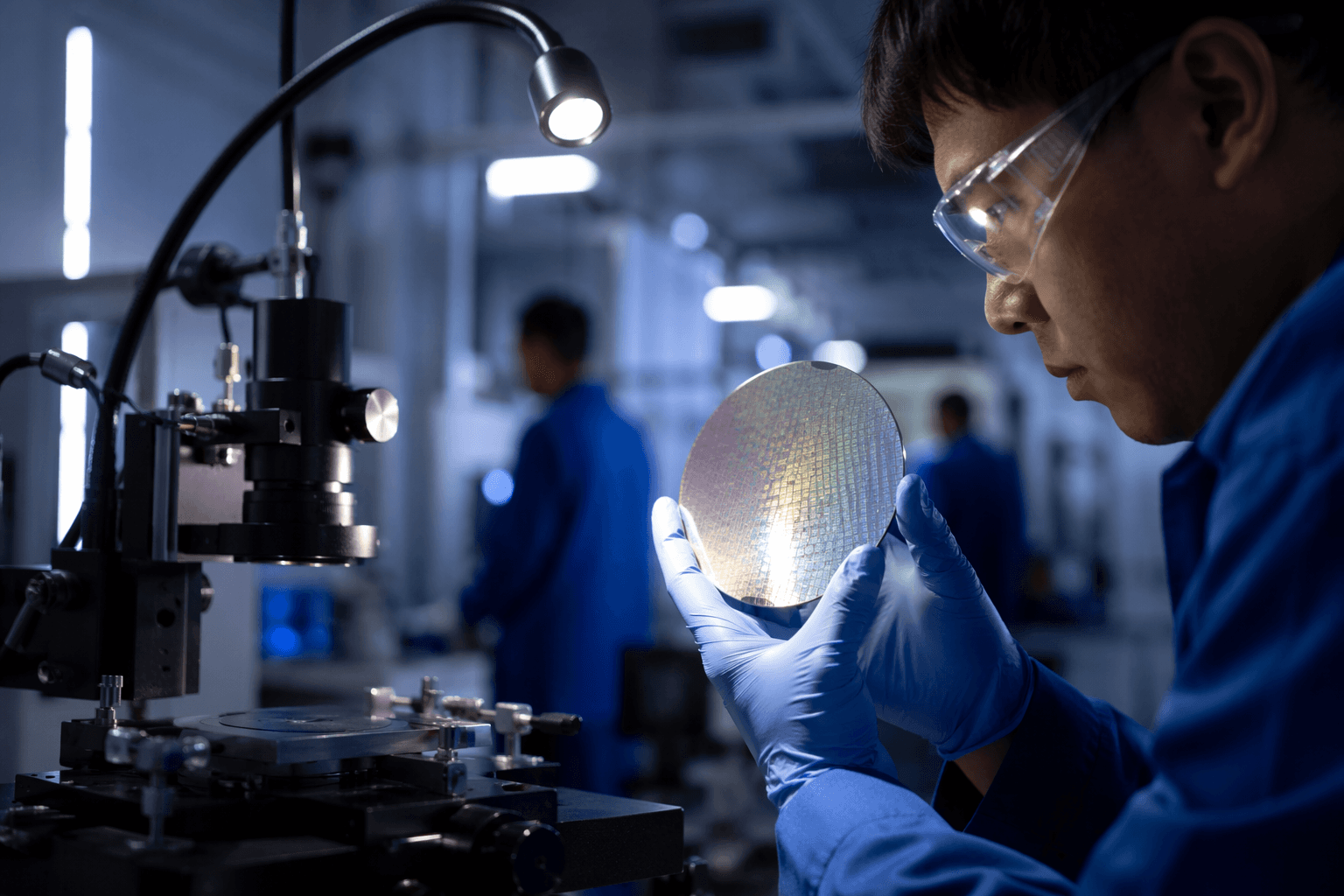
UCLA launched the hub at an event on May 21, 2026 that drew about 250 industry executives, faculty and Ph.D. students. Henry Samueli, Chancellor Julio Frenk, former California Governor Gray Davis and leaders from the founding companies took part, along with a video message from U.S. Sen. Alex Padilla. Frenk said UCLA is positioned to bring together expertise across disciplines and translate semiconductor innovation into scalable solutions, a reminder that chip strategy now reaches well beyond the engineering lab and into economic policy.
The timing reflects a larger national push. The CHIPS and Science Act provides $52.7 billion over five years for semiconductor manufacturing, research and workforce investments. Federal officials have said that includes $5 billion for the National Semiconductor Technology Center and $3 billion for advanced packaging, underscoring how much Washington is leaning on universities to help rebuild domestic capacity and train the engineers who will staff it.
UCLA has already been moving in that direction. In October 2024, UCLA Samueli became one of seven inaugural awardees of the National Semiconductor Technology Center’s Workforce Center of Excellence, with $11.5 million in total funding and $2 million over two years for UCLA’s Center for Education of Microchip Designers, led by professor Behzad Razavi. The new hub builds on that work and signals a broader shift: in the AI era, semiconductor competition is no longer only about factories and supply chains, but about who can train talent, turn research into products and keep the next wave of hardware anchored in the United States.
Know something we missed? Have a correction or additional information?
Submit a Tip