Brooklyn Taiwanese shop hit by tariffs awaits rebate relief
Yun Hai’s Taiwanese imports were hit with a 32% tariff, and the Brooklyn shop is still waiting to see how much rebate relief will actually arrive.
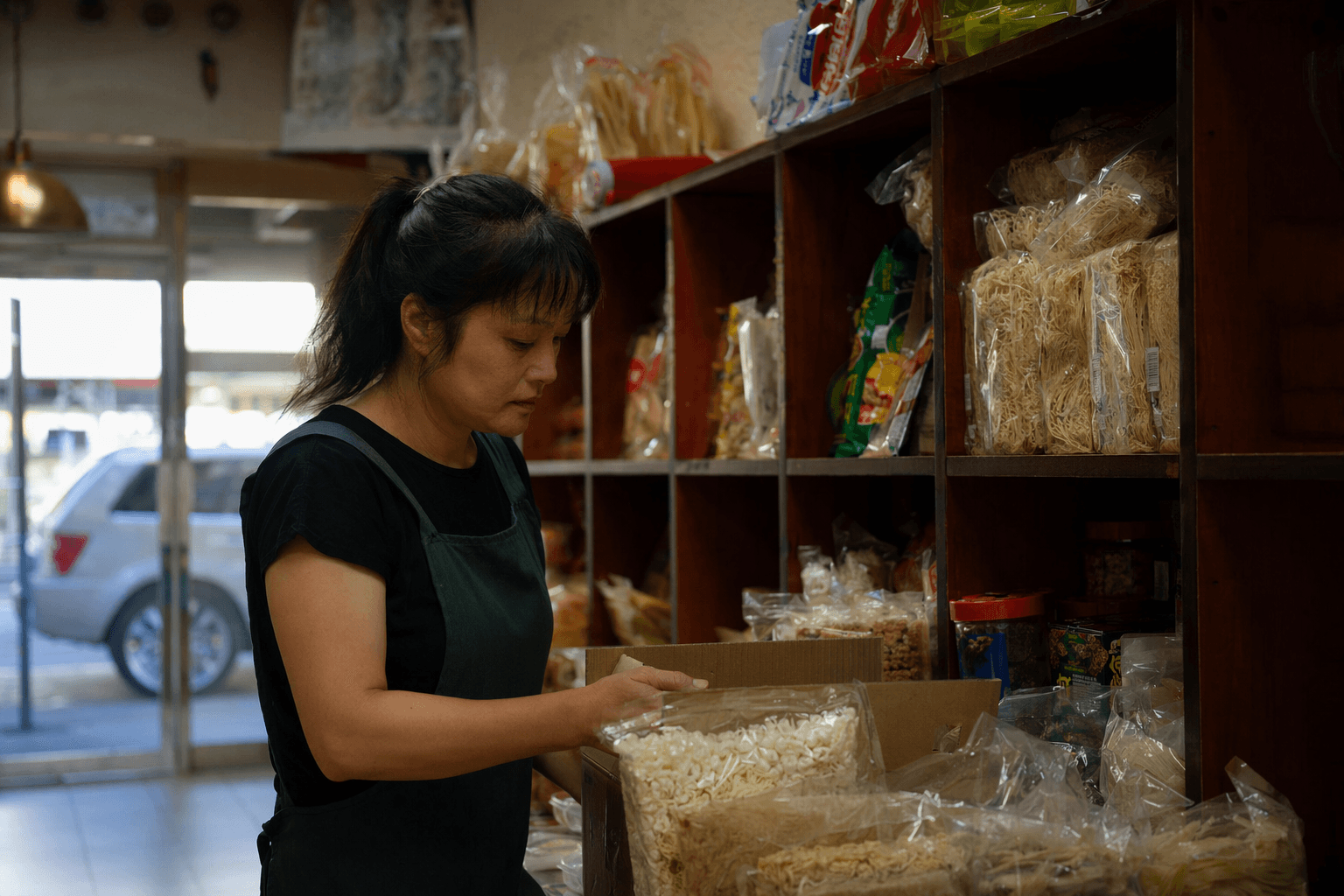
A Brooklyn Taiwanese pantry is waiting on tariff rebates while still absorbing the damage from months of policy whiplash. Yun Hai, founded by Lisa Cheng Smith and co-owned by Lillian Lin, was among the small import-dependent shops squeezed when Taiwanese goods were hit with a 32% tariff, a rate that quickly fed through to pricing, inventory plans and the basic question of what the next shipment would cost.
The tariff shock began with the Trump administration’s April 2, 2025 package, which imposed a universal 10% baseline levy on imports and steeper country-specific rates, including 32% on Taiwanese goods. For a business like Yun Hai, which sells Taiwanese pantry staples and home goods, the problem was not only the higher duty. It was the uncertainty that came with it: small retailers had little time to adjust orders, absorb costs or decide how much of the increase could be passed on to customers without killing demand.
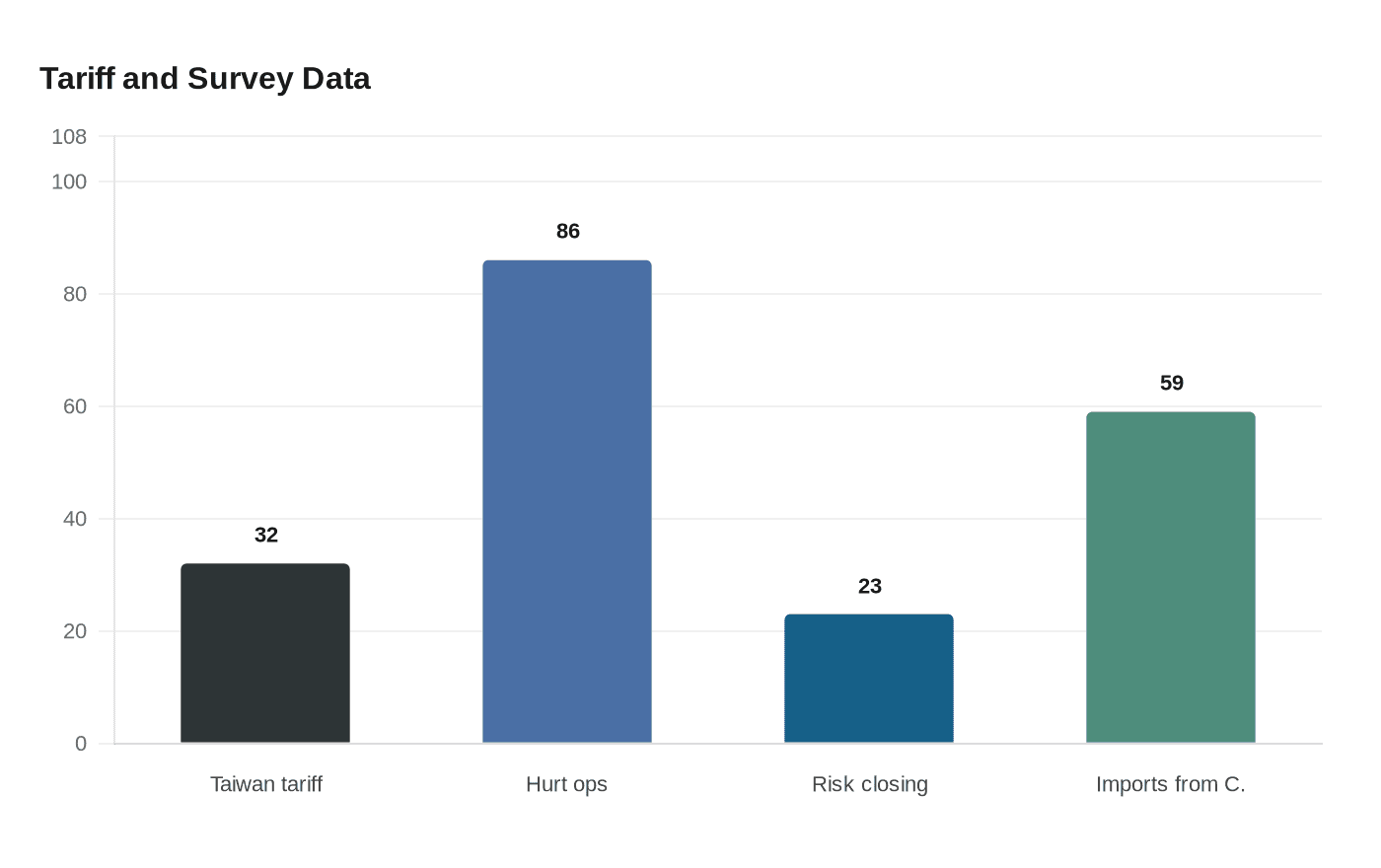
That strain showed up across Brooklyn’s small-business community. In a mid-April 2025 pulse survey by the Brooklyn Chamber of Commerce, 86% of responding businesses said tariffs would hurt operations. Another 23% said they were at significant risk of closing within a year. The survey found that 59% of respondents got most of their imports from China, while more than 90% expected profit margins to fall. Randy Peers, the chamber’s president and chief executive officer, warned that tariffs, layered on top of inflation and higher wages, could be the final blow for some neighborhood businesses.
New York City had 183,000 small businesses in 2023, according to the city Economic Development Corporation, which makes the tariff fight a broader issue than one shop or one borough. It reaches the wholesale distributors, specialty grocers and neighborhood retailers that keep local commercial corridors moving, often on thin margins and short cash cycles. When import costs swing sharply, owners have to decide whether to reorder, raise prices, cut hours or delay hiring, all before the next policy change lands.
The trade picture has shifted again. On Feb. 20, 2026, the Supreme Court ruled 6-3 that the IEEPA tariffs were unlawfully imposed, and a refund portal for importers opened on April 20, 2026. U.S. Customs and Border Protection said approved refunds would be processed in phases and could take 60 to 90 days after approval, with technical glitches already frustrating some users. Yale’s Budget Lab estimated that as of February 2026, the 2025 tariffs had generated $214.7 billion in inflation-adjusted customs revenue above the 2022-2024 average, with roughly $165 billion in unlawfully collected duties potentially heading back to importers. For shops like Yun Hai, the central question is no longer just how much the tariffs cost, but how long the confusion will last before relief reaches the register.
This article was produced by Prism’s automated news system from verified source data, official records, and press releases, then run through automated quality and moderation checks before publishing. The system is built and supervised by the people who set the standards it runs under. Read our full AI policy.
Did this article answer your question?

