Businesses Scramble for Trump Tariff Refunds as $165 Billion Hangs in Balance
Richard Brown is already chasing tariff refunds, but complex filing rules and final customs entries could leave much of the estimated $165 billion unpaid.
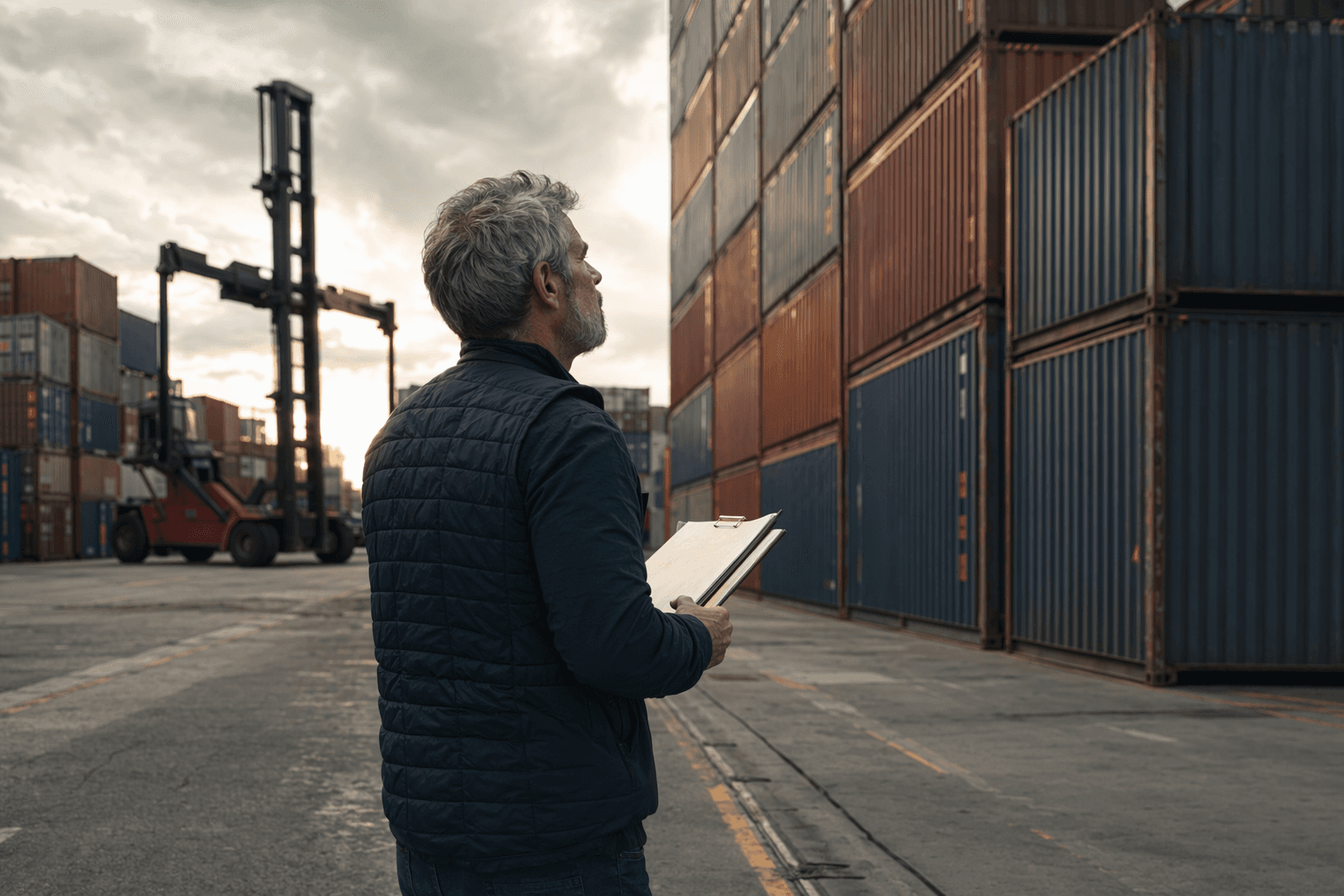
Richard Brown was already lining up paperwork to claw back tariff money after the Supreme Court struck down most of Donald Trump’s duties, but the bigger story is how hard it may be to actually collect. Trade lawyers say the refund machinery is only now being built, and even businesses that won on legality may still lose on deadlines, documentation and customs finality.
The U.S. Court of International Trade ordered refunds and reliquidation of affected IEEPA tariff entries in Atmus Filtration, Inc. v. United States on March 4, 2026, following the Supreme Court’s February 20, 2026 decision in Learning Resources, Inc. v. Trump. U.S. Customs and Border Protection then said the first phase of its Consolidated Administration and Processing of Entries tool, known as CAPE, would launch on April 20, 2026 inside the Automated Commercial Environment, or ACE, to handle valid refund requests for duties imposed under the International Emergency Economic Powers Act.
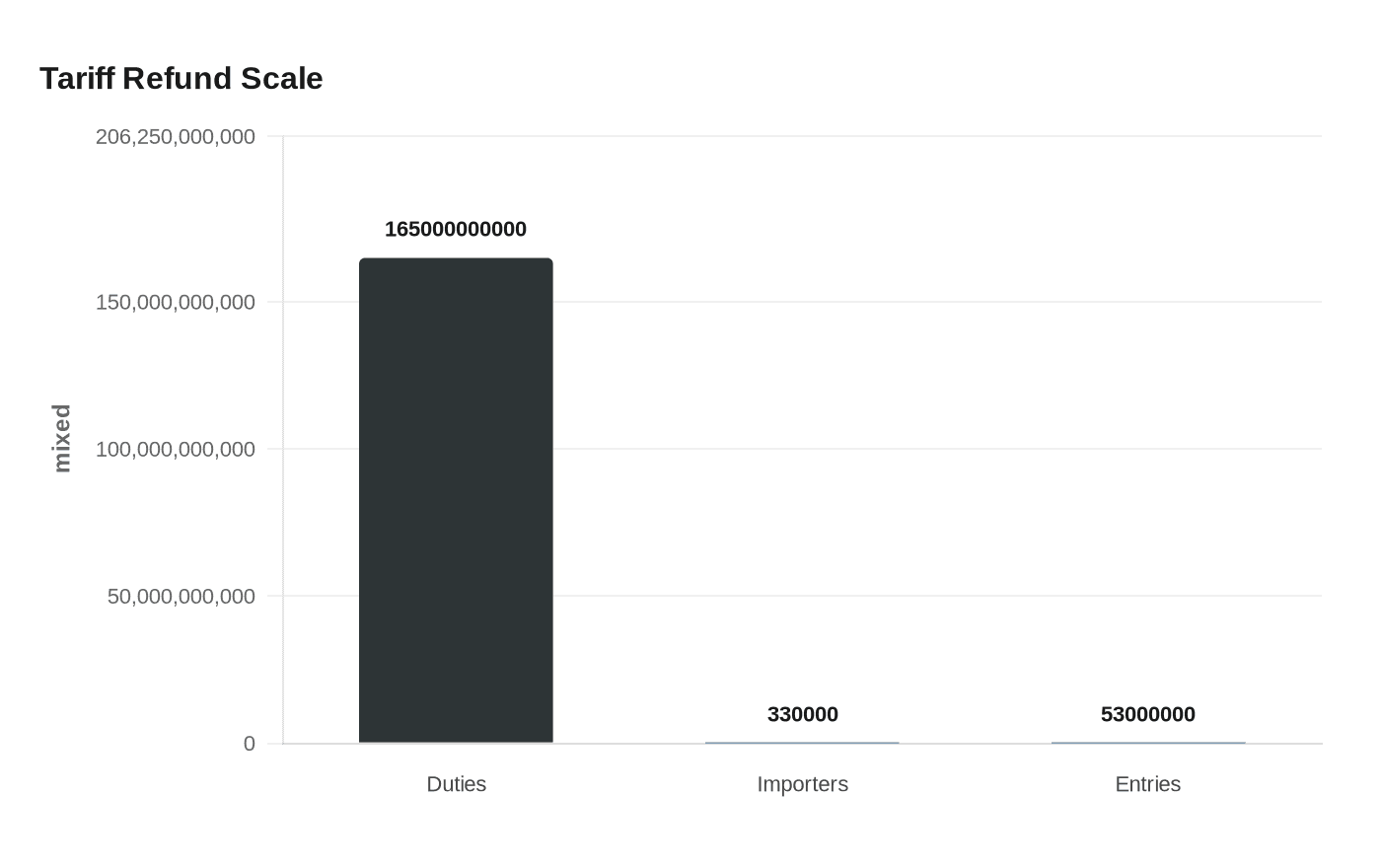
The money at stake is enormous. One trade-law estimate cited in coverage puts roughly $165 billion in unlawfully collected duties in play. More than 330,000 importers paid the IEEPA duties across more than 53 million entries, a scale that makes the refund program as much an administrative test as a legal one.
That is where the gap opens between winning in court and getting paid. The refund process distinguishes between unliquidated entries and liquidated entries that are not yet final, and that distinction could decide who recovers and who does not. Entries that have already become final may be out of reach, while other claims may depend on narrow procedures, entry-by-entry filing rules and whether importers can navigate the system before deadlines close.
CBP says CAPE is meant to streamline submission and processing of valid refund requests, but trade advisers warn the system could still move slowly and unevenly. Large importers with customs counsel may be able to assemble the required paperwork, while smaller businesses may not have the cash flow or legal resources to pursue claims across thousands of entries. The refunds are also for businesses and importers, not direct consumer payouts.
Brown’s effort has become a window into that maze. NPR reported that the small business owner recorded audio diaries as he tried to recover his tariff money, underscoring how even a single importer can be forced to track legal changes, customs status and filing mechanics at the same time. With appeals still hanging over the process and customs capacity uneven, billions may be owed on paper long before they ever reach the companies that paid them.
This article was produced by Prism’s automated news system from verified source data, official records, and press releases, then run through automated quality and moderation checks before publishing. The system is built and supervised by the people who set the standards it runs under. Read our full AI policy.
Did this article answer your question?