Costa Rica leads Latin America’s electric vehicle boom as fuel prices rise
Costa Rica’s EV surge is being driven as much by gasoline anxiety as by climate policy, with cheaper Chinese models and tax breaks reshaping the market.
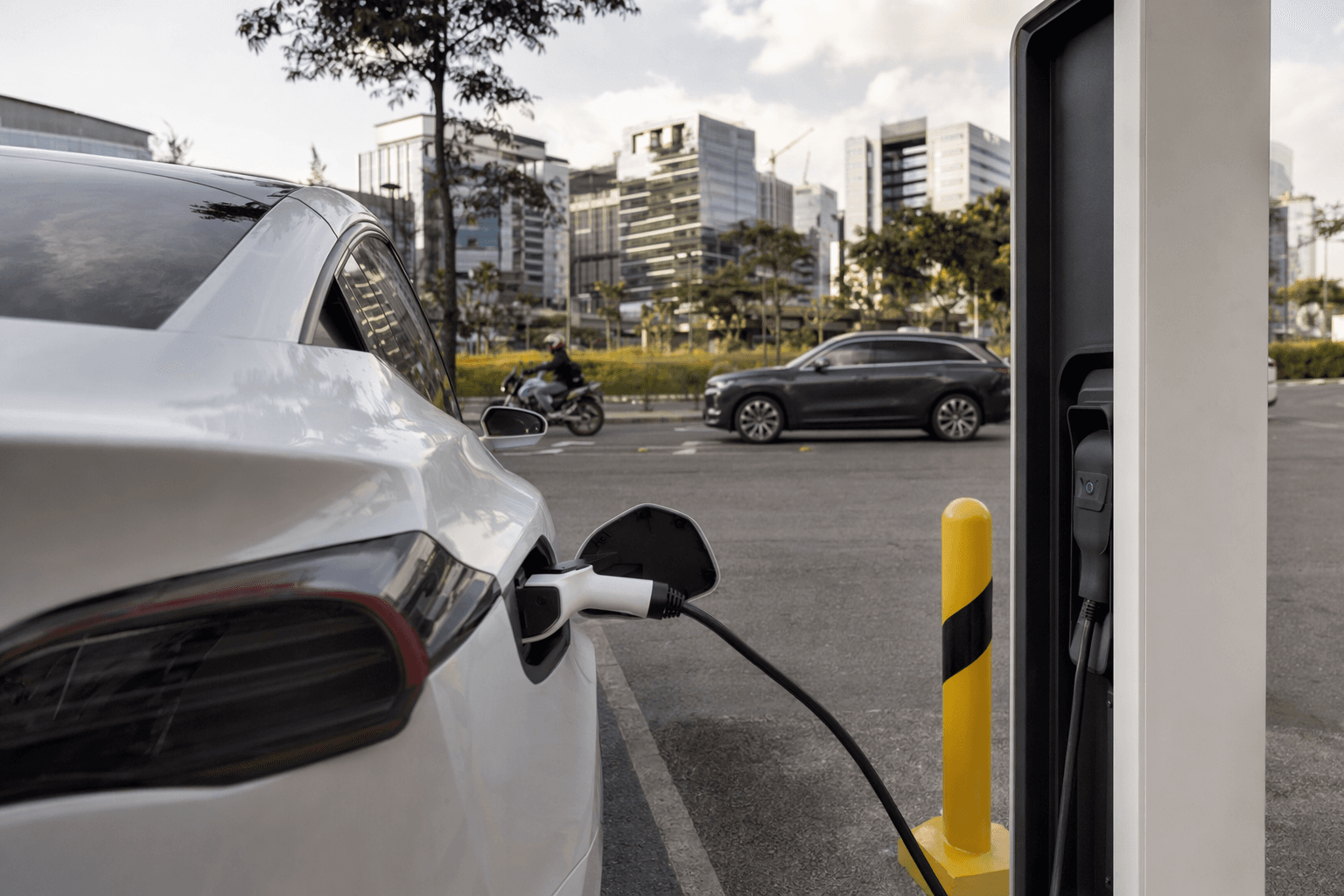
Costa Rica’s electric-car boom is not just a climate story. It is a pocketbook story, powered by households and businesses trying to escape fuel-price swings, import dependence and the constant threat of another oil shock. That shift is changing the politics of electrification across Latin America, where EVs are increasingly sold not as a green luxury but as a practical hedge against volatile transport costs.
Costa Rica’s policy edge
Costa Rica has built the region’s clearest EV market through a mix of tax incentives and long-term policy certainty. The country’s Electric Transportation Incentives and Promotion Act, Law 9518, was enacted in 2018, and a 2022 reform extended those benefits until 2034. That matters because EV buyers in emerging markets often care less about symbolism than monthly affordability, and Costa Rica has made the cost equation easier to defend.
The results are visible in the numbers. In 2024, EVs accounted for about 15.4% of new vehicle sales in Costa Rica, and the country recorded 11,373 new all-electric passenger vehicle sales that year. For a market of its size, that places Costa Rica widely at the front of EV adoption in the Americas and gives it a policy model others in the region are studying closely.
Why the region is accelerating
Costa Rica is part of a broader regional surge. The Latin American Energy Organization said the light electric vehicle fleet in Latin America and the Caribbean grew by 187% in 2024, rising from 249,079 vehicles to 444,071. BloombergNEF reported that Latin American EV sales doubled year-on-year and that EVs passed 6% of new car sales, up from 2% two years earlier.
Those gains are happening in a part of the world where transport costs can move painfully fast. In countries that import much of their fuel, every spike in global oil prices is transmitted into household budgets, business logistics and public anger. That is why electrification is gaining a more durable political logic: EVs are becoming a way to reduce exposure to imported fuel, not simply a statement of environmental intent.
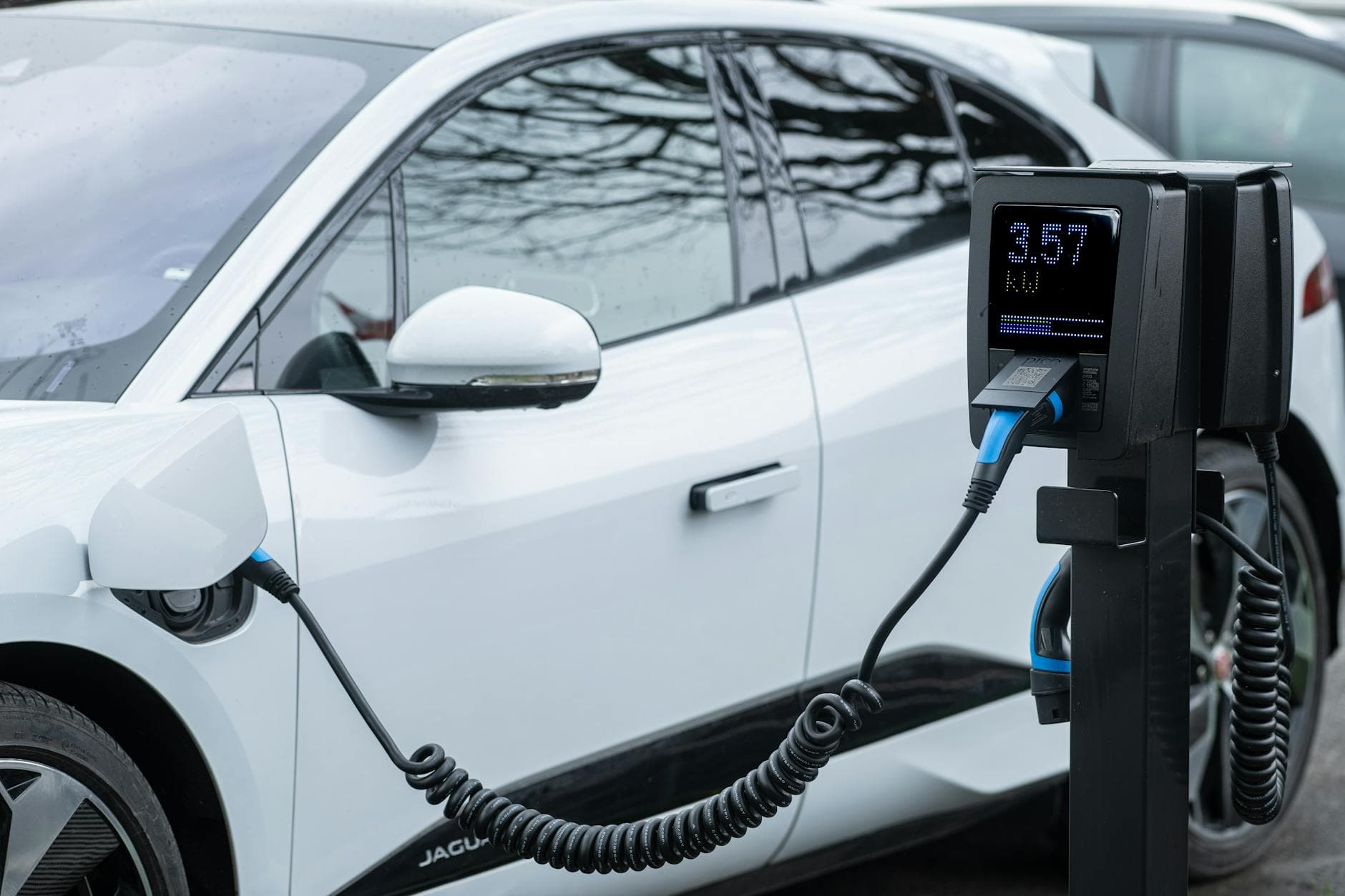
The pocketbook argument is doing the political work
The International Energy Agency’s latest outlook underscores how broad this shift has become. In emerging and developing economies in Asia, Latin America and Africa, electric car sales rose by more than 60% year-on-year in 2024, and their sales share almost doubled from 2.5% to 4%. Globally, nearly 14 million electric cars were sold in 2023, and the IEA projected around 17 million in 2024, showing that momentum is no longer confined to rich-country markets.
In emerging economies, the consumer case is increasingly straightforward: if the sticker price can be brought down, the operating math can work. That is especially true where fuel costs are high relative to incomes, public transit can be limited, and drivers depend on private cars or fleet vehicles for work. The politics follow the economics, because voters are much more likely to support EV-friendly policy when the payoff is lower running costs rather than abstract emissions targets.
Chinese models opened the door
Affordable Chinese-made EVs have been a major reason Latin America’s market has moved faster. For years, upfront price was the biggest barrier, especially in markets where imported vehicles are expensive and financing is tight. Lower-cost Chinese models have helped break that ceiling, making EVs reachable for more buyers and giving dealers a product that can compete on total cost of ownership instead of prestige.
This change has been especially important in countries like Costa Rica, where analysts say the market has been supported by relatively favorable pricing and incentives even as those benefits begin to phase down. The combination has created a sweet spot: tax relief lowers the purchase barrier, while cheaper models make the vehicle itself less financially intimidating. Once that happens, the argument for electrification moves from ideology to arithmetic.
What actually makes EVs practical
The policy tools matter because EV adoption in emerging markets is rarely driven by a single factor. Tax breaks and import incentives reduce the front-end burden, while cheaper operating costs make the purchase easier to justify over time. For drivers facing repeated gasoline spikes, the promise of charging at home or at a workplace can be far more compelling than a campaign slogan about decarbonization.
Grid constraints remain part of the story, especially in countries where charging infrastructure is still thin. But in markets like Costa Rica, the policy challenge is not only to install chargers. It is to keep the economics attractive enough that buyers see EVs as a sensible household asset and businesses see them as a way to stabilize costs.
That is why the durability of incentives matters. Costa Rica’s extension of benefits until 2034 gives the market a longer planning horizon than many competitors have offered. Investors, dealers and fleet operators can price the future with more confidence when policy does not change every budget cycle.
What Costa Rica signals for the rest of Latin America
Costa Rica’s lead suggests that the next phase of EV adoption in Latin America will be shaped by practical policy design rather than rhetoric. Countries that want faster uptake will need to answer three questions at once: how to cut the upfront price, how to keep running costs lower than gasoline, and how to build enough charging access to remove range anxiety. The most effective packages are likely to mix fiscal incentives, stable rules and infrastructure that can support fleets, apartment dwellers and suburban commuters.
The wider lesson is that electrification is becoming politically easier where it can be framed as consumer protection. In fuel-importing economies, the selling point is not just cleaner air, it is insulation from the volatility of global oil markets. Costa Rica’s boom shows that when EVs are tied to financial resilience, adoption can move quickly, and the politics around transport can shift just as fast.
This article was produced by Prism’s automated news system from verified source data, official records, and press releases, then run through automated quality and moderation checks before publishing. The system is built and supervised by the people who set the standards it runs under. Read our full AI policy.
Did this article answer your question?