Budget cuts energy charges, average household to save £180 from April
Budget measures reduce regulated charges and standing costs, trimming typical dual-fuel bills by about £180 a year from April while savings vary by tariff and region.

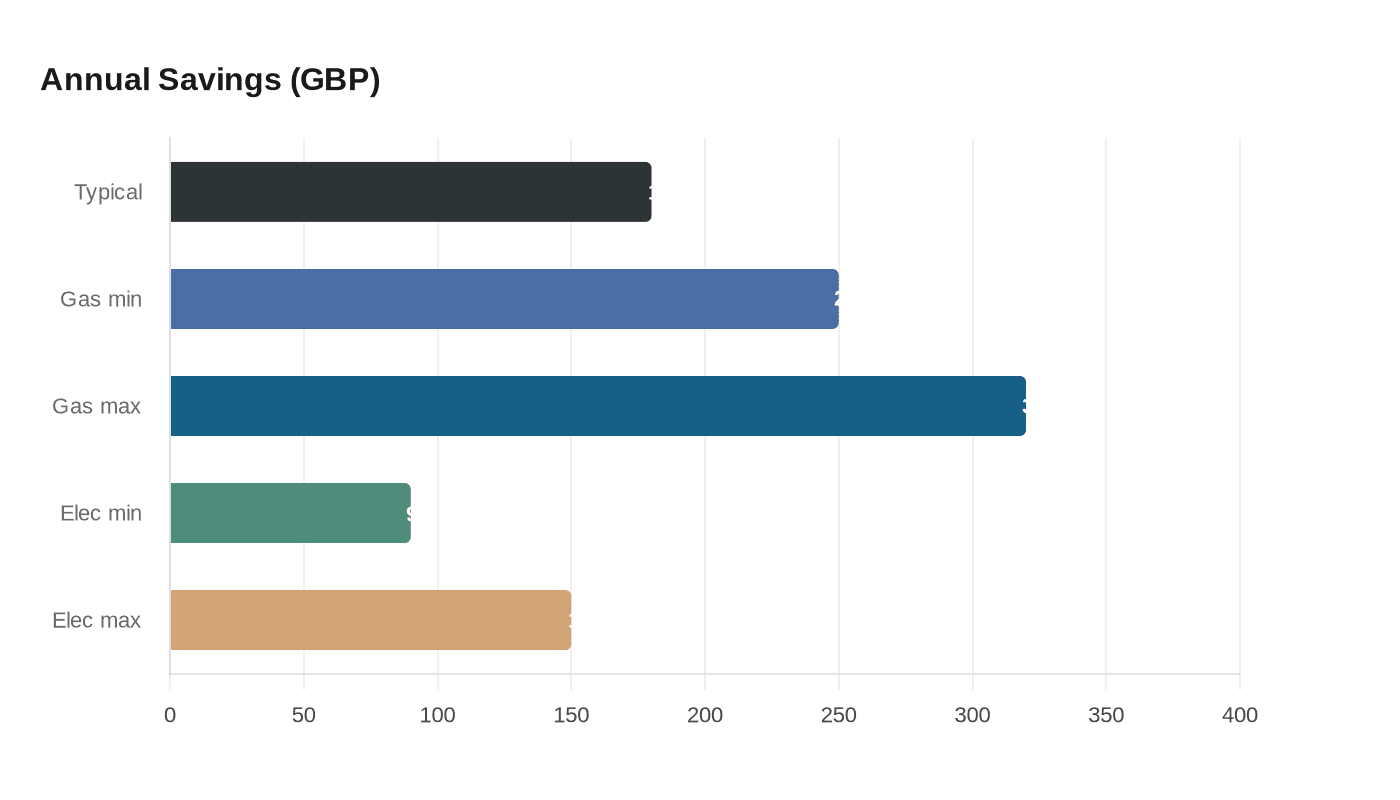
Household energy bills will fall from April after Budget changes announced today, with the government and Ofgem reworking the components that make up the regulated price cap and network levies. The combined effect will reduce the typical dual-fuel bill by roughly £180 annually, Treasury figures show, with household savings ranging from about £90 to £320 depending on fuel mix, tariff and region.
The Budget redirects existing fiscal support and restructures how network and system charges are collected from suppliers instead of being passed directly to consumers on bills. HM Treasury estimates the package will cost the public purse £3.5 billion in 2026-27. Ofgem has confirmed it will adjust the price cap calculations for April to reflect the lower pass-through of network charges and a reduced allowance for supplier costs, producing the headline decline in bills.
The impact is uneven. Households on standard variable tariffs or older dual-fuel contracts will see the biggest absolute cuts, because the measures target standing charges and network pass-throughs that disproportionately inflate those tariffs. Gas-heavy homes, typically off-grid or with gas heating, are likely to benefit toward the top of the range, around a £250 to £320 annual reduction, while electricity-only households and those on recently renegotiated fixed-price deals can expect nearer £90 to £150 savings.
Market implications are immediate. Energy suppliers face lower invoice amounts from customers and a temporary squeeze on revenue growth as the cost relief hits billed income this spring. Smaller retail suppliers with limited balance sheets could feel pressure on margins, potentially prompting consolidation or a renewed wave of mergers. Network operators such as National Grid and regional distribution companies will see the timing of cash recovery altered, but the Budget compensates some of that with direct Treasury transfers to their regulated revenue pools, smoothing operator cashflows while shifting cost to taxpayers.
For consumers the cuts come against a backdrop of still-elevated bills. Even after April reductions, the typical household bill will remain above pre-2021 norms, reflecting higher wholesale prices in recent years and ongoing investment needs in grid resilience and decarbonisation. Energy spending continues to weigh disproportionately on lower-income households; the Budget’s across-the-board approach improves headline fairness but does less to target the poorest, who still face larger energy burdens as a share of income.
Policy trade-offs are clear. The Treasury prioritized immediate headline relief to take pressure off inflation and household budgets ahead of the spring, at the expense of direct subsidies for energy efficiency or deeper means-tested support. That has implications for long-term decarbonisation: by lowering bills through fiscal transfers rather than accelerating insulation and heat-pump rollouts, the Budget reduces short-term cost pressures but does not materially cut future demand or wholesale exposure.
Investors and policymakers will now watch the April price-cap reconfiguration and supplier earnings for signals about sector stability. If savings are larger than expected, consumer confidence and discretionary spending could tick up, supporting broader economic growth. If suppliers respond by retrenching on wholesale contracts or delaying green investments, the path to net zero and future bill reductions could slow.
This article was produced by Prism’s automated news system from verified source data, official records, and press releases, then run through automated quality and moderation checks before publishing. The system is built and supervised by the people who set the standards it runs under. Read our full AI policy.
Did this article answer your question?


