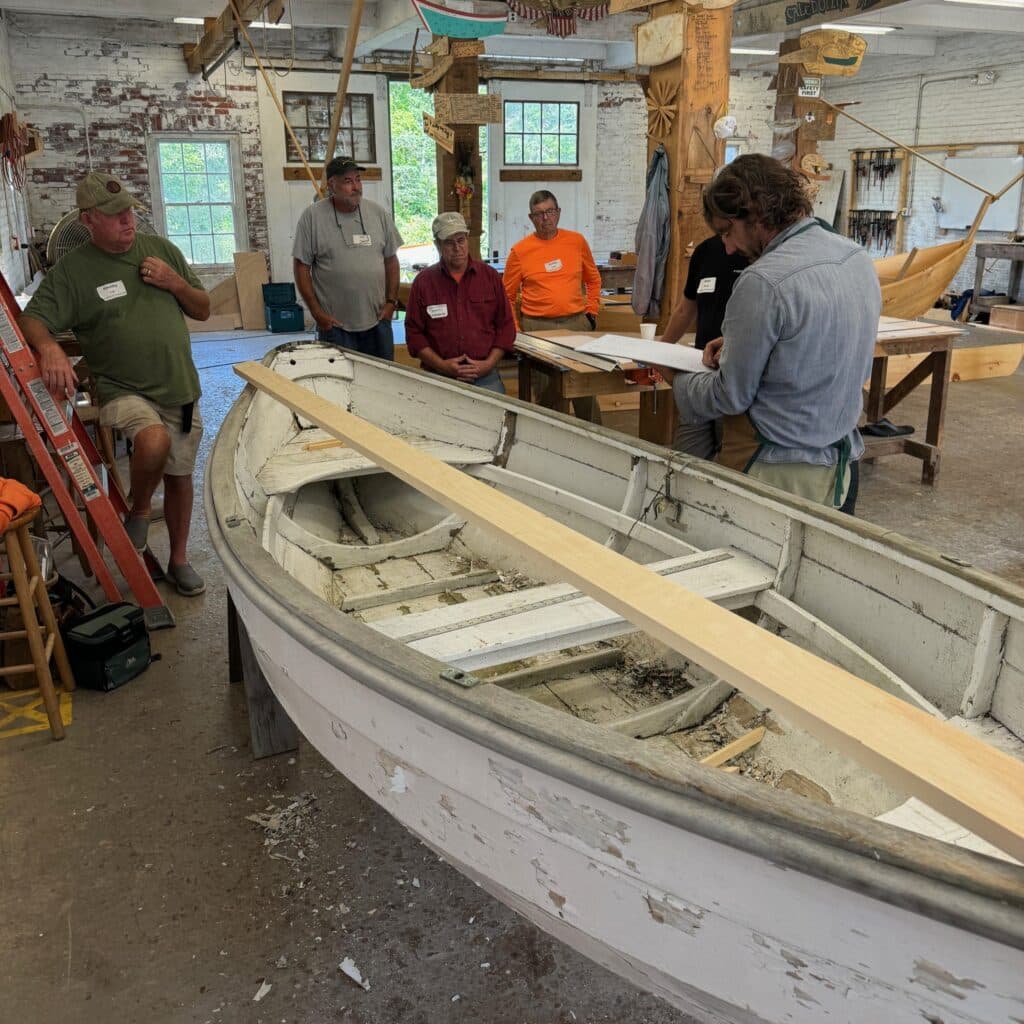
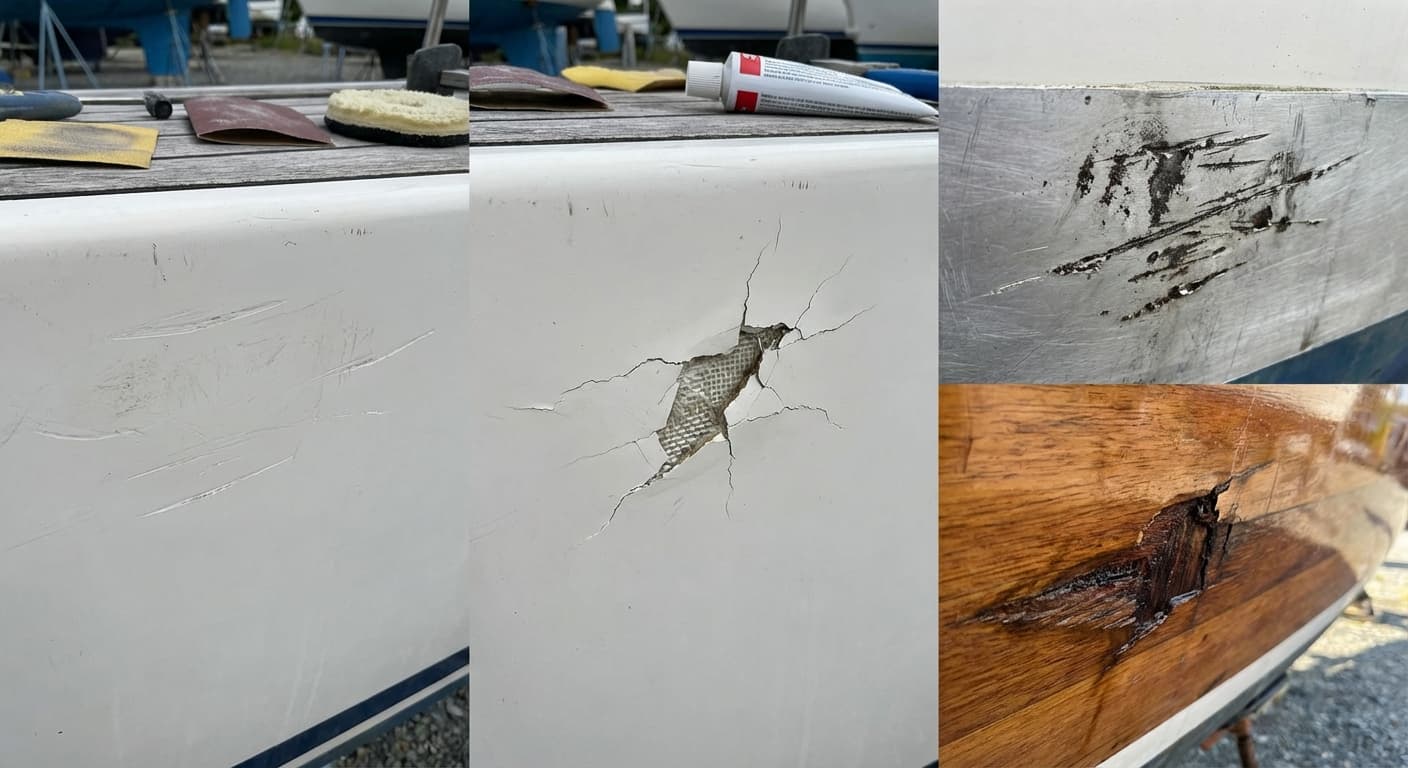
Build a compact sail repair kit every cruiser should carry
A long-running DIY guide outlines essential tools and stitches for small- to medium-scale sail and canvas repairs. Keep a compact, organized kit aboard and practice simple stitches ashore.
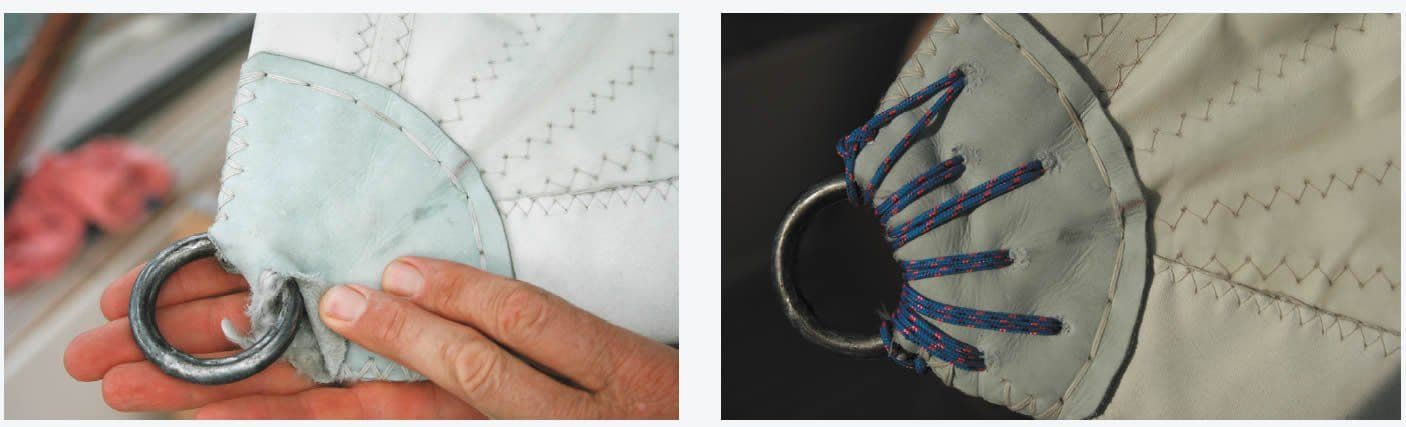
A long-running DIY sail-repair guide lays out a clear, practical path for sailors who want to fix small- to medium-scale canvas and sail damage themselves. The recommendations distill what to carry, what to practice, and when to hand the work to a sailmaker, so you can handle common repairs at sea without fuss.
At the heart of the kit are the right needles and thread sizes matched to sailcloth. Heavy-duty sail thread and stout needles work for Dacron and heavier canvas, while finer thread and slimmer needles suit lightweight sails and soft materials. Include a palm or thimble for hand-sewing—choose the style that fits your hand and the amount of stitching you expect to do. A reliable cutting surface is essential to make neat patches and avoid damaging fabric on deck. Add basic sail-repair tapes and adhesives for temporary fixes and clean, quick patches that buy time until a proper repair can be made.
Practical value comes from organization and practice. Keep a small, well-organized kit aboard in a waterproof pouch or dedicated locker so you can reach for it quickly when a chafe or tear shows up at an awkward moment. Practice starter stitches ashore: reinforcing eyes, patching soft sails, and routine seam repairs are the low-risk skills that pay off under sail. Working on shore gives you confidence and helps you learn how different thread and needle combinations behave with your boat’s particular sailcloth.
Knowing the limits of do-it-yourself repairs is as important as knowing what tools to pack. Simple patching and reinforcing can save a cruise and extend a season, but complex structural repairs, badly torn sailcloth, or damaged seams that affect sail shape belong on a sailmaker’s workbench. Start modestly with basic tasks, then add tools and heavier gear as your skills and confidence grow.
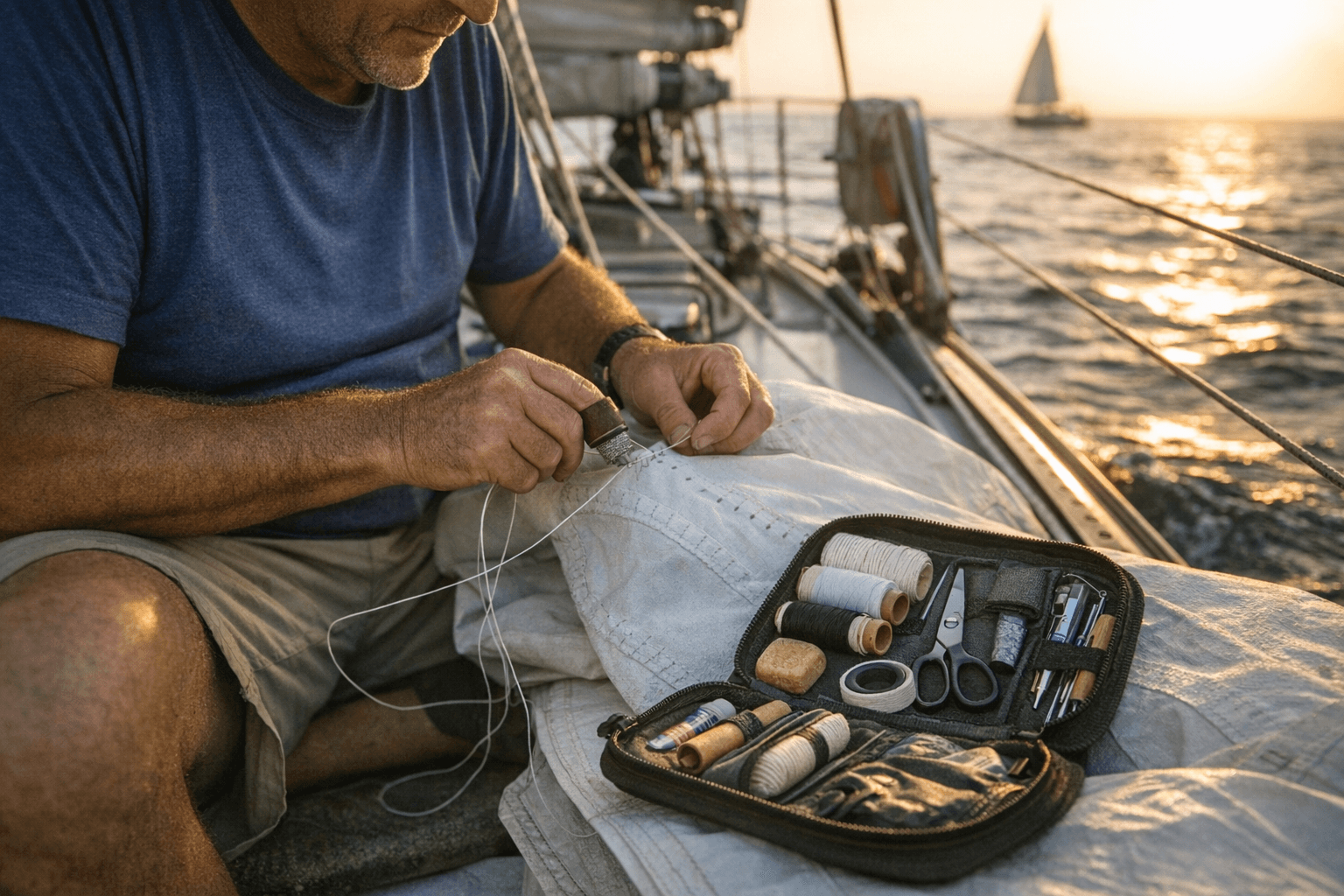
The community benefit is immediate: crews and clubmates who can handle routine canvas repairs reduce downtime and expense, and keep boats safer on passage. A compact, practiced kit also lightens the load at the chandler and lets small crews manage common emergencies without calling for a lift.
Our two cents? Spend one afternoon practicing a few basic stitches, tune your kit to the sails you actually use, and stow everything where you can grab it from the weather rail. A stitch in time at sea still saves nine.
Sources:
Know something we missed? Have a correction or additional information?
Submit a Tip