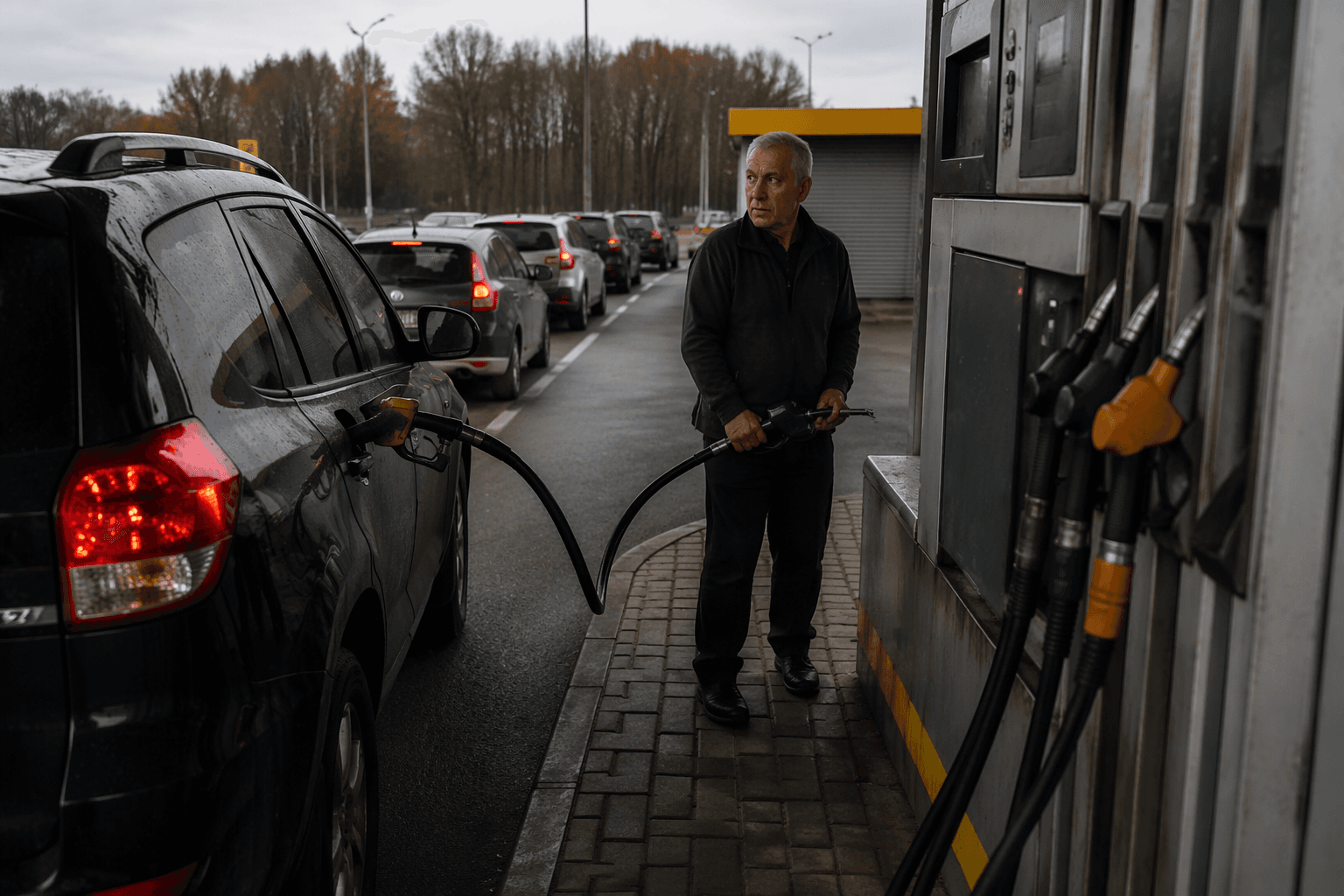
Bulgarian Government Collapses Amid Mass Protests, Euro Entry Looms
Bulgaria’s minority government resigned on December 11, 2025 after weeks of nationwide demonstrations over alleged corruption and a contested 2026 budget. The collapse comes less than three weeks before Bulgaria is due to adopt the euro on January 1, 2026, raising questions about political continuity, fiscal credibility, and market confidence.
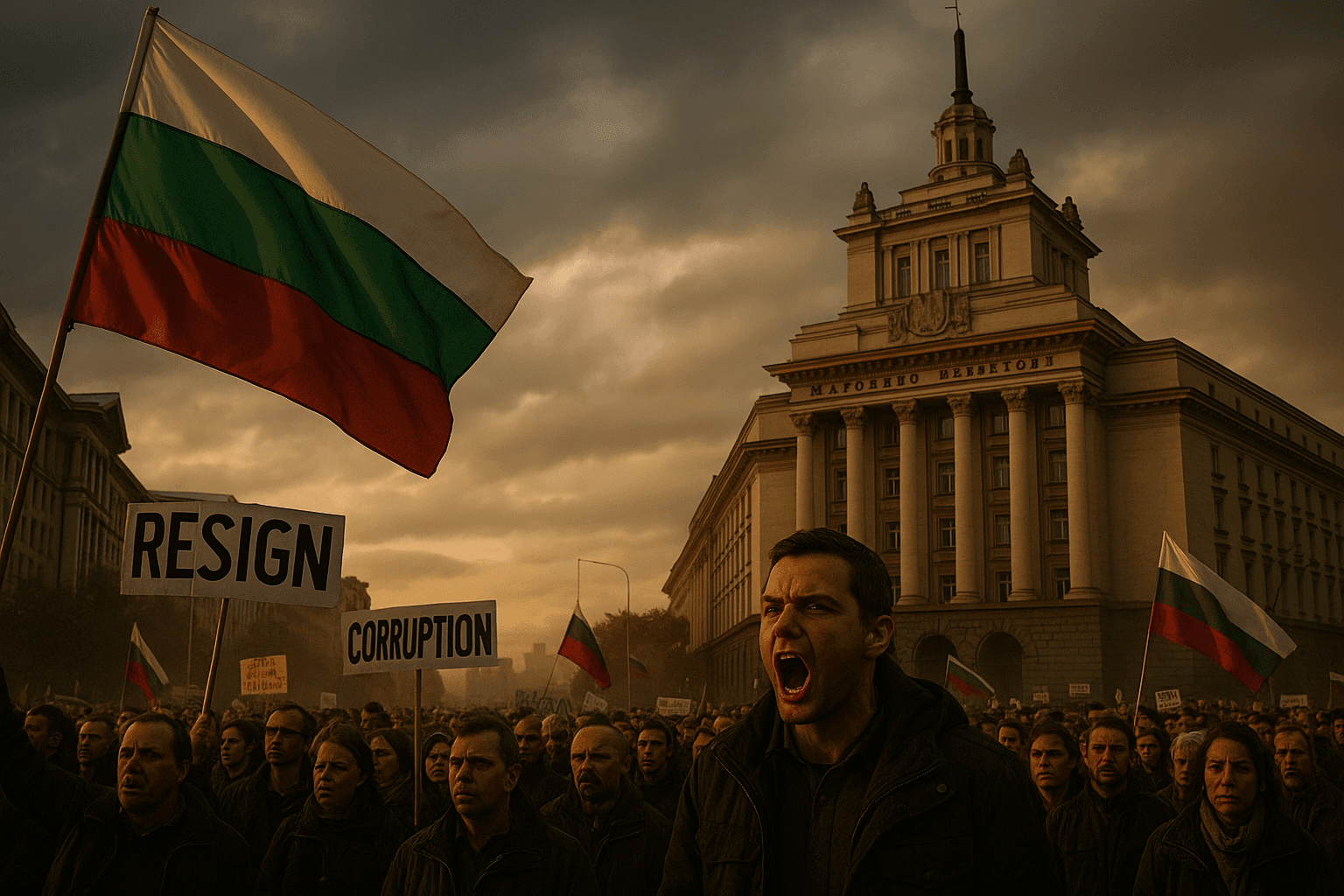
Prime Minister Rosen Zhelyazkov announced the resignation of his entire cabinet on December 11, 2025, submitting the government’s resignation minutes before parliament was due to vote on a no confidence motion. The minority coalition led by the centre right GERB party had been in power for less than a year, and the abrupt exit capped nearly two weeks of rolling demonstrations and a month of public outrage sparked by a budget drafted in euros.
The immediate flashpoint was a 2026 budget plan that would have raised individual contributions to pensions and social security programmes, increased taxes and lifted social security levies while expanding spending. Reporters said the plan was the first Bulgarian budget drawn up in euros, a technical step ahead of the scheduled euro adoption on January 1, 2026. The government withdrew the contested budget in early December, but protests broadened from fiscal grievances to demands for the cabinet’s removal over endemic corruption.
Demonstrations began around November 26, 2025 and continued into December. Thousands rallied in the capital Sofia and in dozens of other towns and cities. Local reports and public records list protests on December 3 in Ruse, Pazardzhik, Sliven, Burgas, Varna, Montana, Veliko Tarnovo, Razgrad, Vidin, Blagoevgrad, Shumen, Yambol and Sofia. Organisers and participants included younger activists described in coverage as Gen Z leaders, with names cited in reporting as Marian Ivanov, Ani Bodakova and Kaloyan Vasev. On December 5, 61 opposition MPs formally filed a vote of no confidence, setting a parliamentary showdown that preceded the resignation.
The timing amplifies institutional risk as Bulgaria prepares to join the euro area less than three weeks from the resignation. Implementation of euro adoption involves technical and administrative steps that authorities say have been completed, but political instability can complicate market perceptions and practical rollout. Investors typically demand clarity on fiscal policy and governance when sovereigns change, raising the risk that borrowing costs for the state and private firms could rise if uncertainty lingers. Market analysts said prolonged turmoil could increase volatility in regional assets and push up risk premia for Bulgarian debt, even though the lev will be converted at the legally fixed rate upon accession.
Beyond immediate market effects, the episode underscores longer term trends in Bulgarian politics and governance. Public anger over corruption has been recurrent, with successive governments failing to stem perceptions of graft and capture. The rise of youth led mobilisation signals a generational shift in political engagement that can translate into sustained pressure for reform. For Brussels and euro area partners the test will be whether institutional continuity and fiscal credibility can be preserved through a transition of power.
Reporting did not specify immediate arrangements for a caretaker government or new elections. For now the cabinet resignation removes the immediate target of the protests, but it leaves open the larger questions of accountability, policy direction and the political stability needed to ensure a smooth euro adoption on January 1.
This article was produced by Prism’s automated news system from verified source data, official records, and press releases, then run through automated quality and moderation checks before publishing. The system is built and supervised by the people who set the standards it runs under. Read our full AI policy.
Did this article answer your question?