Bulgaria's New Government Pledges to Challenge Peevski's Power Grip
Bulgaria’s latest revolt against corruption may be testing whether Delyan Peevski still sets the limits of power, even after another government fell.
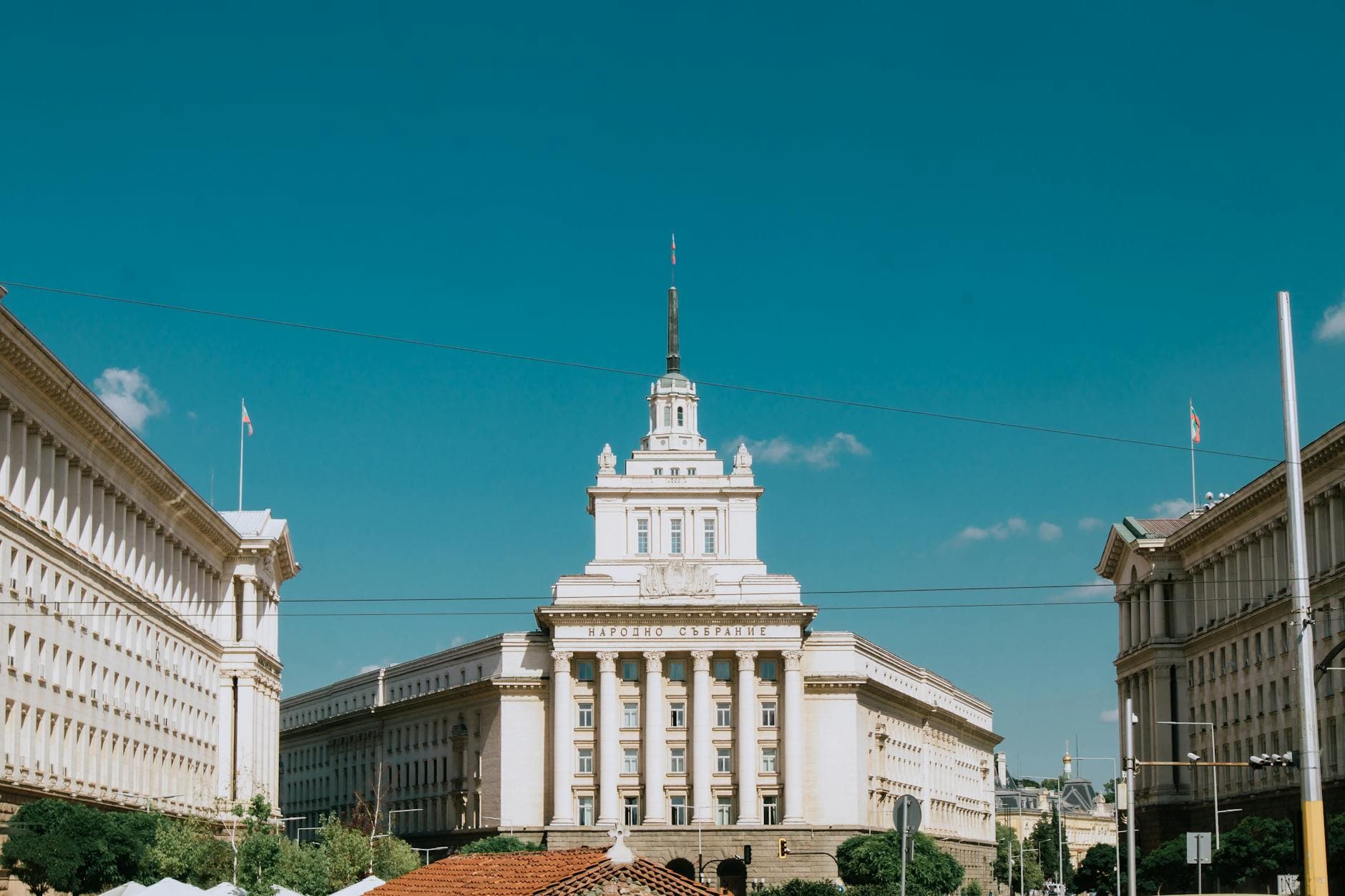
Bulgaria’s next political reset will be measured less by who occupies the cabinet seats than by whether Delyan Peevski still can bend the country’s institutions to his will. After mass anti-corruption protests forced the government to resign in December 2025, the country has lurched into yet another snap-election cycle, with analysts describing it as heading into its seventh general election in nearly four years.
The protests began with anger over a draft 2026 budget, but they quickly widened into a broader revolt against corruption and the political system behind it. Public frustration has been sharp enough to topple governments before, and this time it again placed Peevski at the center of the fight. His critics say the sanctioned political figure exerts informal influence over the judiciary, security services and regulatory bodies, making him the clearest test of whether Bulgaria’s anti-corruption wave can become institutional reform.
Peevski has long been a lightning rod. The United States sanctioned him in 2021 under the Global Magnitsky Act, and the United Kingdom followed in 2023 on corruption grounds. His 2013 appointment to lead the State Agency for National Security triggered mass protests that helped bring down the Oresharski government, fixing his name in Bulgarian politics as a symbol of the overlap between party power, state agencies and street anger.
That history matters because Bulgaria is once again trying to form a workable government while confidence in its parliament and public institutions sits near historic lows. The country is also under pressure to show stability as it prepares to join the eurozone on 1 January 2026, a deadline that raises the cost of political paralysis and weakens any excuse for delay on reform.

The key question is whether the new government can do more than rearrange the faces around a familiar power structure. Peevski’s opponents have long argued that his influence survived not through formal office alone, but through control over party loyalties and leverage inside the Movement for Rights and Freedoms, the party once shaped by Ahmed Dogan and later split by Peevski’s challenge to that old order.
For Bulgaria, the real anti-corruption test will be concrete. It will show up in whether the new authorities can protect the independence of the judiciary, curb pressure on the security services and regulators, and govern without treating Peevski as an unavoidable broker. If those institutions remain untouched, the latest election will have changed the cast, not the system.
This article was produced by Prism’s automated news system from verified source data, official records, and press releases, then run through automated quality and moderation checks before publishing. The system is built and supervised by the people who set the standards it runs under. Read our full AI policy.
Did this article answer your question?