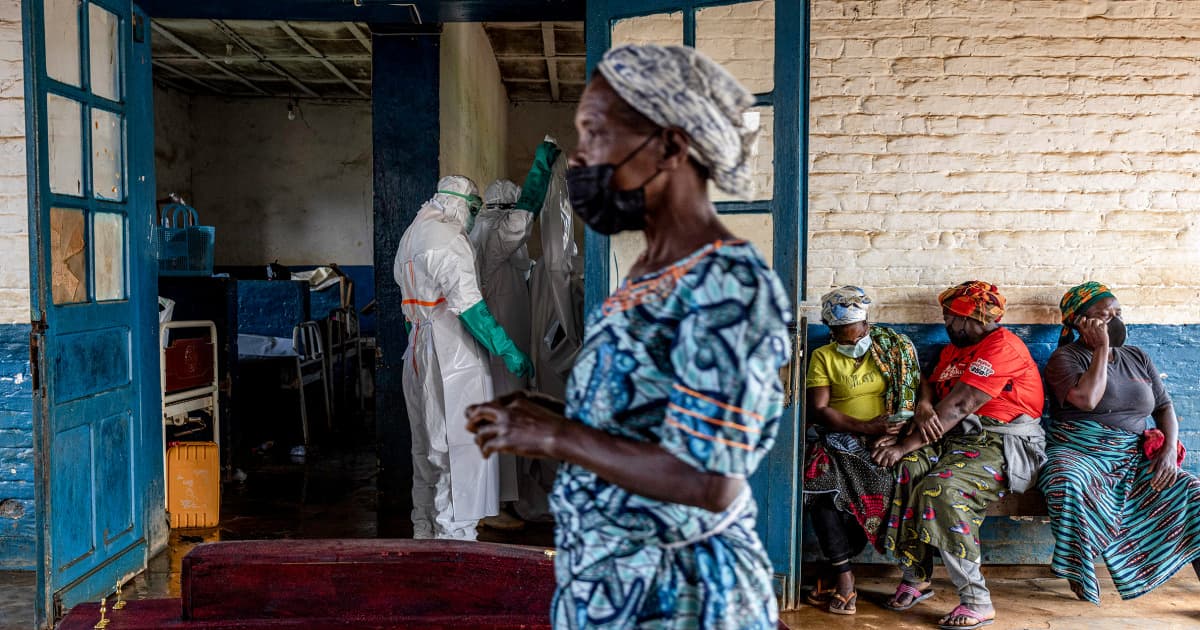
Burial dispute sparks violence at Ebola treatment site in Congo
A burial fight in Rwampara erupted into arson at Ebola tents after doctors refused to release a suspected victim's body. The clash exposed how mistrust can shatter containment.

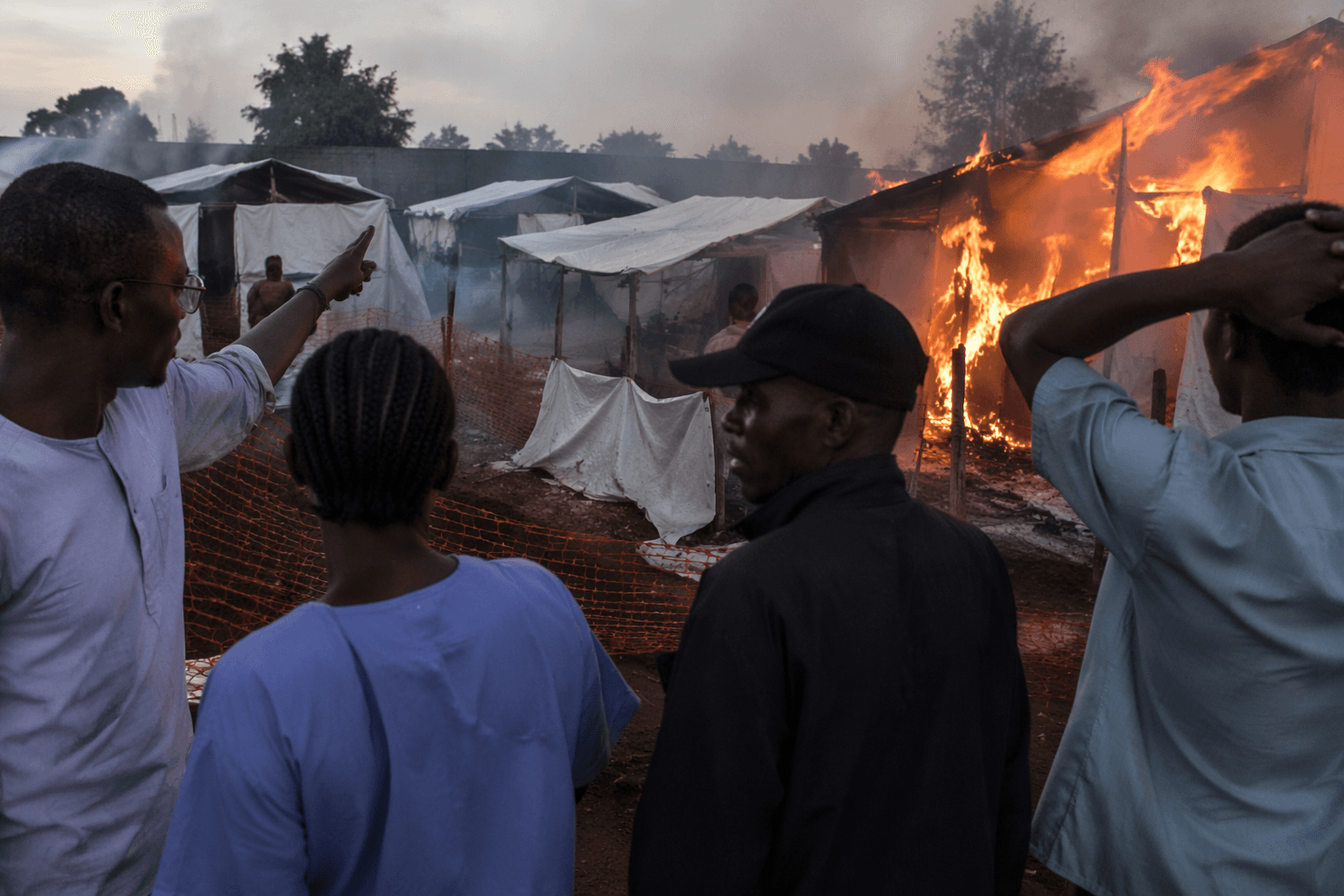
Fire tore through tents used to treat Ebola patients in Rwampara after a burial dispute escalated into violence over the body of a suspected Ebola victim.
Authorities refused to hand over the body to the family, who wanted to bury him themselves, and the standoff quickly drew a crowd. Reuters witnesses said protesters set the treatment tents ablaze while police fired warning shots and tear gas to break up the gathering. The dead man was described locally as a beloved footballer, a detail that helped turn a public-health dispute into an emotional confrontation in eastern Democratic Republic of Congo.
The clash underscored the central tension in Ebola response: health officials need safe burials because bodies remain highly infectious, but families often want to care for their dead according to local customs. In Rwampara, that collision between outbreak protocol and burial tradition spilled into open violence, showing how quickly grief and mistrust can undermine infection control.
The stakes are especially high in this outbreak. The World Health Organization said the Democratic Republic of Congo declared its 17th Ebola outbreak on May 15, after the national laboratory confirmed Bundibugyo virus disease in 8 of 13 blood samples from Rwampara Health Zone on May 14. WHO said there is no licensed vaccine or specific therapeutic for Bundibugyo virus, and that past outbreaks of the strain have had case fatality rates of 30% to 50%.
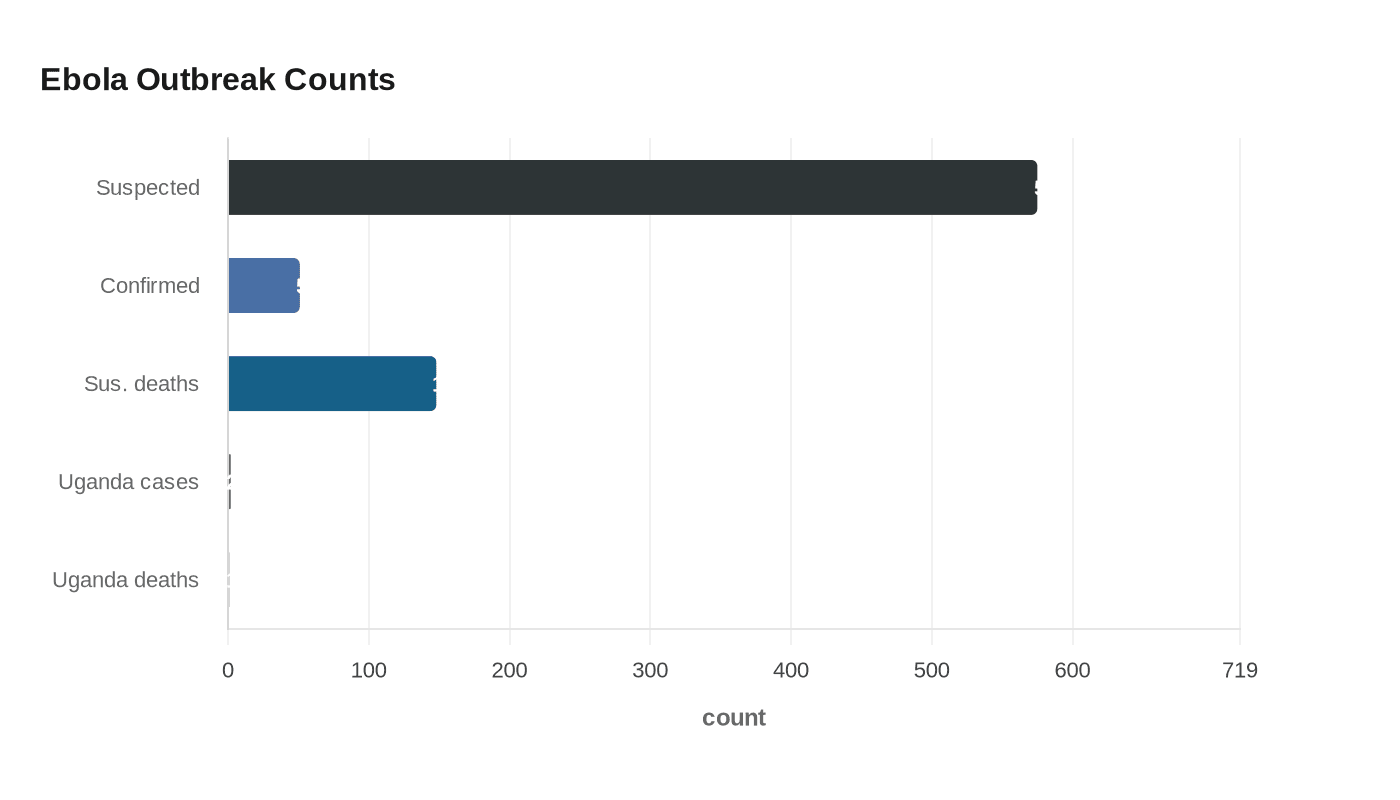
The U.S. Centers for Disease Control and Prevention said there is no FDA-licensed or authorized vaccine for Bundibugyo virus infection and that supportive care remains the best available treatment. As of May 21, CDC said the DRC and Uganda were reporting 575 suspected cases, 51 confirmed cases and 148 suspected deaths, including 2 confirmed cases and 1 death in Uganda linked to travel from Congo.
Health agencies have warned that the outbreak is unfolding in a difficult setting marked by humanitarian crisis, insecurity and high population mobility. Africa CDC has said the region’s instability complicates response efforts, while WHO declared the outbreak a Public Health Emergency of International Concern on May 17.
The Rwampara violence showed that the battle against Ebola is not only medical. It is also a fight for trust, and when families believe authorities are denying dignity to the dead, even the most basic containment measures can become flashpoints.
Know something we missed? Have a correction or additional information?
Submit a Tip