WHO confirms Congo Ebola outbreak, health workers and children at risk
A health worker was among the first Ebola cases in Ituri, underscoring how insecurity and weak trust are hampering control of Congo’s 17th outbreak.
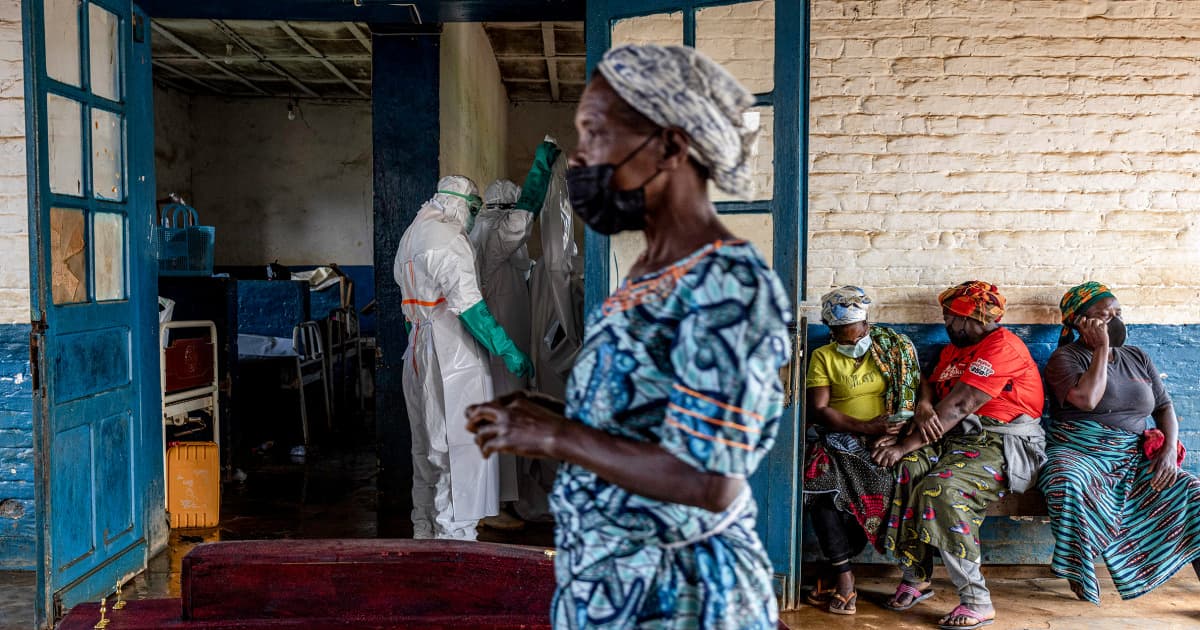
A health worker was among the first Ebola cases Rose Tchwenko heard about in Ituri Province, a warning that the virus was already reaching the people meant to stop it. The outbreak, confirmed by the World Health Organization and Congo’s authorities in May, has put frontline staff, children and families in a remote but densely populated corner of eastern Democratic Republic of the Congo at immediate risk.
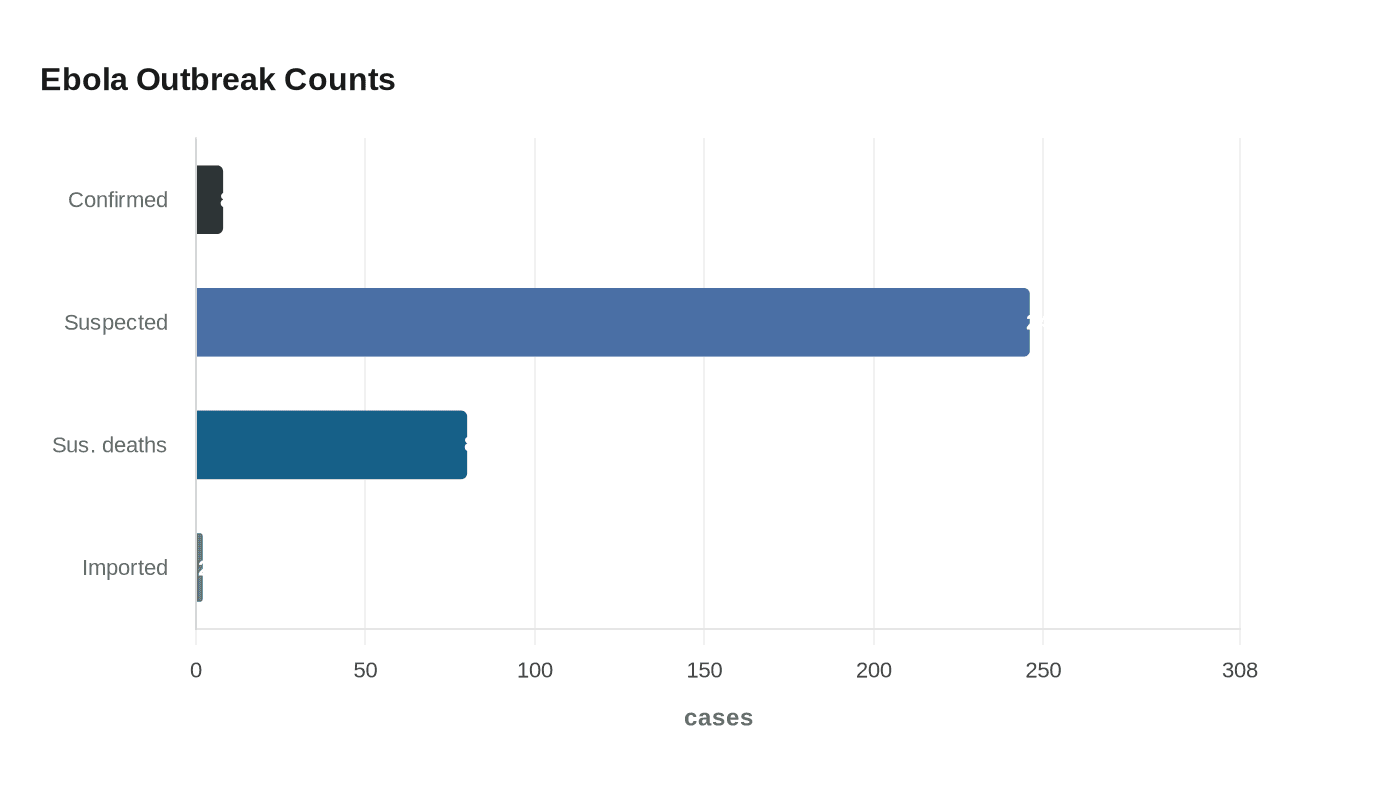
The Ministry of Public Health, Hygiene and Social Welfare declared the country’s 17th Ebola outbreak on May 15, after WHO was alerted on May 5 to a high-mortality illness in Mongbwalu Health Zone that included deaths among health workers. By May 16, WHO said there were eight laboratory-confirmed cases, 246 suspected cases and 80 suspected deaths across at least three health zones: Bunia, Rwampara and Mongbwalu. Uganda later confirmed two imported cases linked to travel from Congo, including one in Kampala, showing how quickly the outbreak was crossing borders.
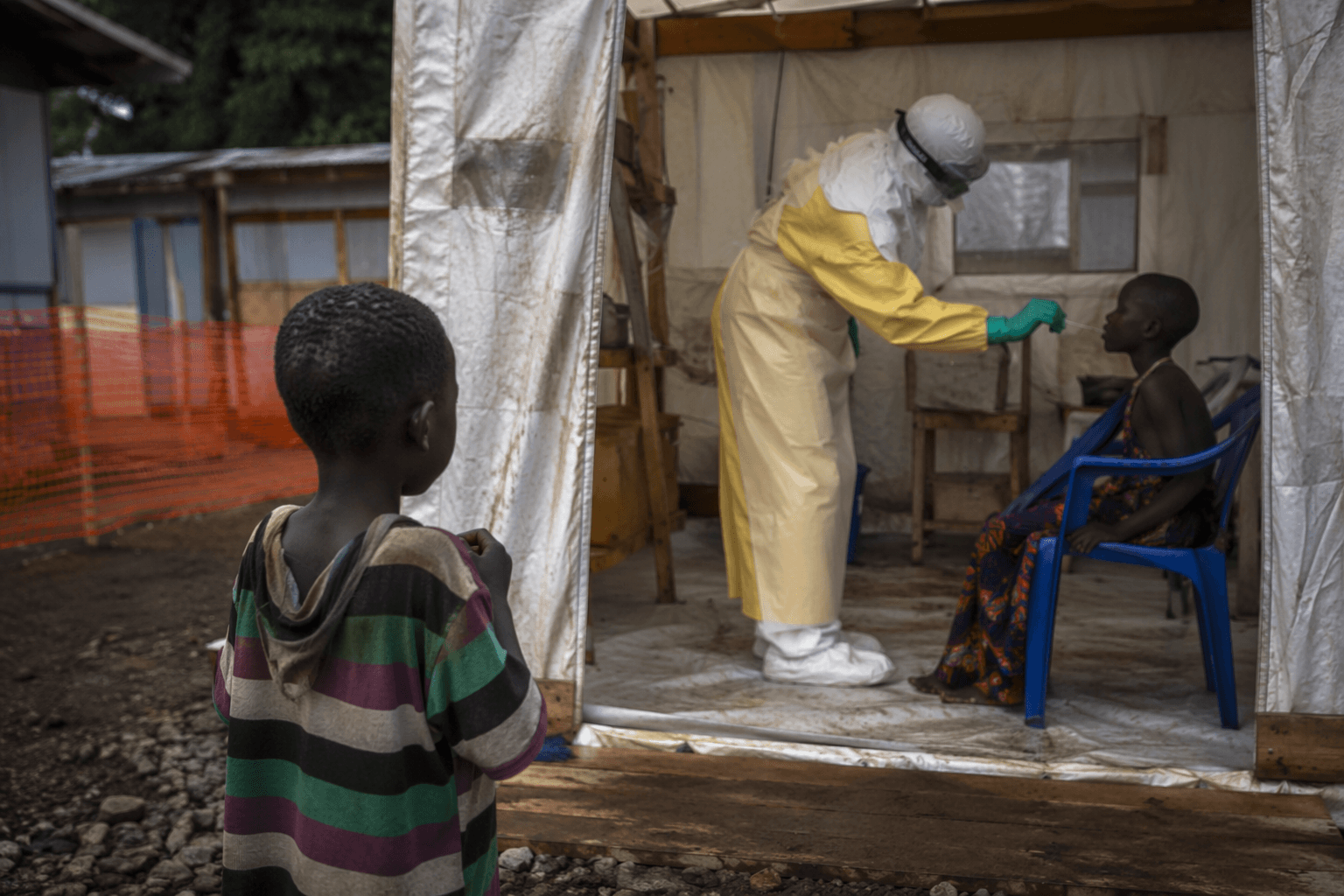
This outbreak is caused by Bundibugyo virus disease, a species of Ebola first identified in 2007 in Bundibugyo district in western Uganda, where 131 cases and 42 deaths were recorded. WHO says there is no licensed vaccine or specific treatment for Bundibugyo virus, which makes early supportive care essential. In outbreaks like this, survival depends on swift isolation, hydration and treatment of complications, but those measures only work when patients are identified early and brought into care.
That is proving difficult in Ituri. WHO said the outbreak is unfolding amid insecurity, a humanitarian crisis, high population movement and a remote, densely populated area with many informal health facilities. Those conditions can delay detection, scatter contacts across roads and camps, and push sick people toward unregulated care instead of formal treatment. WHO said community engagement would be key to controlling spread, a sign that public trust will matter as much as laboratory testing and protective equipment.
UNICEF said it was deeply concerned about the outbreaks in Congo and Uganda and warned of a growing risk to children and vulnerable communities across the region. Children are especially exposed when transmission spreads within households, through schools or in crowded displacement settings, where access to routine care is already fragile.
For WHO, the challenge is no longer just a medical one. The organization has deployed support, but the outbreak sits at the intersection of public health, conflict and governance, where rumor, insecurity and weak confidence in formal care can move faster than contact tracing. In eastern Congo, the fight against Ebola is once again being waged not only against a virus, but against the conditions that let it spread.
Know something we missed? Have a correction or additional information?
Submit a Tip