Quitting smoking may lower dementia risk, especially without weight gain
Quitting smoking cut dementia risk by 16% in a 10-year study, but the benefit weakened for people who gained 22 pounds or more.

Quitting smoking was linked to a lower risk of dementia in older adults, but the payoff appeared to depend partly on what happened to body weight after the last cigarette. In a study published May 20 in Neurology, researchers followed 32,802 adults without dementia for an average of 10 years and found that people who stopped smoking had a 16% lower risk of developing dementia than those who kept smoking.
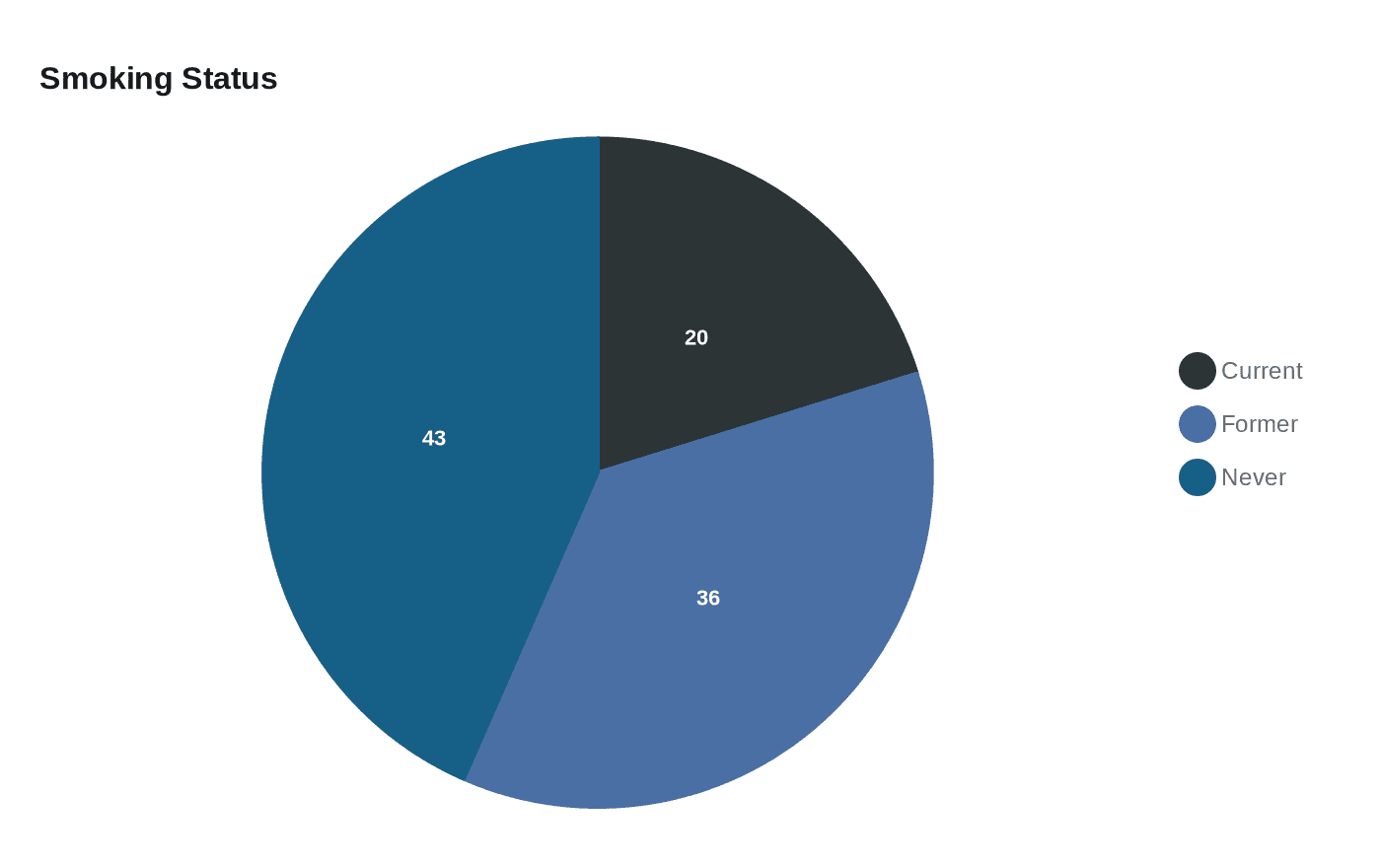
The study puts a practical public-health question at the center of smoking cessation: not just whether people quit, but how they manage the physical changes that can follow. The average participant was 61 years old. Among them, 20% were current smokers, 36% were past smokers, and 43% had never smoked. During follow-up, 5,868 participants developed dementia.

Hui Chen, dean of psychological and behavioral sciences at Zhejiang University School of Medicine in Hangzhou, China, said the concern matters because many people worry about weight gain and other metabolic changes after quitting. That fear can make the prospect of quitting feel like trading one health problem for another. The findings suggest that the tradeoff is more complicated than that, and that weight management may shape how much brain-health benefit smokers ultimately get from quitting.
The protective association held for people who gained up to 11 pounds after stopping smoking. But among those who gained 22 pounds or more, the reduced dementia risk disappeared. Participants were interviewed every two years about smoking status, body weight and health, and dementia was identified through memory and thinking tests along with reports from people who knew the participants.
The results do not prove that quitting smoking directly prevented dementia, but they do strengthen the case that cessation may help protect long-term brain health. U.S. News reported that the benefit grew over time, with dementia risk among former smokers approaching that of never-smokers after about seven years. That pattern suggests the brain-health payoff from quitting may take years to emerge, even as the cardiovascular and lung benefits begin sooner.
For doctors, the message is straightforward and more nuanced than a simple anti-smoking slogan. Smoking cessation remains one of the most important modifiable steps for long-term health, and this study adds another reason to help patients quit while also addressing weight gain early. The goal is not perfection after quitting, but a better chance that stopping smoking will lower, rather than dilute, the risk of dementia later in life.
Know something we missed? Have a correction or additional information?
Submit a Tip