Burnham cuts VAT on household electricity in first cabinet meeting
Andy Burnham cut VAT on household electricity to 0%, promising a cost of living government and about £45 a year in relief for a typical home.
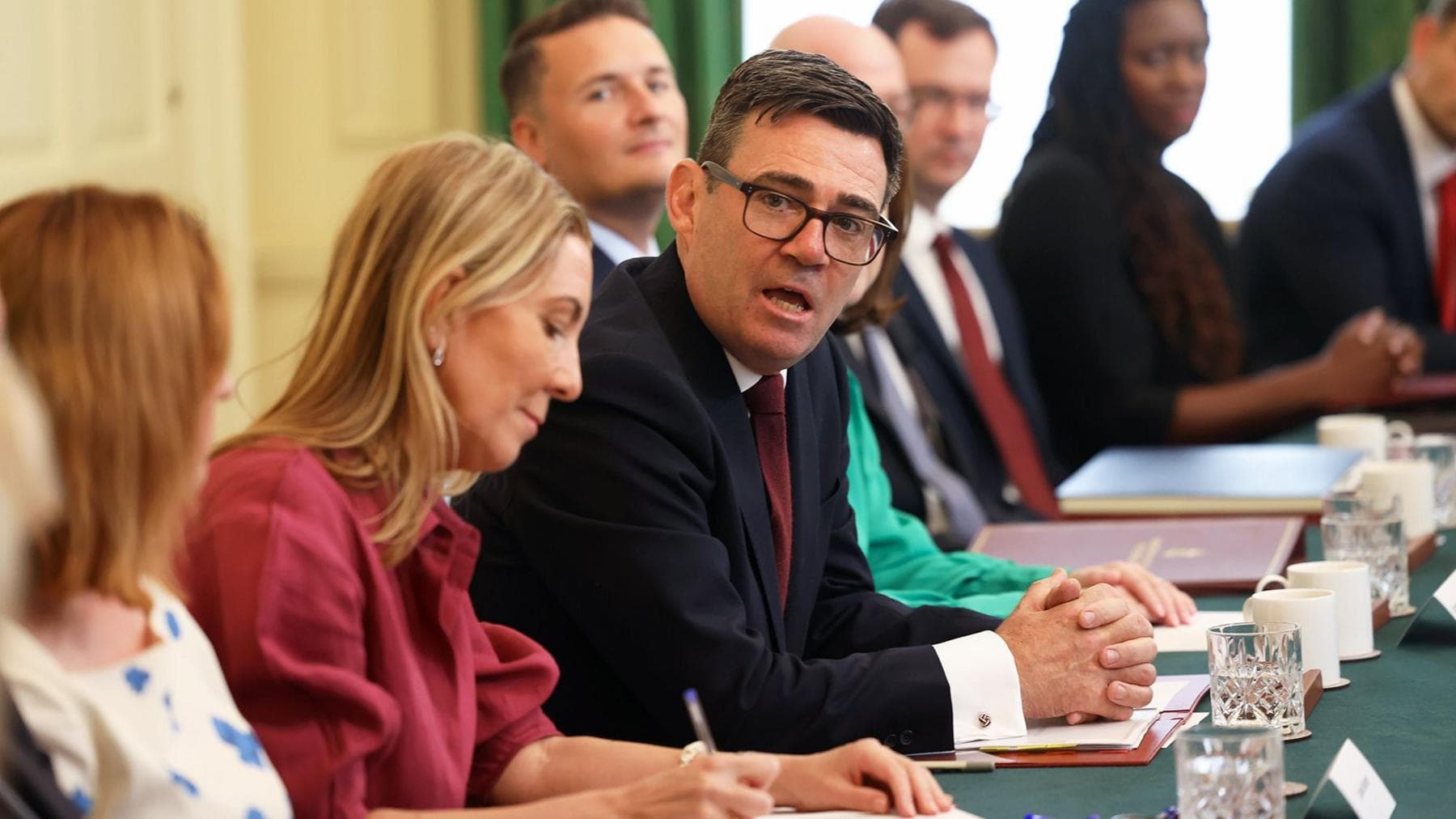
Andy Burnham used his first cabinet meeting as prime minister to cut VAT on household electricity bills from 5% to 0% from 1 October. Announced on his first full day in office, the move is expected to save a typical household about £45 a year, a small but immediate reduction against the monthly pressure of energy, rent, food and wages.
At Downing Street, Burnham told his newly assembled ministers that he wanted to lead a “cost of living government” and make living expenses a central priority. He said the new administration needed to be ready to “reprioritise” and give people a “sense that help is coming” on costs, language that set the tone for his first major domestic policy move.

The cut has a political as well as fiscal purpose. It is designed to show quick relief on a visible bill while also reassuring the markets that the new government intends to manage the public finances tightly. The measure will be funded by scrapping Burnham’s predecessor’s digital ID scheme, linking the tax cut to an offset elsewhere in the budget rather than open-ended borrowing.
Burnham’s first cabinet line-up reinforced that message. John Healey was named chancellor, putting the Treasury in the hands of a minister expected to defend the new cost-of-living pitch, while Ed Miliband took over as foreign secretary. The appointments suggest Burnham wants the cabinet to present the electricity VAT cut as the opening step in a broader economic reset, not a one-off giveaway.
Whether the policy is remembered as immediate relief or political branding will depend on what follows. A £45 annual saving is meaningful for households already squeezed by high bills, but it does not alter the scale of the squeeze from housing, groceries and pay. If Burnham is serious about a wider cost-of-living agenda, the next proof will be whether the government moves beyond electricity and tackles the rest of the monthly bills that still define household budgets.
This article was produced by Prism’s automated news system from verified source data, official records, and press releases, then run through automated quality and moderation checks before publishing. The system is built and supervised by the people who set the standards it runs under. Read our full AI policy.
Did this article answer your question?