Democrats move to block Trump likeness on U.S. currency and passports
Senate Democrats moved to bar living presidents from U.S. currency after Treasury weighed a Trump coin, escalating fights over his image on money and public buildings.
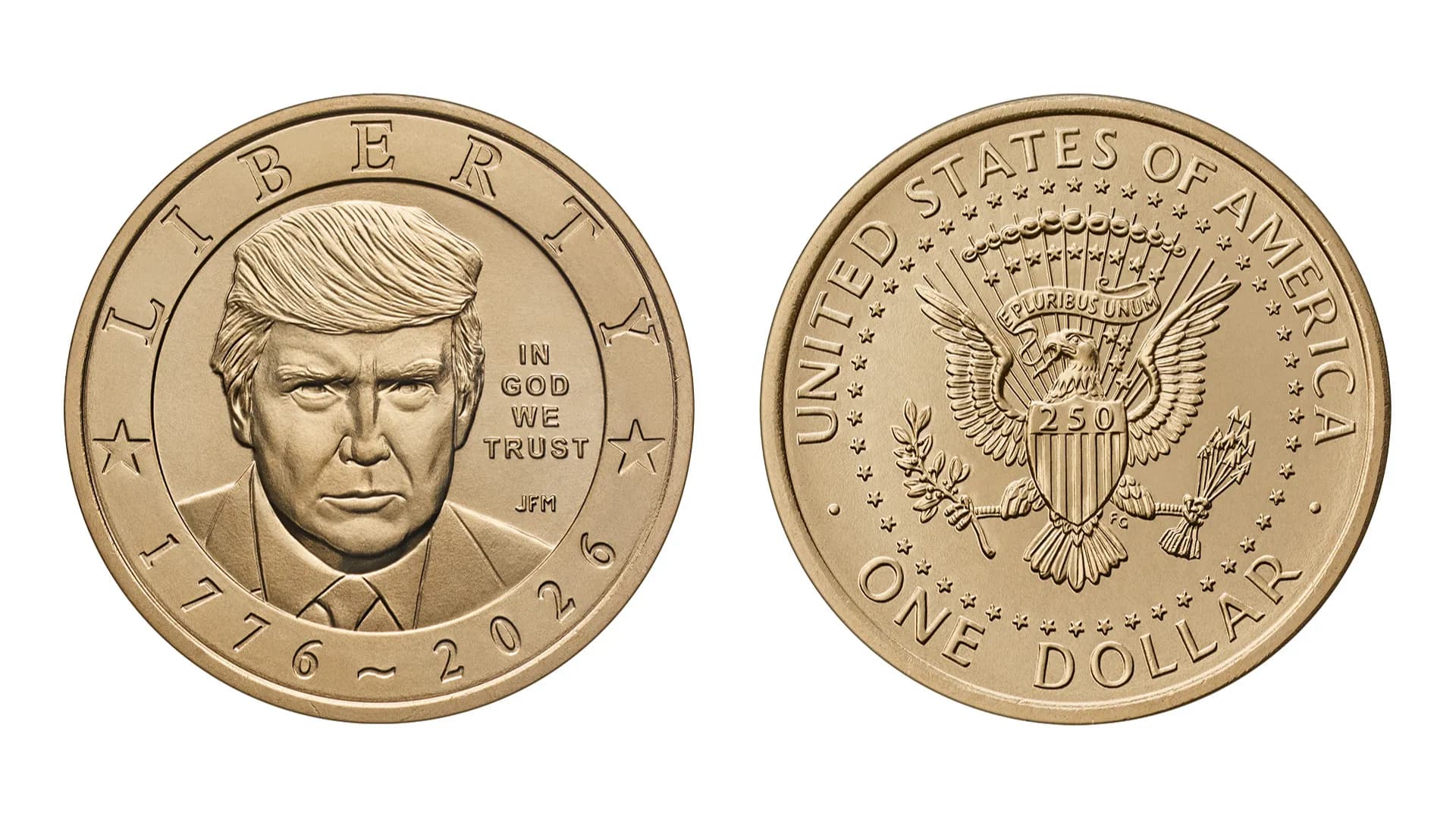
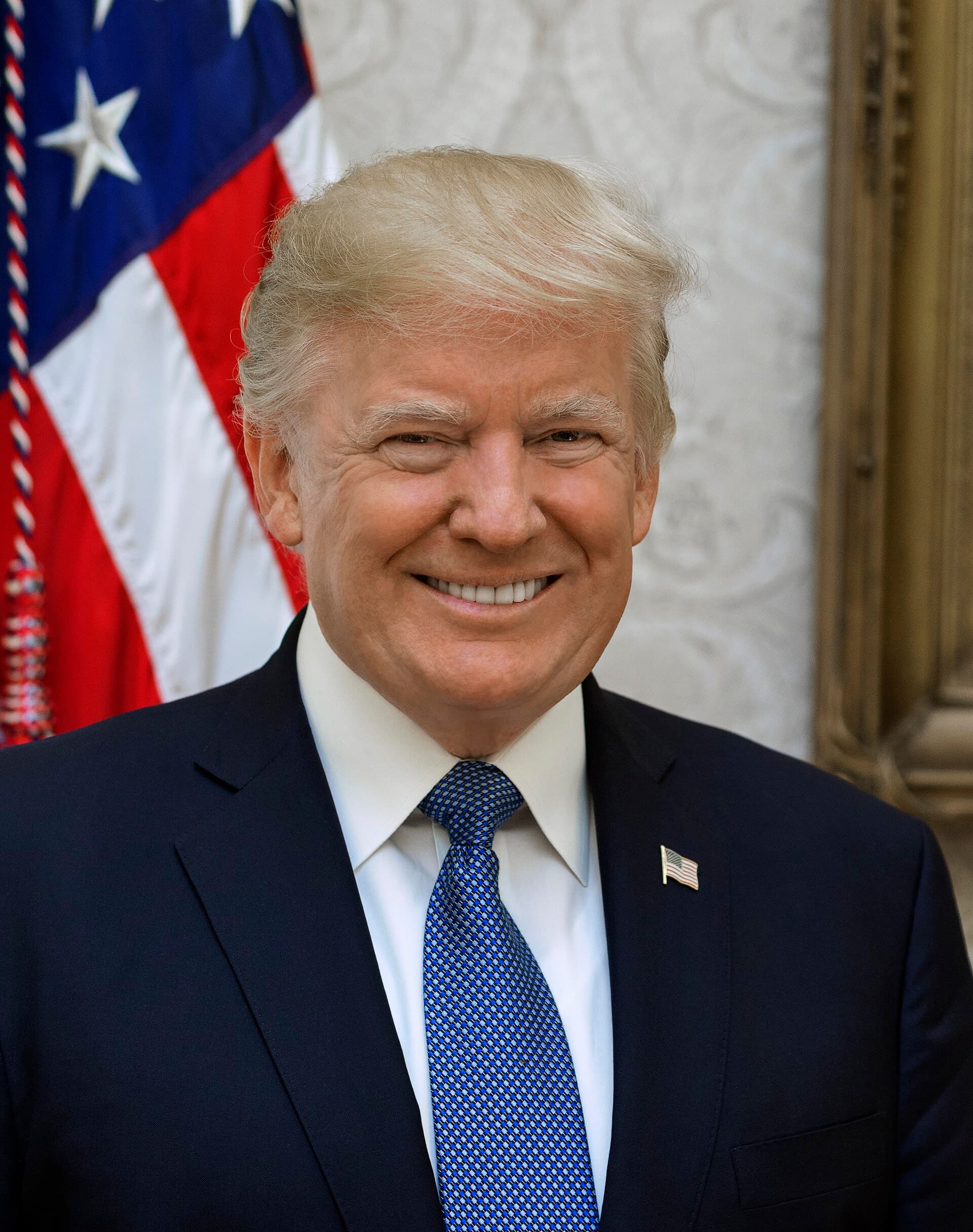
Senate Democrats moved to block Donald Trump’s likeness from U.S. currency, introducing the Change Corruption Act to bar any living or sitting U.S. president from appearing on American money. The bill from Catherine Cortez Masto of Nevada and Jeff Merkley of Oregon came as they pressed Treasury Secretary Scott Bessent to reject proposed dollar coin designs featuring Trump.
The push landed after reports that the Treasury Department was considering a dollar coin with Trump’s face on it. Cortez Masto and Merkley framed their legislation as a guardrail against a sitting president turning public currency into personal branding, while also warning the Treasury against moving ahead with a coin design that would break with modern norms.
The currency fight is part of a broader Democratic campaign against what lawmakers describe as Trump’s use of federal power and public space for self-promotion. Democrats have attacked a privately funded White House ballroom as a vehicle for corruption and pay-to-play concerns, with Elizabeth Warren and the Trust for the National Mall highlighting new details about ballroom payments and warning about secret quid-pro-quo deals. House Appropriations Democrats said the Trump administration spent tens of millions in taxpayer funds on the ballroom and then lied about it.
Other Democrats have tied the same theme to Washington landmarks. Rep. Steve Cohen said he watched the Lincoln Memorial Reflecting Pool fill with algae after what he called another of Trump’s misbegotten vanity projects, a line that captures how the party is casting the issue as more than symbolism. The complaint is not only about Trump’s image but about the physical cost of projects that Democrats say reshape public spaces while putting taxpayer money and federal authority behind personal spectacle.
Senate Democrats have also been using shadow hearings and oversight-style events to amplify those concerns, including arguments that Trump-linked construction and branding efforts amount to corruption, whitewashing and abuse of public resources. The fight now extends beyond currency to possible likeness use on passports, buildings and other government materials, turning the question of who gets represented on federal property into a test of what limits still exist on presidential self-branding.
This article was produced by Prism’s automated news system from verified source data, official records, and press releases, then run through automated quality and moderation checks before publishing. The system is built and supervised by the people who set the standards it runs under. Read our full AI policy.
Did this article answer your question?