Trump fires Seattle U.S. attorney less than an hour after swearing-in
Trump fired Seattle’s new federal prosecutor 54 minutes after swearing him in, and Roger Rogoff immediately sued over who controls vacant U.S. attorney posts.
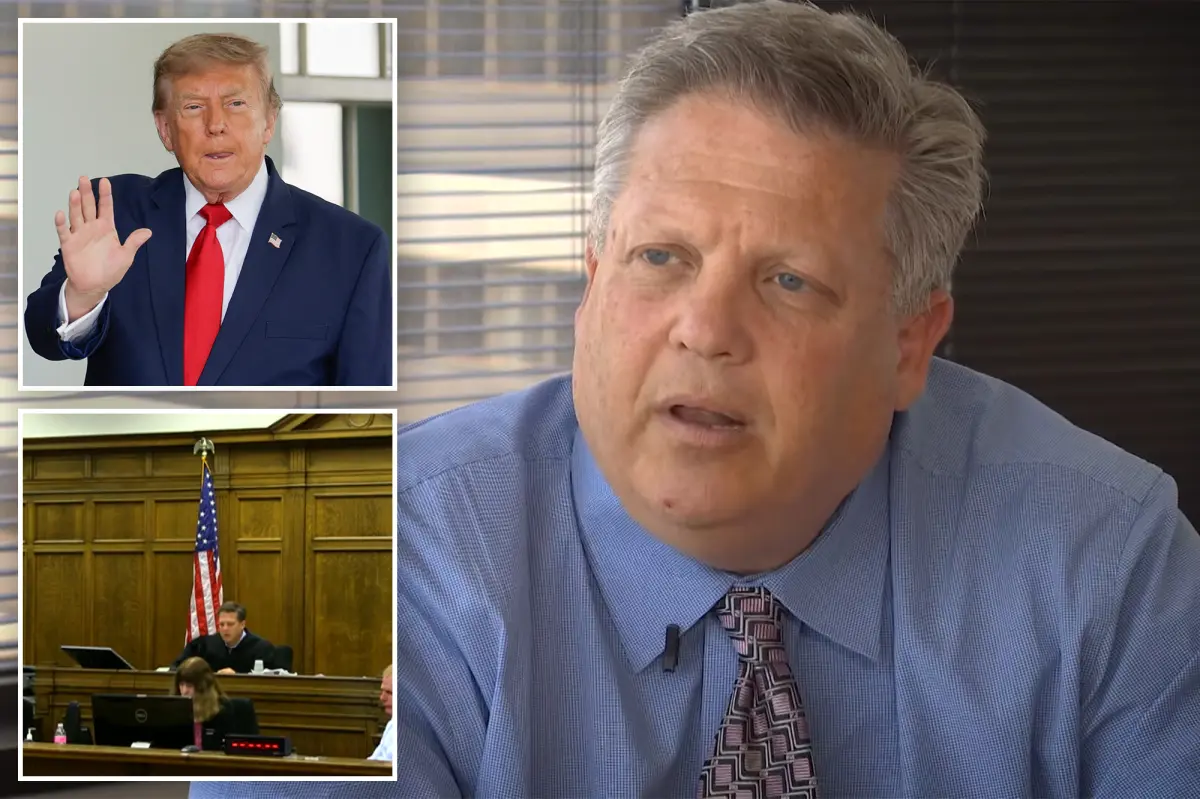
President Donald Trump fired Seattle’s new top federal prosecutor 54 minutes after federal judges in the Western District of Washington swore in Roger Rogoff at 7:40 a.m., turning a routine vacancy fill into a test of who controls federal prosecutors.
Rogoff, a former King County Superior Court judge and federal prosecutor, had been unanimously appointed by the district’s judges after the Trump administration’s interim pick reached the end of a temporary term. His removal came less than an hour after he took the oath, and Rogoff became the first person to sue over being taken out of office in that way.
The dispute now centers on two competing claims of authority. Rogoff’s lawsuit says the administration cannot remove him as U.S. attorney without first winning Senate approval for another candidate, while the Department of Justice says the president has the power to remove temporary U.S. attorneys. The clash reaches beyond Seattle: it puts the executive branch’s control over federal prosecutors against the role Congress gave district judges when vacancies open and no Senate-confirmed nominee has replaced them.
Rogoff said he expected the firing after weeks of silence from the administration and believed the move was most likely unlawful. When asked about serving as U.S. attorney in Seattle for less than an hour, he called it the “greatest hour in my life.” The line captured the speed of the confrontation and the stakes behind it, with the office changing hands almost as fast as Rogoff could take his seat.
The case could redefine how interim U.S. attorneys are chosen and whether judges’ temporary appointments can survive once the White House decides to act. It also raises a broader separation-of-powers question: whether federal prosecutors installed by district judges operate with any real independence if a president can dismiss them before the Senate weighs in on a permanent nominee.
This article was produced by Prism’s automated news system from verified source data, official records, and press releases, then run through automated quality and moderation checks before publishing. The system is built and supervised by the people who set the standards it runs under. Read our full AI policy.
Did this article answer your question?