Burnham plans Westminster return as oil market crunch looms
Burnham is eyeing a Westminster comeback while oil markets brace for a crunch, and both stories point to a politics ruled by timing.
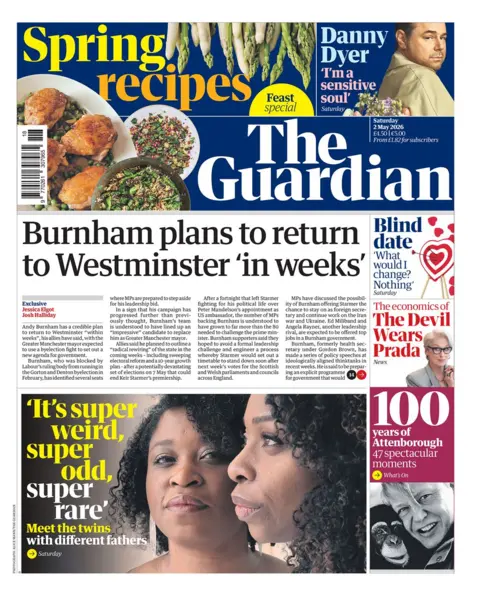
Saturday’s front pages pointed to a Labour party trying to manage its own succession story while a growing energy shock unsettled the wider political mood. Andy Burnham, the Greater Manchester mayor and former health secretary, is reported to be preparing a return to Westminster within weeks, with a Commons seat potentially opening through a by-election. His allies are said to want to avoid a formal leadership challenge to Keir Starmer, even as they expect pressure to intensify after the May 7 local elections.
The speculation has sharpened because Burnham was blocked from standing in the Gorton and Denton by-election in February 2026, when Labour’s National Executive Committee voted 8 to 1 against his application. That decision was shaped in part by the cost of triggering a Greater Manchester mayoral by-election and by fears that Reform could take the mayoralty if Burnham left the post. Burnham’s next move is now being framed around a progressive policy platform and a replacement mayoral candidate strong enough to let him step back into Westminster without leaving a vacuum behind him.

The immediate significance is political timing. Burnham supporters believe poor Labour results on May 7 could create wider pressure on Starmer, but the current strategy suggests they want that pressure to build indirectly rather than through an open leadership fight. Several MPs are reportedly willing to step aside if a seat can be found, turning Burnham’s return into a test of how quickly Labour’s internal balance can shift once the local-election verdict is in.
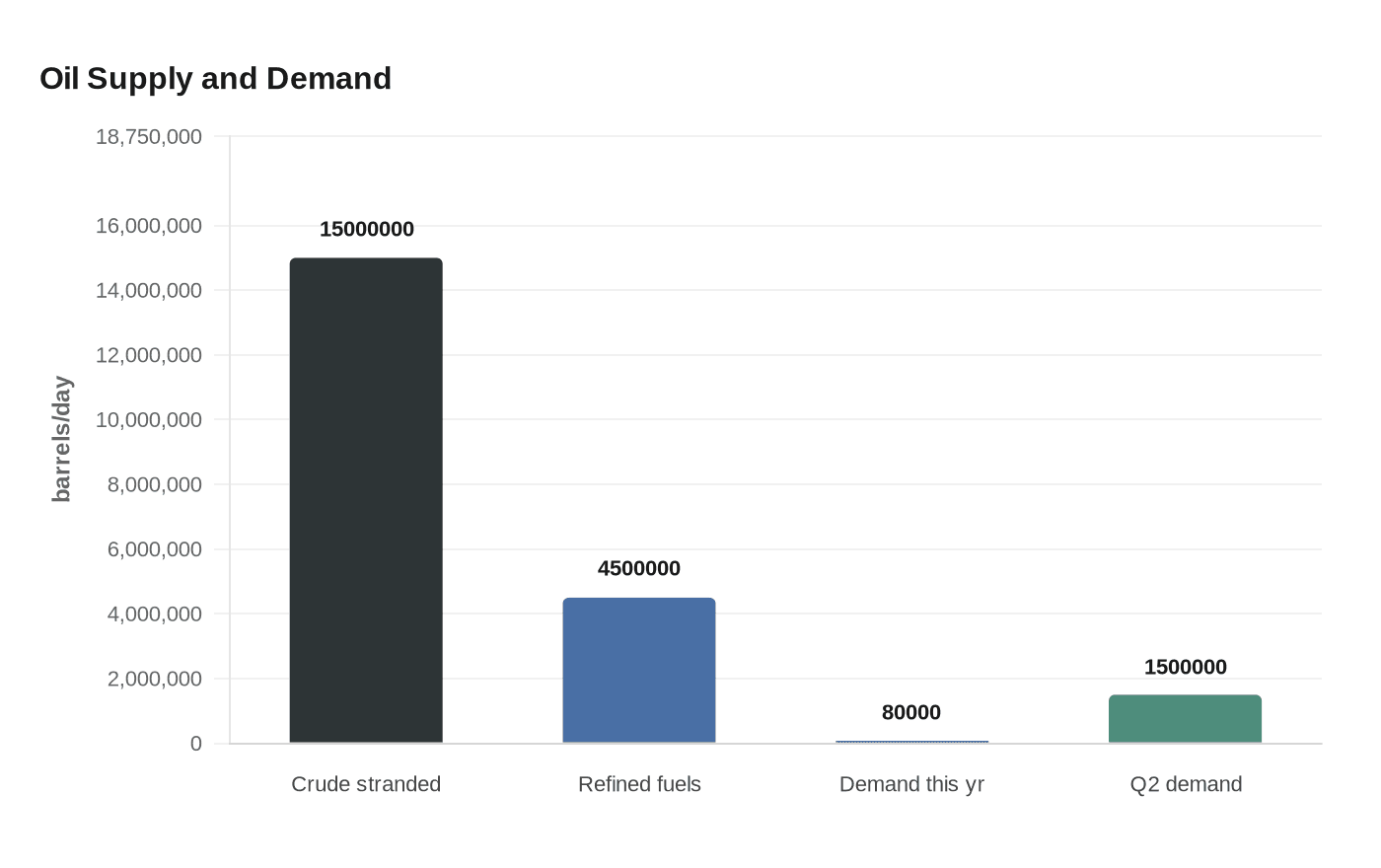
The other dominant theme in the papers was not party management but energy anxiety. Oil markets are said to be one month from a crunch point as global stockpiles dwindle and the Strait of Hormuz blockade keeps supply under strain. Nearly 15 million barrels a day of crude production and another 4.5 million barrels a day of refined fuels have been left effectively stranded in the Gulf, while Brent crude surged above $90 a barrel in early March after the conflict began. The International Energy Agency’s April 2026 outlook says oil demand is expected to contract by 80,000 barrels a day this year and by 1.5 million barrels a day in the second quarter, the sharpest fall since Covid-19. CME Group says futures have moved into steep backwardation, with December 2026 WTI as much as $40 below May or June delivery.
Taken together, the stories reveal a political moment defined by contingency. Labour is weighing personnel, succession and electoral timing; the oil market is pricing in scarcity, volatility and the risk of another shock. The next phase of British politics looks set to be shaped as much by what happens after May 7 as by the pressure already building around prices, power and who gets to define the government’s next move.
This article was produced by Prism’s automated news system from verified source data, official records, and press releases, then run through automated quality and moderation checks before publishing. The system is built and supervised by the people who set the standards it runs under. Read our full AI policy.
Did this article answer your question?

