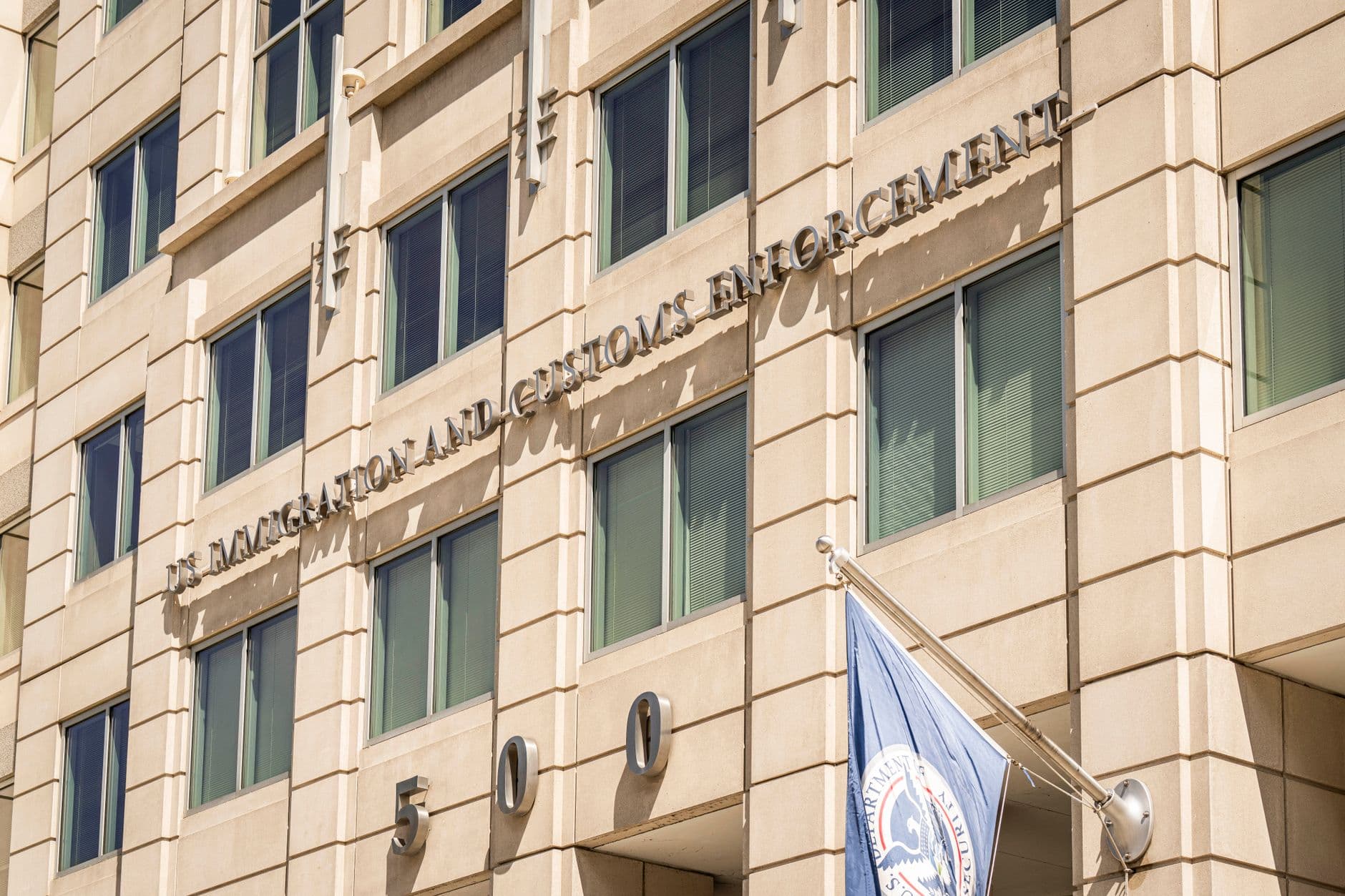
Tennessee, Alabama governors call special sessions as redistricting fight intensifies
Tennessee set a May 5 special session that could erase Memphis's lone Democratic House seat. Alabama's map fight could reshape Black voting power across the South.

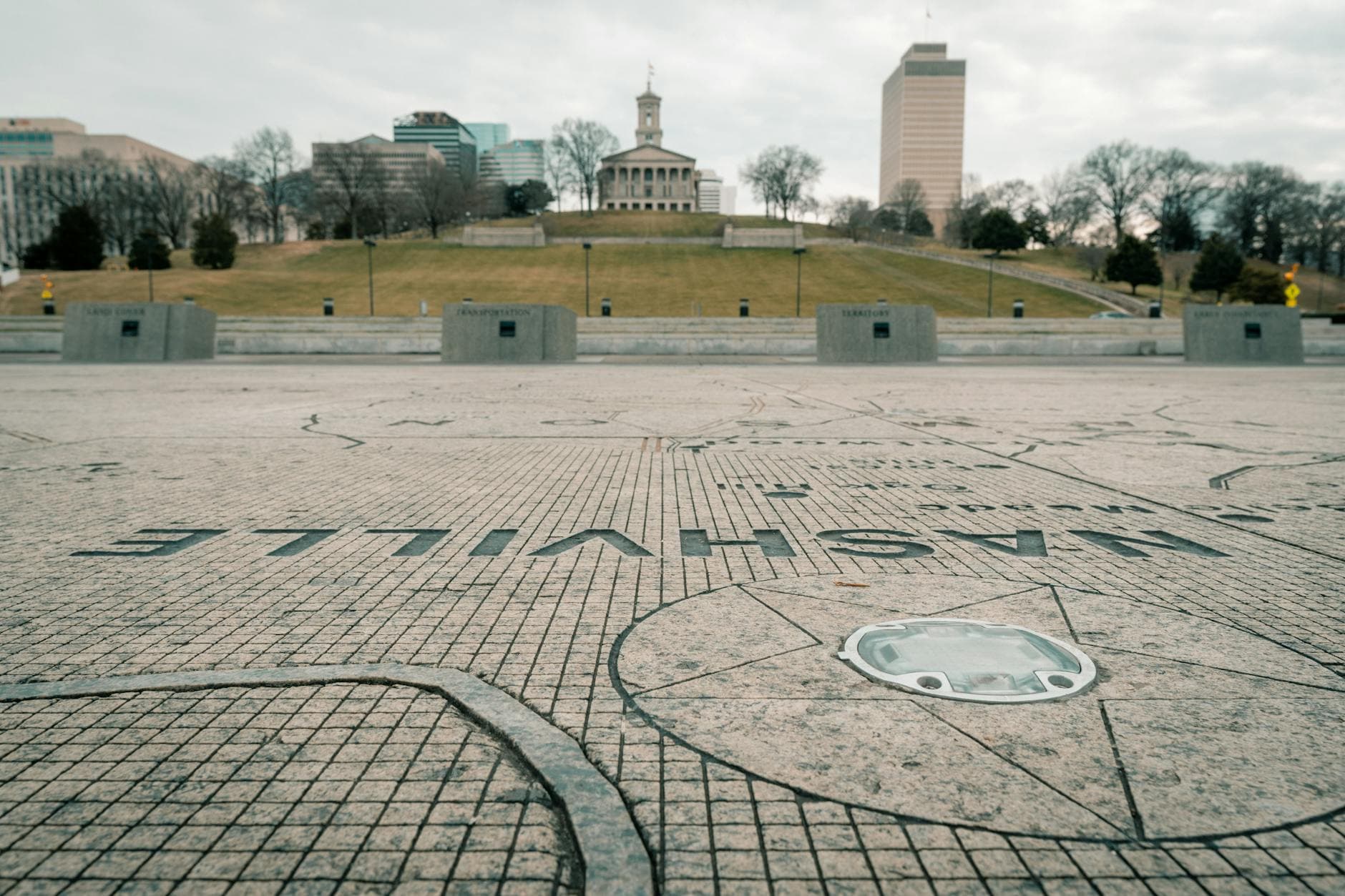
A special session in Tennessee could quickly redraw the state’s congressional map and put Memphis’s only Democratic-held U.S. House seat in jeopardy before the 2026 midterms are set.
Gov. Bill Lee announced the session on May 1 and said the Tennessee General Assembly will convene Tuesday, May 5, to review the map under tight election-qualifying deadlines. Lee said he consulted with the lieutenant governor, House speaker, attorney general and secretary of state before moving ahead, and framed the effort as a matter of “reflective representation.” Behind the scenes, pressure has mounted from U.S. Sen. Marsha Blackburn, who has pushed Republicans to redraw the map in a way that could wipe out the Memphis district held by Democrats.
The Alabama fight is rooted in a ruling that has already reshaped the state’s politics. On June 8, 2023, the Supreme Court in Allen v. Milligan held that Alabama’s 2022 congressional map likely violated Section 2 of the Voting Rights Act and reaffirmed that the state should have two districts in which Black voters make up a voting-age majority or come close to it. Before that decision, Alabama had only one majority-Black district out of seven, even though more than one in four residents are Black.
That ruling forced lawmakers into a compressed redistricting process. A three-judge federal panel gave Alabama until July 21, 2023, to adopt a new map, and Republicans had the votes at the time to pass one without Democratic support, though any plan still had to return to the panel. The state’s map had remained largely similar to the one that emerged from 1992 litigation, which produced Alabama’s first majority-Black district and its first Black U.S. House member since 1877.
Now the Tennessee and Alabama fights are being watched as a template for a broader Southern push. Republican officials and candidates in several states, including Georgia, Mississippi, Tennessee and South Carolina, have openly discussed mid-decade redraws aimed at weakening majority-Black or other minority-influence districts before the 2026 election cycle. If that effort spreads, the immediate effect would be felt not just in state capitols but in the balance of power in the U.S. House, where a few fast-tracked maps could decide whether Black voters and Democratic-leaning cities keep their last footholds or see them carved up before the next ballots are cast.
This article was produced by Prism’s automated news system from verified source data, official records, and press releases, then run through automated quality and moderation checks before publishing. The system is built and supervised by the people who set the standards it runs under. Read our full AI policy.
Did this article answer your question?