Business Standard Investigates Whether Ice Baths Deliver Promised Health Benefits
Business Standard reporter Sarjna Rai in India is probing whether ice baths and cold plunges deliver promised health gains as vendors push recovery claims and reviews warn the evidence is limited.

Business Standard reporter Sarjna Rai in India is examining if ice baths and cold plunges deliver promised health gains, investigating scientific backing and potential risks and tapping into growing wellness skepticism. The paper’s inquiry lands as commercial vendors and academic reviewers describe the practice very differently.
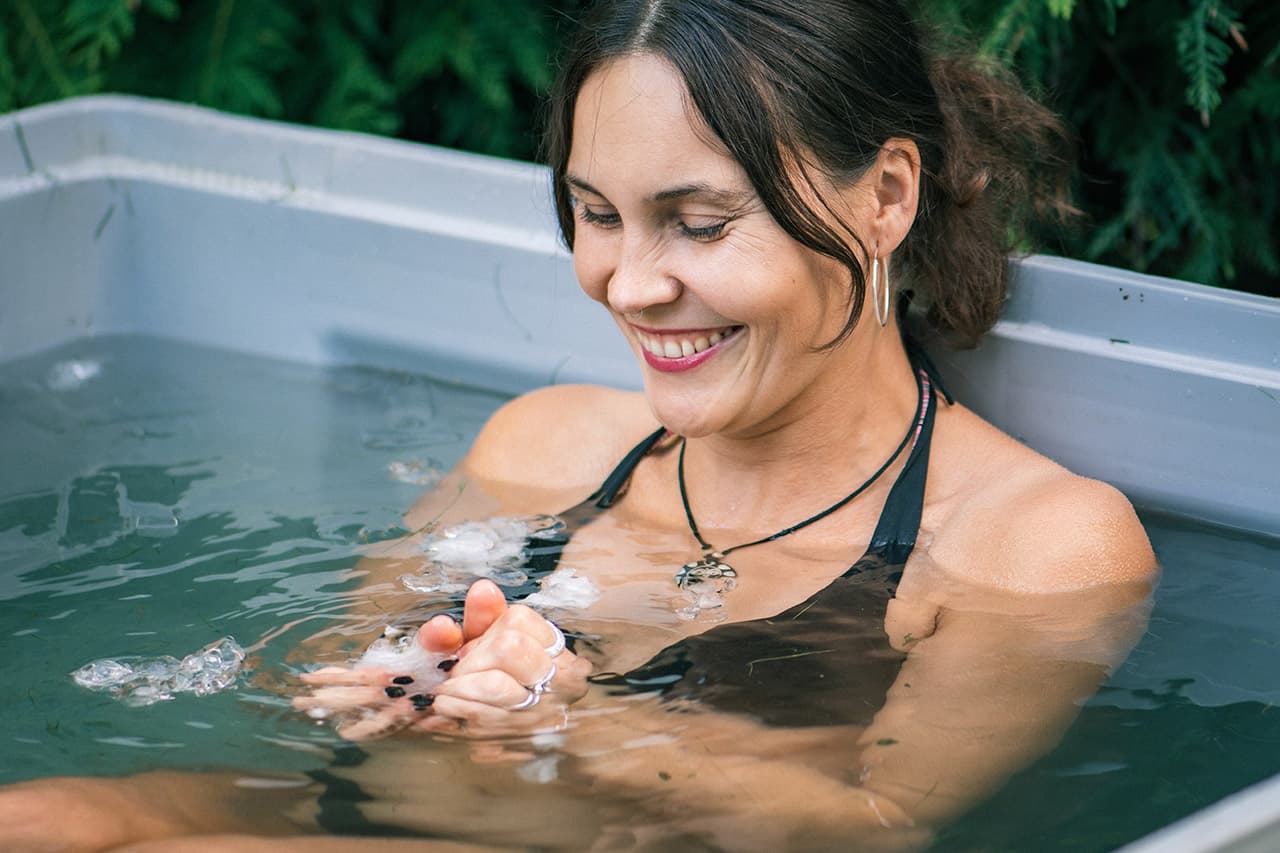
Ice baths are defined plainly in reviews indexed on PMC: "Ice baths, also known as cold baths or cold plunges, involve immersing the body in a container filled with cold water and ice, creating a lower temperature environment." Those reviews also set the common temperature range for the practice at "0 to 15 °C (32 to 59°F), depending on the amount of ice added."
On the consumer side, Passion Ice Baths frames cold plunging as a mainstream wellness product. In a FAQ titled "7 Commonly Asked Questions About Ice Baths," dated Aug 08, 2024 and signed by Samantha Rainwater, the company states, "Ice baths have become a popular wellness practice, with athletes and wellness enthusiasts alike embracing cold plunging for its health benefits." Passion lists products as "cold tub and ice shower products," invites readers to "Explore our collection and get started with your purchase today!" and provides a contact email, info@passionicebaths.com.
Passion Ice Baths offers explicit claims about benefits. The FAQ says, "One of the most well-known cold plunge benefits is their ability to reduce muscle soreness and inflammation. This makes them ideal for post-workout recovery." The company continues that "Whether you call it an ice bath, cold plunge, or cold tub, the purpose remains the same: to reduce inflammation, improve circulation, boost immunity, and promote overall well‑being," and that "Many users report feeling more energized and focused after regular cold tub sessions." The piece also notes that "cold water immersion is known to trigger the release of endorphins. This can help boost your mood and reduce stress."
By contrast, the narrative review material on PMC offers cautious language about effects and evidence. It notes skin and circulation effects such as a "temporary reduction in the appearance of pores and puffiness due to vasoconstriction of blood vessels in the skin" and "healthier skin resulting from improved blood flow," but it also warns, "While these benefits are biologically plausible, they are not yet supported by robust scientific evidence." The review authors report that they "combined search terms or keywords related to cold water therapy ("cold water therapy", "cold water compress", "cold water immersion", "ice bath", "cold shower") and cardiovascular and other health outcomes ("cardiovascular risk factors", "cardiovascular disease", "heart failure", "hypertension", "blood pressure", "dementia", "diabetes", "musculoskeletal system", "depression", "anxiety", "pulmonary disease", "sleep", "lipids", "inflammation", "oxidative stress", "arterial stiffness", "arterial compliance" and "intima media thickness")." The review further states that "The evidence on the health benefits was restricted to studies conducted in human populations, reported in English, and in adults."
There is one clear point of overlap and one sharp tension. Both Passion Ice Baths and the PMC excerpts identify athletes using ice baths to mitigate post-exercise muscle soreness and inflammation. Passion’s FAQ asserts the wider suite of benefits and sells products directly; PMC’s narrative reviews flag plausibility but emphasize limited, English-language, adult human evidence and limited data on underlying pathways. Business Standard’s Sarjna Rai is using that gap to probe potential risks and to interrogate marketing claims, but the supplied materials do not list specific adverse-event figures or clinical risk data.
Practical guidance in the Passion FAQ is minimal: under "2. How long should I stay in an ice bath?" the company writes, "The length of time you should spend in an ice bath depends on your tolerance and experience with cold water therapy." With temperatures cited at 0 to 15 °C and scientific reviews calling for more robust trials, the debate now hinges on better clinical data and clearer safety reporting; until those trials and safety figures appear, the split between vendor promises and cautious reviews is likely to shape how consumers and clinicians weigh ice baths.
Know something we missed? Have a correction or additional information?
Submit a Tip