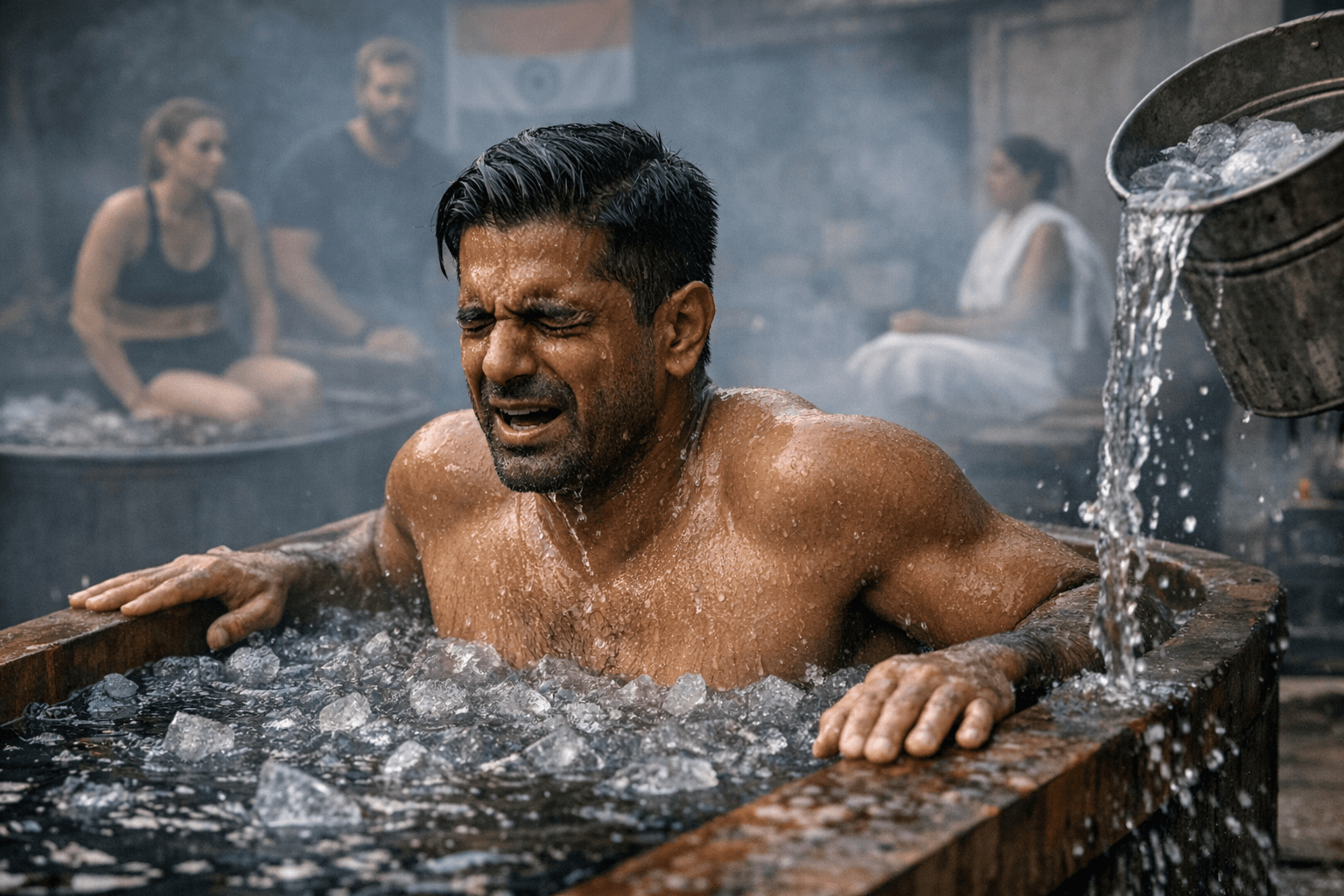
Dr. Stacy Sims: Women need tailored ice baths, colder not better
Dr. Stacy Sims says women do better in cool water around 16°C/56°F rather than icy 0–2°C, and recommends protocols from 2 x 30s to 6 x 3min tied to temperature.
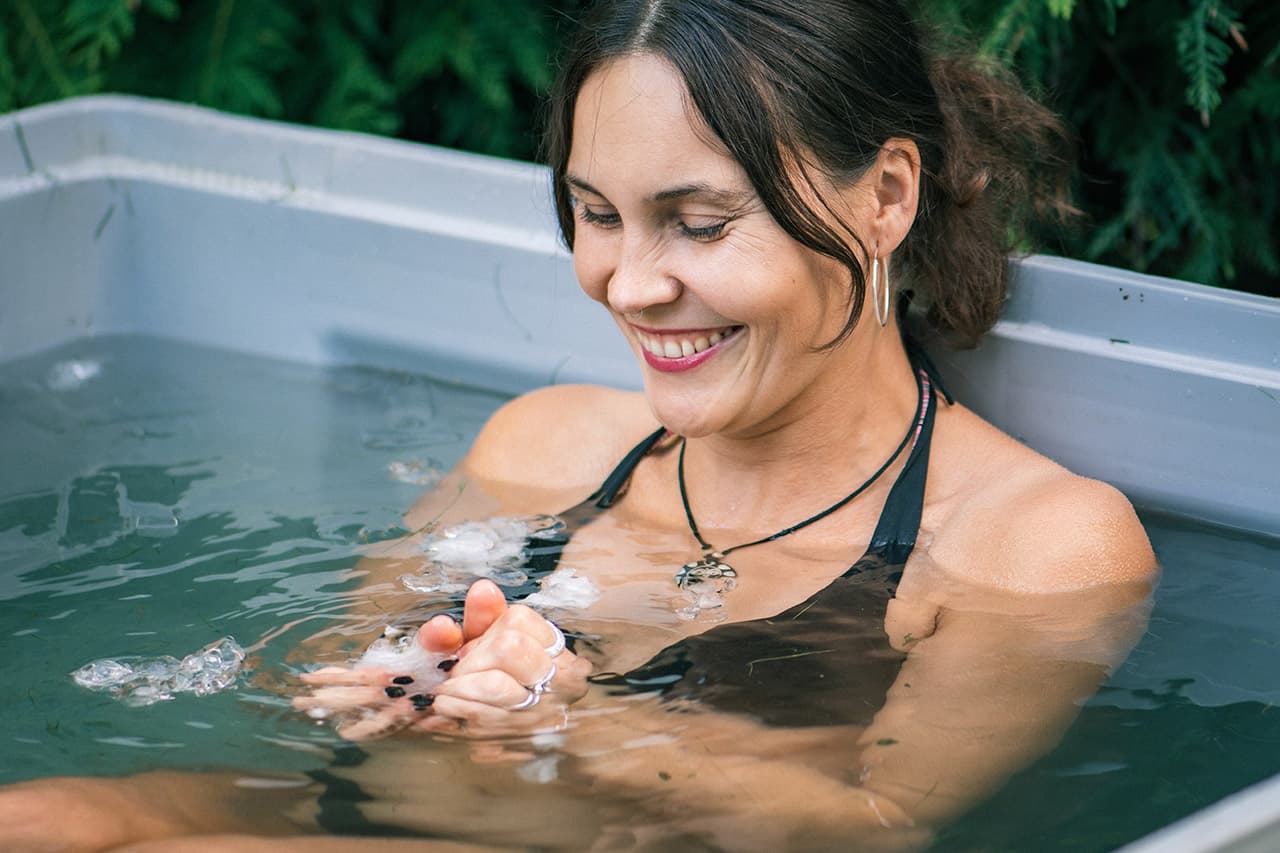
Dr. Stacy Sims, the exercise physiologist behind a microlearning course on heat and cold, argues that "colder isn't always better for ice baths" and that women generally "do better in cool water (~16'C/56'F) not cold (0-2'C/32-36'F) with regards to positive adaptations." Her guidance pushes back on one-size-fits-all plunging routines popular among athletes and influencers and prescribes gentler temperatures for female physiology.
Sims lays out a physiological mechanism at the center of her recommendation: "Cooling your body works by tricking your body into redistributing the blood from the skin back into circulation through the muscles." She contrasts male and female postexercise vascular responses, writing that "Men don’t necessarily need this, because their blood vessels naturally constrict postexercise to push blood away from the skin and back into the central circulation," while "Women on the other hand tend to vasodilate after exercise, meaning our blood tends to pool in our skin, dropping blood pressure and reducing blood flow to the damaged muscle." Her practical point is direct: "Cold water immersion for women can help speed up vasoconstriction after hard exertion, to get blood back centrally helping to increase blood pressure and circulation into the muscles."
On hormonal and immune responses, Sims highlights both potential benefits and measurable sex differences. She notes "The body’s response to cold-water immersion is to release norepinephrine, which can help decrease inflammation and can help increase your energy levels and mental focus," and concedes that "There are anecdotal reports and some evidence that cold exposure also improves immunity." At the same time she cites research showing "despite the similar experience of cold strain in men and women, the neuroendocrine and immune responses were larger in men, (That’s not to say women don’t benefit at all in this regard.)"
Sims supplements these claims with mechanistic and metabolic nuggets in a LinkedIn summary: "Women have a greater amount of cold receptors (a2C-adrenoceptors)," "The menstrual cycle phase increases our cold sensitivity," and that "There's a difference in neurotransmitter modulation in those taking the oral contraceptive pill; including a higher dopamine response to the cold compared to women who are naturally cycling." She also reports that "Women get better resting blood glucose responses than men in cold exposure" and that cold-related "Increased adiponectin (protein hormone from adipose cells) ... can change body composition" as part of the adaptation picture.
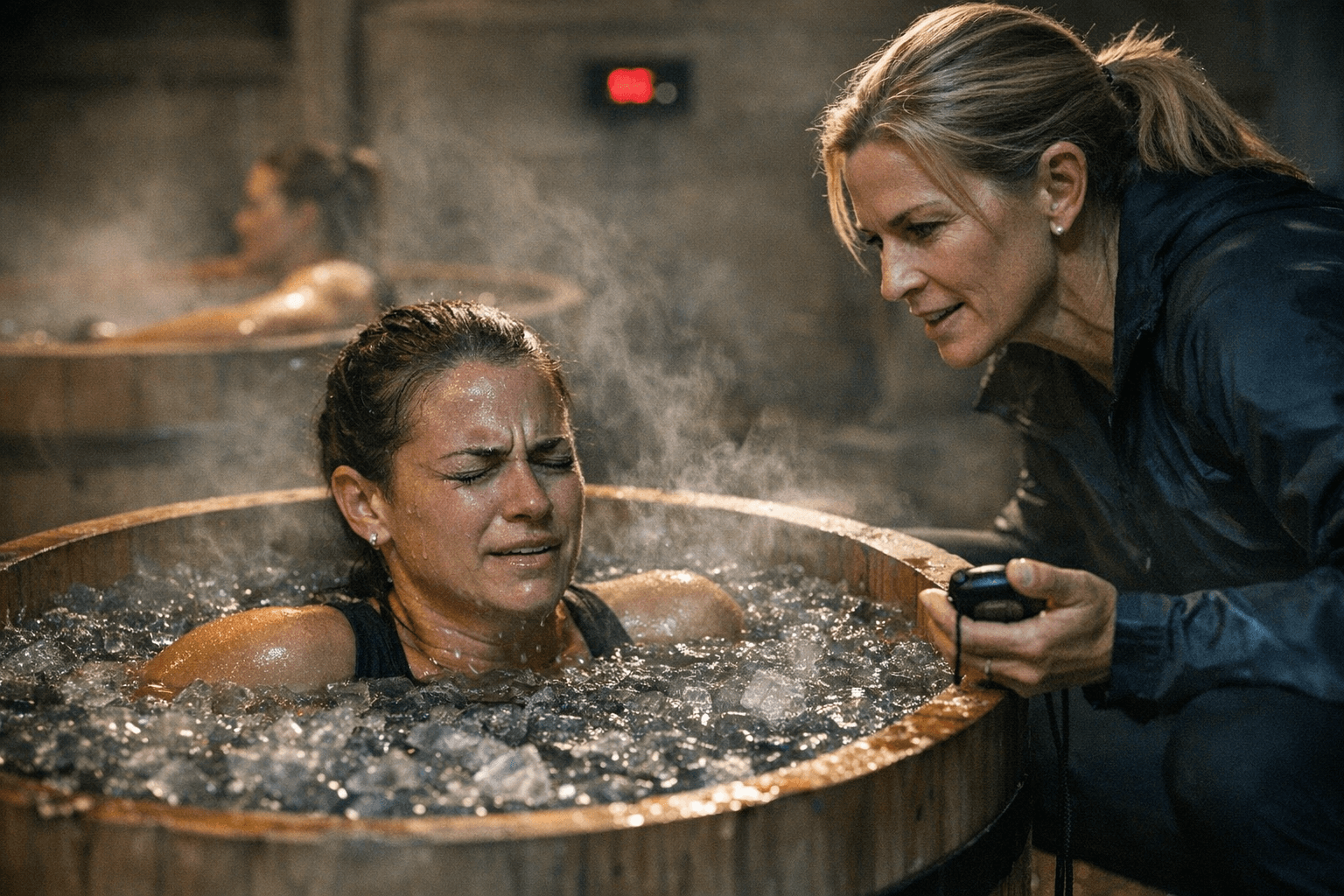
When it comes to usable protocols, Sims gives concrete ranges: "cold water immersion is exposure up to the shoulders or neck to water between 32 and 59 degrees F (0 to 15 degrees C). Immersion times range from 2 x 30 seconds with 2 minutes between at the lowest temperatures; to 6 x 3 minutes at 59 degrees F/15 degrees C." She reiterates the take-home rule of thumb for practitioners and athletes: "women do not need as cold a plunge as men. Women start shivering at a higher temperature than men, are more sensitive to cold exposure, and feel colder and less comfortable than men during the same cooling protocol."
Sims warns that "The research into specific protocols is still sparse" and directs practitioners to her teaching: "View all research links and more in my microlearning course specifically on using heat and cold for health and performance." Social responses captured alongside her posts show coaches and clinicians engaging, with one commenter writing, "Thank you, a very helpful post indeed, I will dig in the research," and another noting, "Recognizing these nuances is crucial to improving overall wellness. Love this Stacy, your course has offered significant value in my career and coaching." Graphics accompanying her posts are credited to Yonca Yucemen and Charlotte Crisp.
Sims' prescriptions are pragmatic and measurable: aim toward cooler mid-teens Celsius for positive adaptations, scale exposure duration to temperature with short repeated bouts at the coldest end and longer bouts at around 15°C/59°F, and factor menstrual cycle and contraceptive status into planning. She frames these as examples rather than settled rules, leaving a clear agenda for follow-up research and for practitioners to tailor cold-plunge work to female physiology.
Know something we missed? Have a correction or additional information?
Submit a Tip