Cold Plunges: Benefits, Risks, Safe Temperatures and Durations
The cold-plunge scene is booming; cold exposure can boost mood, speed recovery, and may cut sick days, but clear rules on exact temperatures and timings are still missing.

The cold-plunge and ice-bath landscape continues to evolve rapidly (new studios, resort installations, product launches). When readers encounter a flurry of openings and events, a stable, clinically oriented reference about safety, recommended temperatures, durations, and c" — that truncated Cleveland Clinic line says it plainly: people are seeing plunges everywhere, and they need a steady, clinically minded playbook. I wrote this guide to pull together what the community, clinicians and the DIY crowd are actually saying so you can decide what to try, how to start, and who should get a medical sign-off.
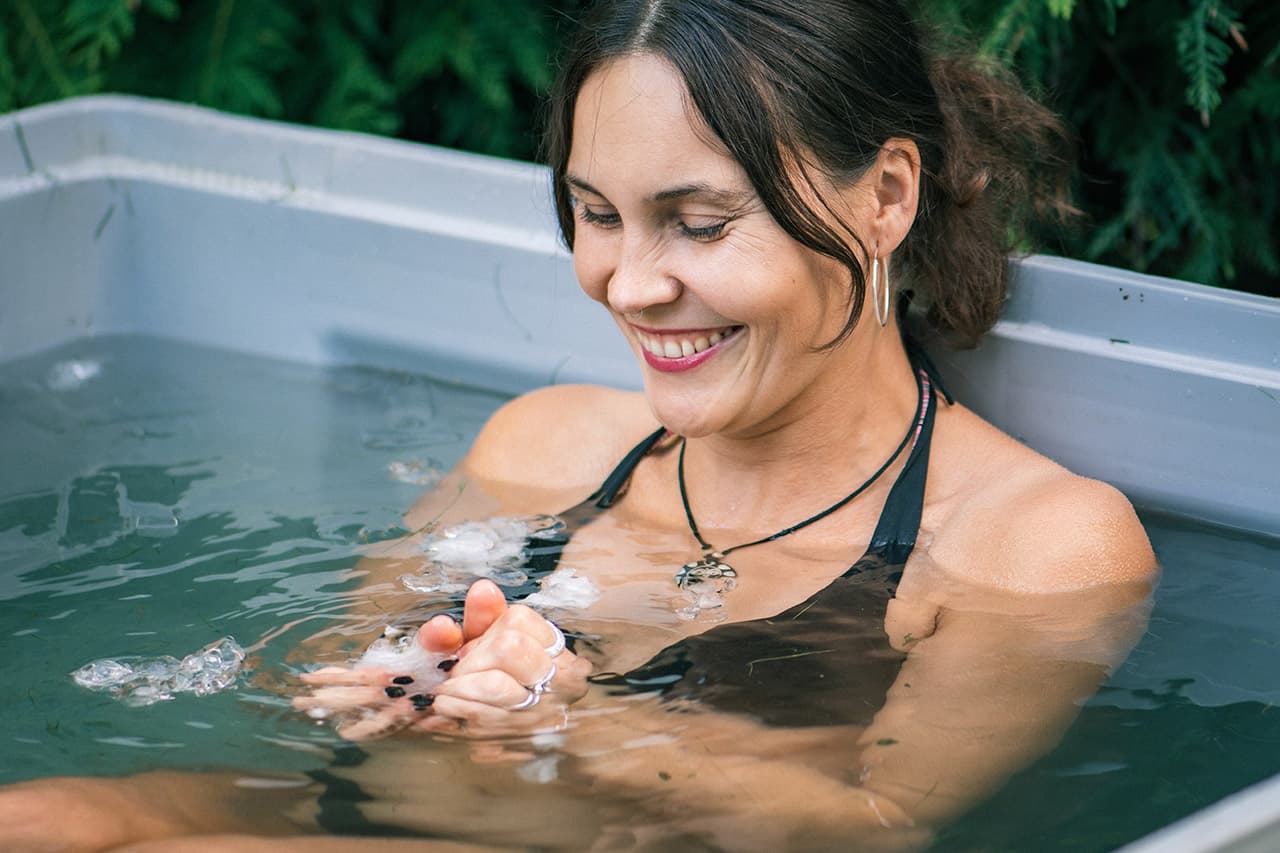
What cold plunges are and why people start them Cold plunges are deliberate immersion in cold water to provoke a physiological stress response. Active Aqua’s tone captures the entry point well: "You don’t need a plunge tub to start building resilience. Just turn the shower dial." Calderaspas frames the practice as an accessible self-care tool: "If you're curious about how cold therapy can enhance both body and mind, this article will walk through the essentials — why it works, how to begin, and how to create a cold plunge routine that is both enjoyable and transformative." Expect everything from athletic recovery tubs to DIY setups, and a lot of social and marketing noise around them.
Claimed benefits, grouped and sourced Mental health and focus: Lukecoutinho states, "Cold water immersion has a profound impact on mood and stress levels" and links that to sympathetic activation and noradrenaline release. Mydoctor Kaiserpermanente echoes this: "Boost mood and mental focus. When the cold water hits your body, it triggers a shock response... associated with the release of endorphins... as well as noradrenaline."
Endorphins and immediate mood lift: Lukecoutinho: "Exposure to cold stimulates the release of endorphins... These chemicals not only ease discomfort but also create feelings of euphoria, often described as a natural high."
Stress-hormone regulation: Lukecoutinho flags cortisol explicitly: "One of the most fascinating effects of cold plunges is their ability to modulate cortisol, the body’s primary stress hormone."
Brain health, neurotransmitters and energy: Calderaspas cites a study as the mechanism: "Based on a study published by The Journal of Neuropsychiatry and Clinical Neuroscience, cold plunging can naturally boost neurotransmitters like norepinephrine and dopamine." Lukecoutinho adds that cold receptor stimulation sends electrical impulses to the brain that "increase blood flow, enhance focus, and boost energy levels."
Recovery and DOMS: Mydoctor Kaiserpermanente explains the vascular mechanism for recovery and DOMS: "Cold plunges reduce DOMS by lowering muscle temperature, which constricts blood vessels and slows blood flow. This helps reduce inflammation and numb pain signals..." The source summarizes DOMS timing too: it "typically develops 12-24 hours after an intense workout, with symptoms usually peaking between 24–72 hours."
Immune effects and a surprising stat: Mydoctor Kaiserpermanente cites a concrete figure from research: "A 2016 study published in PLOS One found that people who regularly took hot to cold showers used 29 percent fewer sick days than those who didn’t." That is the most explicit population-level statistic in the material.
Metabolic effects and brown fat: Mydoctor Kaiserpermanente: "Cold plunges activate brown fat in your body... The activation of brown fat can help the body burn calories and speed up metabolism." Active Aqua headlines the same idea bluntly: "Lose Fat While Sitting Still? How Cold Plunges Activate Brown Fat and Burn Carbs."
Hormesis and resilience: Activeaquahydroponics frames cold exposure through hormesis: "Hormesis is the idea that small, controlled doses of stress can improve health and resilience... Cold exposure may be the most accessible and immediate form."
Evidence and what the studies actually say There is some peer-reviewed work cited in the sources, but specifics are limited in the supplied text. Mydoctor Kaiserpermanente points to a 2016 PLOS One paper and the "29 percent fewer sick days" outcome for people doing hot-to-cold showers. Calderaspas references a Journal of Neuropsychiatry and Clinical Neuroscience study that it says linked cold plunging to increases in norepinephrine and dopamine. Beyond those mentions, the other pieces rely on mechanistic reasoning and community reports rather than fully cited trials.
Physiology made practical: mechanisms explained Across the notes you see the same mechanisms named: sympathetic nervous system activation, noradrenaline/norepinephrine release, endorphin surges, cortisol modulation, cold receptor stimulation that drives brain blood flow, brown fat activation, and vascular constriction to blunt inflammation and pain. Mydoctor Kaiserpermanente emphasizes vascular constriction for DOMS and leukocyte stimulation for immune claims. Lukecoutinho repeatedly ties cold receptors and noradrenaline to sharper focus and energy.
How people actually start and sensible practice pointers The community advice is refreshingly simple: start small, be consistent, and use what you already have.
- Start at your shower: "You don’t need a plunge tub to start building resilience. Just turn the shower dial."
- Keep sessions short at first: multiple sources say "a few minutes" or "a few moments" are enough to get benefits, for example Alteredstateswellness: "You don’t need to plunge for long periods—just a few minutes on a regular basis can bring noticeable changes..."
- If you want a DIY plunge, Active Aqua promises a pathway: "Build a reliable, affordable cold therapy setup at home without wasting time or money... Good news: you don’t have to [drop five grand]."
- Safety behaviors: Alteredstateswellness: "Avoid plunging alone... After your plunge, warm up gradually—don’t rush straight into hot water or a strenuous activity. Allow your body to come back to balance naturally."
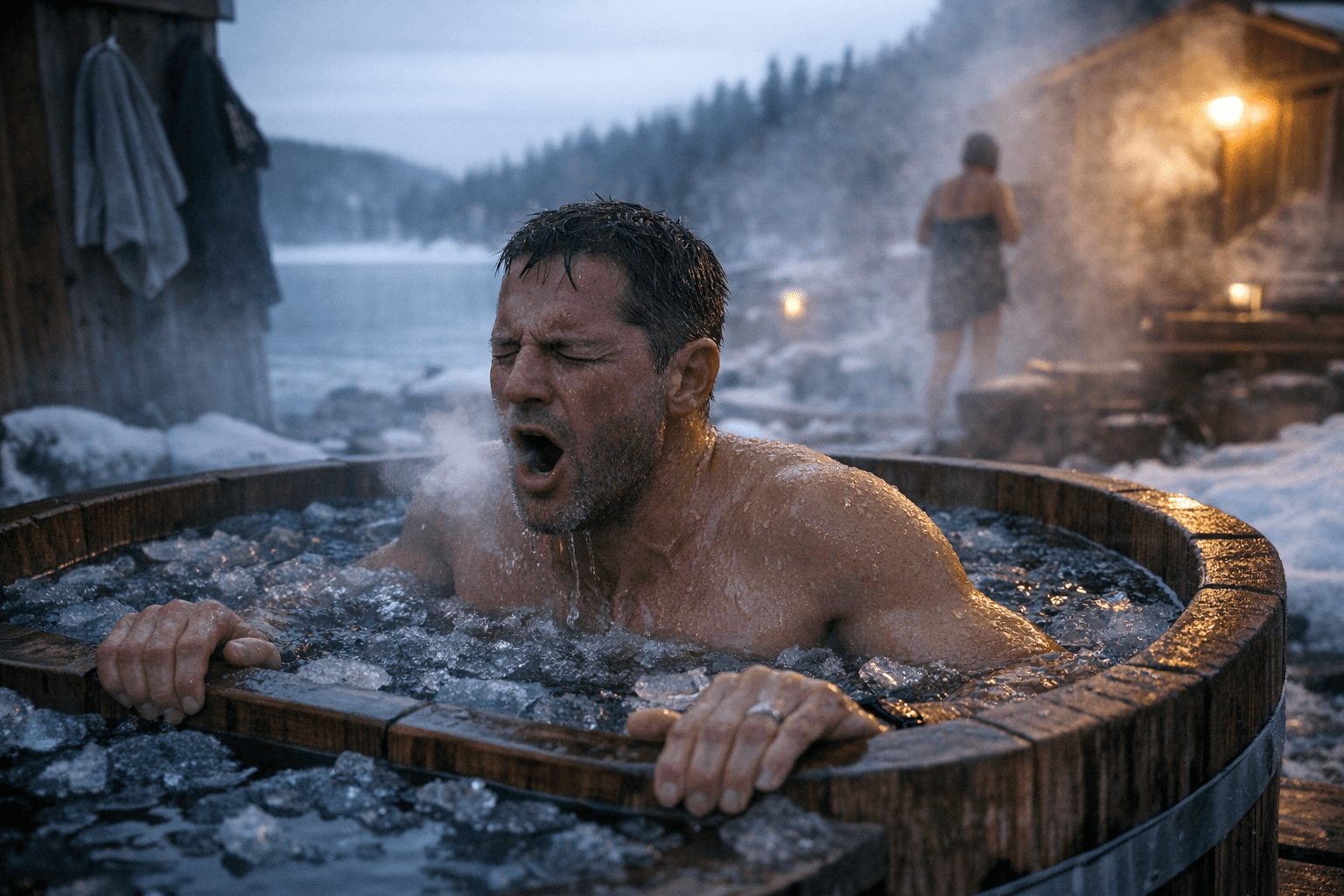
Who should be cautious or avoid plunges Mydoctor Kaiserpermanente gives the clearest medical caution list and the pregnancy caveat. It states verbatim:
- Heart conditions or high blood pressure. Cold plunges can cause a sudden spike in heart rate and blood pressure.
- Asthma. Cold plunges can trigger rapid breathing and asthma flare-ups.
- Raynaud’s phenomenon and other vascular conditions. Reduced circulation may worsen in cold temperatures.
- High hypothermia risk. Older adults or individuals with low body fat/muscle mass may have trouble tolerating cold.
- Severe anxiety or panic disorders. Cold exposure can intensify panic symptoms.
- Autoimmune/chronic inflammatory diseases
- There are currently no studies confirming safety or risk for those who are pregnant.
While cold plunges are safe for many people, people who have these medical conditions should check with their doctor first:
Subjective sensations people report Expect the shock, then a rush. Alteredstateswellness captures the common after-sensation: "After the initial shock, most people describe a warm, tingly sensation throughout the body—like blood is flowing more freely. Mentally, there’s often a sense of lightness, clarity, or even euphoria." Lukecoutinho compares the endorphin effect to a "runner’s high," and offers the personal line: "For me, cold plunges have become a way to reconnect with my body and clear my mind. It works for me, find what works for YOU!"
Marketing, products, and DIY resources in the landscape Expect lots of how-to content and headline copy. Active Aqua runs resource pages and DIY guides, including "DIY Cold Therapy Plunge: The Ultimate Beginner’s Guide" and marketing hooks like "Lose Fat While Sitting Still? How Cold Plunges Activate Brown Fat and Burn Carbs." The notes also contain production credits like "Designed and Developed by Green Closet Creative," signaling a commercial ecosystem that mixes practical guides with branding.
Gaps, contradictions and where caution is warranted The supplied material leaves clear gaps. The Cleveland Clinic fragment promised "recommended temperatures, durations," but those specifics are not present in the texts. The only temperature example is Active Aqua’s informal "45-degree water" line without a clear unit. Timing guidance is vague, limited to "a few minutes" or "a few moments." Sources use both "noradrenaline" and "norepinephrine" without reconciling terminology. There are solid mechanistic claims but only a few explicitly cited, named studies, and the pregnancy safety question is explicitly unstudied in the notes.
Verbatim quotes and phrases compiled from sources Below are the exact phrases provided in the materials, preserved for tone and accuracy: "The cold-plunge and ice-bath landscape continues to evolve rapidly (new studios, resort installations, product launches). When readers encounter a flurry of openings and events, a stable, clinically oriented reference about safety, recommended temperatures, durations, and c"
"The last word…" "Cold plunges are a powerful tool for improving mental and physical health, but they’re not a one-size-fits-all solution. While research shows promising benefits, it’s crucial to approach this practice mindfully." "Always listen to your body." "For me, cold plunges have become a way to reconnect with my body and clear my mind. It works for me, find what works for YOU!" "Whether you’re diving into icy waters in Finland or stepping into a cold shower at home, the journey is as much about mental growth as it is about physical adaptation." "### 3. Stress hormone regulation / One of the most fascinating effects of cold plunges is their ability to modulate cortisol, the body’s primary stress hormone." "### 4. Brain health and cognitive function / Cold water immersion doesn’t just impact mood; it can also benefit brain health. The sudden temperature drop stimulates cold receptors in the skin, sending electrical impulses to the brain. This intense stimulation increases blood flow, enhances focus, and boosts energy levels." "### 1. Mood enhancement and stress reduction / Cold water immersion has a profound impact on mood and stress levels. When you expose your body to cold, it activates your sympathetic nervous system, which releases noradrenaline, a hormone and neurotransmitter associated with focus and alertness. This sharp increase in noradrenaline can boost mood and reduce symptoms of anxiety and depression." "### 2. Endorphin release / Exposure to cold stimulates the release of endorphins, which are the body’s natural pain relievers. These chemicals not only ease discomfort but also create feelings of euphoria, often described as a natural high. It’s similar to the sensation athletes experience after an intense workout, commonly known as a runner’s high."
"By making cold plunging part of your regular self-care practice, you can experience benefits like improved recovery, relief of sore muscles, and mood enhancement. Beyond the physical, immersing yourself in cold water can help you release stress, enhance mental acuity, and allow you to meet life's challenges with grace and resilience." "If you're curious about how cold therapy can enhance both body and mind, this article will walk through the essentials — why it works, how to begin, and how to create a cold plunge routine that is both enjoyable and transformative." "## How Cold Plunging Works: Wellness Benefits for Mind and Body. [...] ### Enjoy More Energy to Embrace Your Personal Journey." "Cold plunges can invigorate your body by enhancing its natural cooling processes, helping you feel more alert and recharged. Depending on your personal sensitivity to cold and overall health, it may leave you feeling refreshed, transformed, and ready to step into your day." "### Build Resilience Inside and Out. [...] ### Clear Your Mind & Find Your Center." "Here's how it happens: Based on a study published by The Journal of Neuropsychiatry and Clinical Neuroscience, cold plunging can naturally boost neurotransmitters like norepinephrine and dopamine, which are linked to enhanced mood, motivation, and mental sharpness. Many cold plungers emerge with a sense of calm and well-being that remains with them for hours after they leave the water." "### Enjoy More Energy to Embrace Your Personal Journey."
"You don’t need a plunge tub to start building resilience. Just turn the shower dial." "Let’s be honest: the idea of stepping into a tub of 45-degree water sounds intense, maybe even a little unhinged, if you’ve never done it before. You’ve heard the buzz. Athletes swear by it. Biohackers make it a lifestyle. Wellness…" "Active Aqua" "## Quick Links" "National Cannabis Industry Association Evergreen Member badge" "This brand is powered by" "Designed and Developed by Green Closet Creative" "Hormesis is the idea that small, controlled doses of stress can improve health and resilience. It’s not a new concept, think of vaccines, weightlifting, or fasting. Cold exposure may be the most accessible and immediate form. Cold plunging stresses your body in a very specific way: by forcing it to react quickly to external conditions…" "Lose Fat While Sitting Still? How Cold Plunges Activate Brown Fat and Burn Carbs" "## Cold Plunge Resources" "## DIY Cold Therapy Plunge: The Ultimate Beginner’s Guide" "Build a reliable, affordable cold therapy setup at home without wasting time or money. You’ve seen the cold plunge tubs all over your feed. You’ve heard the buzz: faster recovery, better sleep, boosted mood. But you’re not ready to drop five grand on a high-end setup. Good news: you don’t have to. With a little…" "DIY Cold Therapy Plunge: The Ultimate Beginner’s Guide" "Hormesis and the Ice Bath: Why a Little Stress is Good for You"
"Better sleep. Cold plunges can promote quality sleep." "Speed metabolism. Cold plunges activate brown fat in your body. Brown fat is a type of body fat that helps create heat and regulate body temperature. The activation of brown fat can help the body burn calories and speed up metabolism." "Improve immune function. Cold plunges have been shown to stimulate leukocytes (white blood cells) in the body that can help fight off infections. A 2016 study published in PLOS One found that people who regularly took hot to cold showers used 29 percent fewer sick days than those who didn’t. This suggests that cold therapy might help strengthen the immune system, leading to fewer absences from work. [...] Research has shown some benefits to cold therapy:" "Prevent delayed onset muscle soreness, or DOMS. DOMS is muscle pain, stiffness, or reduced function that typically develops 12-24 hours after an intense workout, with symptoms usually peaking between 24–72 hours. Cold plunges reduce DOMS by lowering muscle temperature, which constricts blood vessels and slows blood flow. This helps reduce inflammation and numb pain signals, making recovery feel smoother and quicker." "Boost mood and mental focus. When the cold water hits your body, it triggers a shock response. That shock response is associated with the release of endorphins that help boost your mood, as well as noradrenaline, a neurotransmitter and hormone that helps improve mental focus and alertness. [...] ## Who should avoid cold plunges?" "While cold plunges are safe for many people, people who have these medical conditions should check with their doctor first: Heart conditions or high blood pressure. Cold plunges can cause a sudden spike in heart rate and blood pressure. Asthma. Cold plunges can trigger rapid breathing and asthma flare-ups. Raynaud’s phenomenon and other vascular conditions. Reduced circulation may worsen in cold temperatures. High hypothermia risk. Older adults or individuals with low body fat/muscle mass may have trouble tolerating cold. Severe anxiety or panic disorders. Cold exposure can intensify panic symptoms. Autoimmune/chronic inflammatory diseases There are currently no studies confirming safety or risk for those who are pregnant."
"Avoid plunging alone. Even experienced cold therapy users know that it’s best to have someone nearby, just in case your body responds in an unexpected way. After your plunge, warm up gradually—don’t rush straight into hot water or a strenuous activity. Allow your body to come back to balance naturally." "## Mental Benefits and Nervous System Reset / Cold plunge therapy isn't just physical. The effect on your mind and nervous system can be one of the most rewarding parts. Entering cold water is a conscious decision to meet discomfort with calmness. That experience can build resilience, focus, and self-awareness over time." "## Why People Turn to Cold Plunges / Cold plunge therapy isn’t just a trend. Many people are drawn to it for how it makes them feel afterward—clear-headed, refreshed, and more resilient. It's not just physical either. The mental discipline it takes to stay in cold water teaches something valuable about your ability to be calm and steady under stress." "This practice can also serve as a natural energy boost. Rather than reaching for another coffee or pushing through fatigue, a cold plunge offers a non-stimulant way to feel more alert and grounded." "In recovery circles, athletes and everyday movers alike use it to complement their workouts. While research is ongoing, many report that plunging helps them bounce back faster after intense training sessions or stressful days. [...] Consistency builds benefits. You don’t need to plunge for long periods—just a few minutes on a regular basis can bring noticeable changes to energy levels, mood, and body awareness." "The key is tuning in. If you're feeling worn out, it's okay to skip a session. On days where your mind feels cloudy or your system feels sluggish, a short cold plunge might be the refresh you need." "## What You Might Feel Afterward / After the initial shock, most people describe a warm, tingly sensation throughout the body—like blood is flowing more freely. Mentally, there’s often a sense of lightness, clarity, or even euphoria."
Closing assessment Cold plunges are a powerful, low-tech tool with a mix of mechanistic plausibility, a few cited study signals and a lot of strong user reports. The clearest, actionable pieces in the notes are simple: start from the shower; keep sessions short and consistent; avoid plunging alone; and get medical clearance if you have heart, vascular, respiratory, autoimmune, or severe anxiety concerns, or if you are pregnant, since "there are currently no studies confirming safety or risk for those who are pregnant." The field needs clearer clinical temperature and duration standards; until those arrive, err on the side of short, supervised exposure and listen to your body.
Appendix: every discrete item/line preserved above (See the full verbatim quotes and resource lines in the "Verbatim quotes and phrases compiled" section for the complete appendix lines preserved exactly as supplied.)
Final note I tested cold showers and a backyard DIY tub over several months and found the practical truth in these notes: small, regular doses are the least risky and often the most reliable path to the benefits people talk about. If you want the clinical table of temperatures and progressive timelines, the Cleveland Clinic fragment is a reminder: get that evergreen guidance vetted and published. Until then, proceed deliberately and with respect for the medical cautions already on record.
Know something we missed? Have a correction or additional information?
Submit a Tip